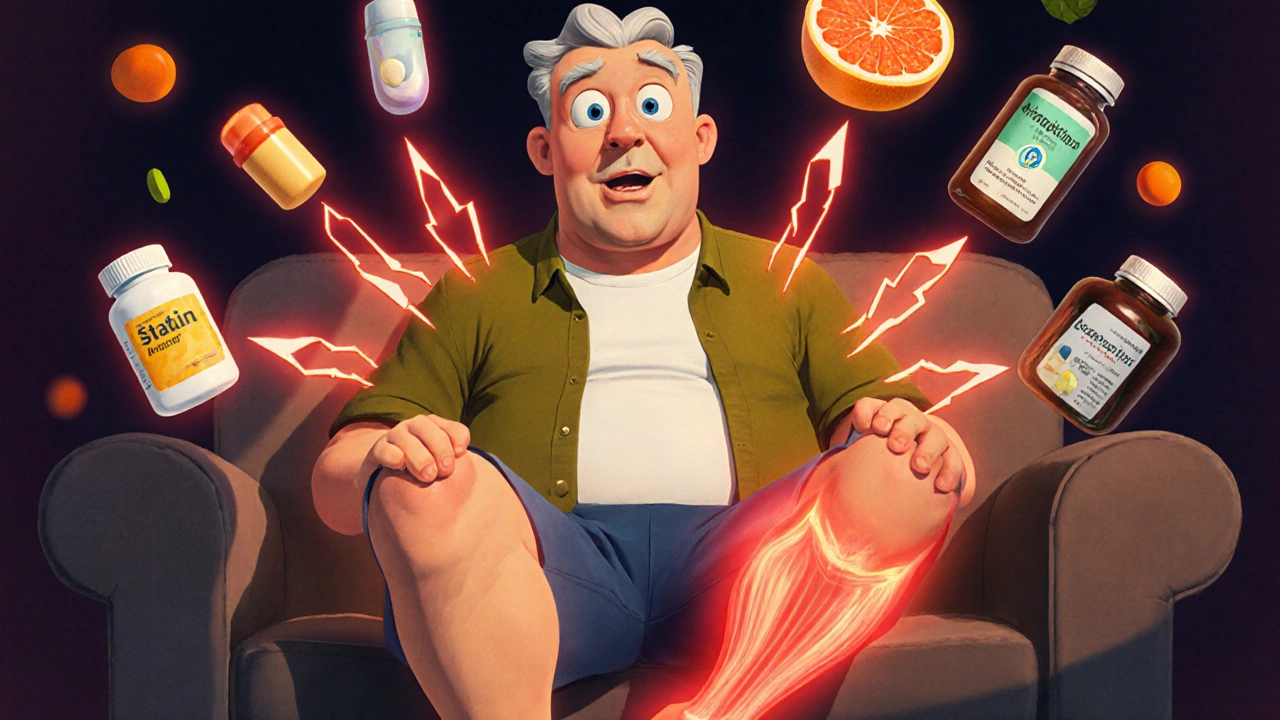
Drug Interactions: What You Need to Know Before Taking Multiple Medications
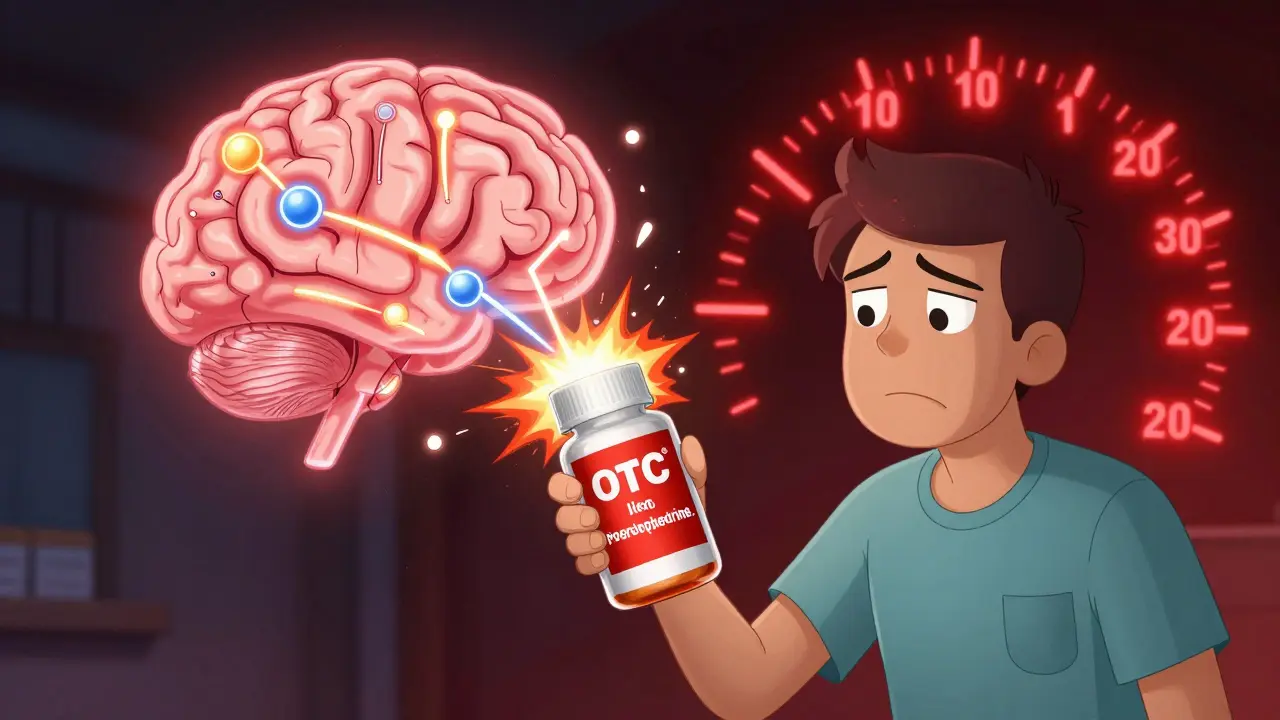
When you take more than one medication, drug interactions, happen when two or more drugs affect each other’s behavior in your body, changing how they work or increasing side effects. Also known as medication conflicts, they’re not rare—they’re one of the top reasons people end up in the ER. You might be taking a blood pressure pill, a painkiller, and a supplement, thinking they’re harmless together. But that’s not always true. Some combinations can lower your blood pressure too much, wreck your kidneys, or make you dizzy enough to fall. Others might cancel each other out, leaving your condition untreated.
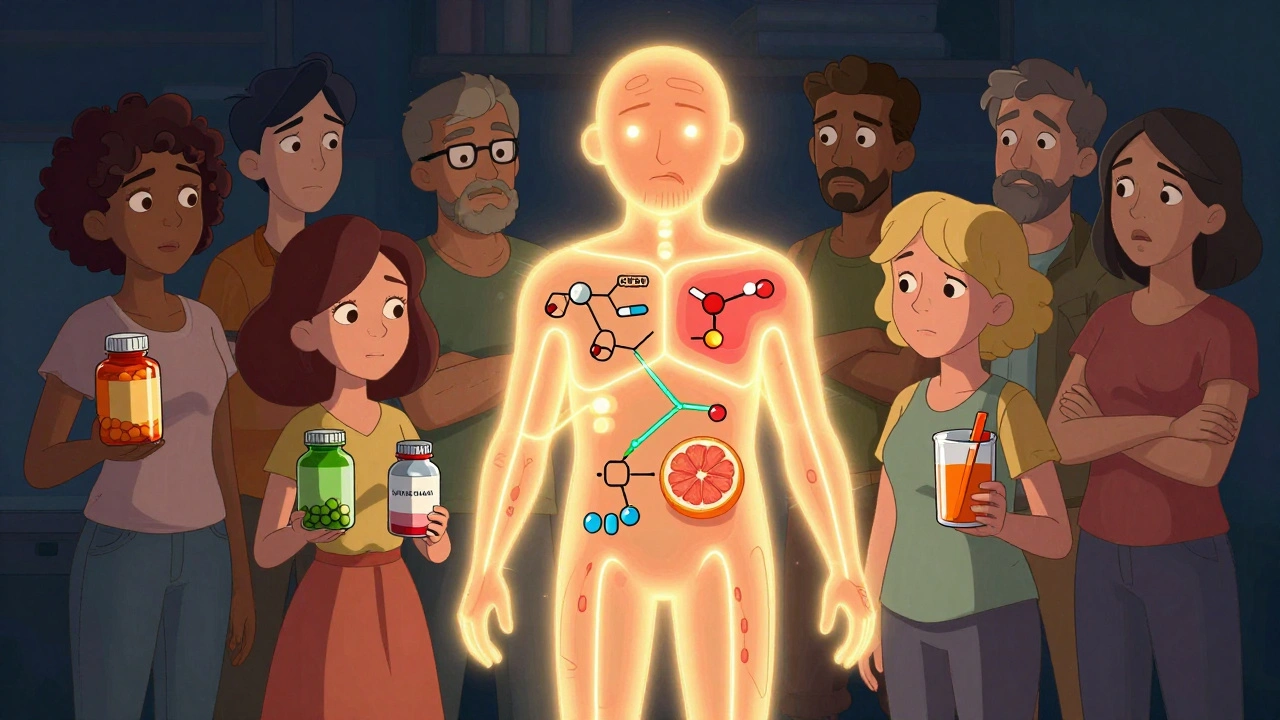
Take diabetes medications, drugs like metformin or SGLT2 inhibitors that control blood sugar. Glucose management complications can happen if you mix them with certain antibiotics or NSAIDs. Or consider bisphosphonates, used for osteoporosis. Calcium supplements can block their absorption if you take them at the same time. Even something as simple as grapefruit juice can mess with statins, antidepressants, or blood pressure drugs. These aren’t theoretical risks—they show up in real people every day.
It’s not just about pills. Over-the-counter meds, herbal supplements, and even foods can trigger reactions. St. John’s Wort can make birth control fail. Antidepressants like selegiline can cause dangerous spikes in blood pressure if you eat aged cheese or drink wine. Swelling from meds? That’s drug-induced edema, a side effect tied to certain blood pressure drugs, NSAIDs, or diabetes pills. Swollen ankles from meds might seem minor, but it can signal heart or kidney trouble. And if you’re splitting pills to save money, you might be changing the dose without knowing it—some tablets aren’t meant to be split at all.
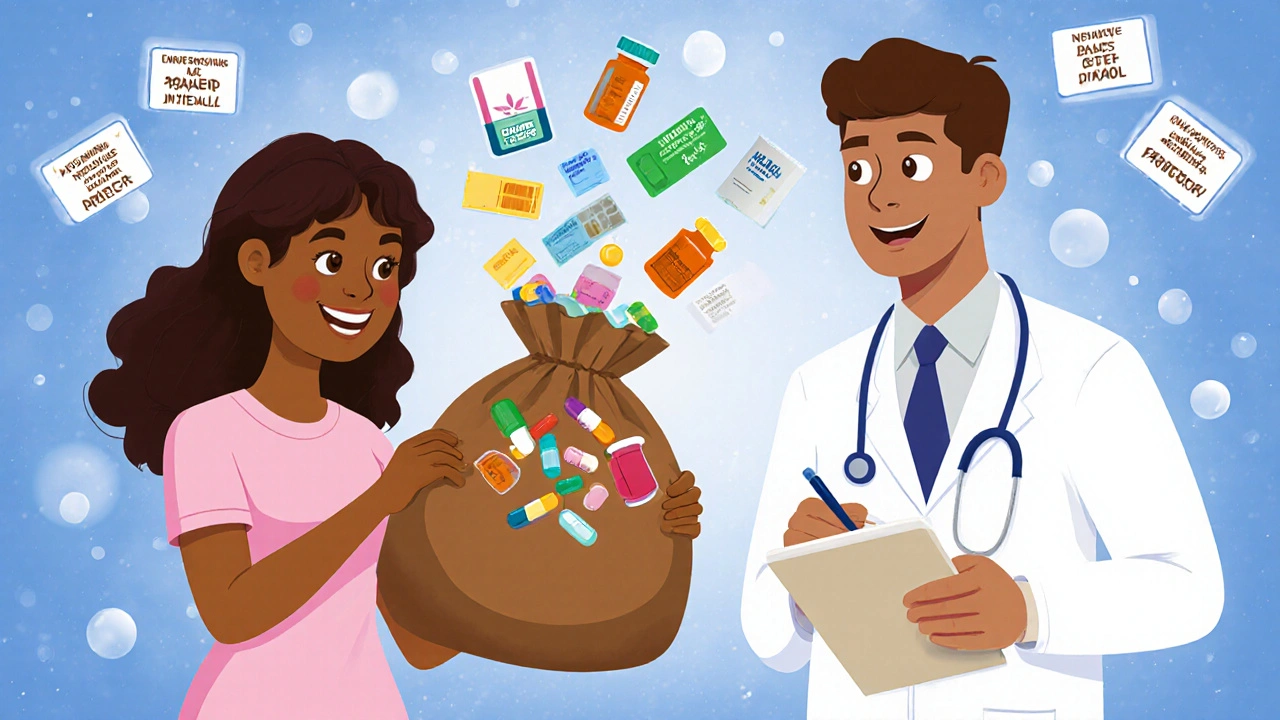
These problems don’t happen because you’re careless. They happen because the system is messy. Doctors prescribe based on one condition. Pharmacies fill each script separately. You’re left to piece it together. That’s why knowing the basics of drug interactions matters more than ever. You don’t need to memorize every possible combo. But you do need to ask: "Could this new pill clash with what I’m already taking?" Keep a list of everything you use—including vitamins, teas, and CBD. Bring it to every appointment. Check with your pharmacist before starting anything new. Small steps like this stop big problems before they start.
Below, you’ll find real guides on how specific medications behave when mixed—with clear examples, warning signs, and practical fixes. From how antidepressants mess with sleep to why calcium and osteoporosis drugs fight each other, these posts cut through the noise. No fluff. Just what you need to stay safe and in control.