Polypharmacy: When Too Many Medications Become a Risk
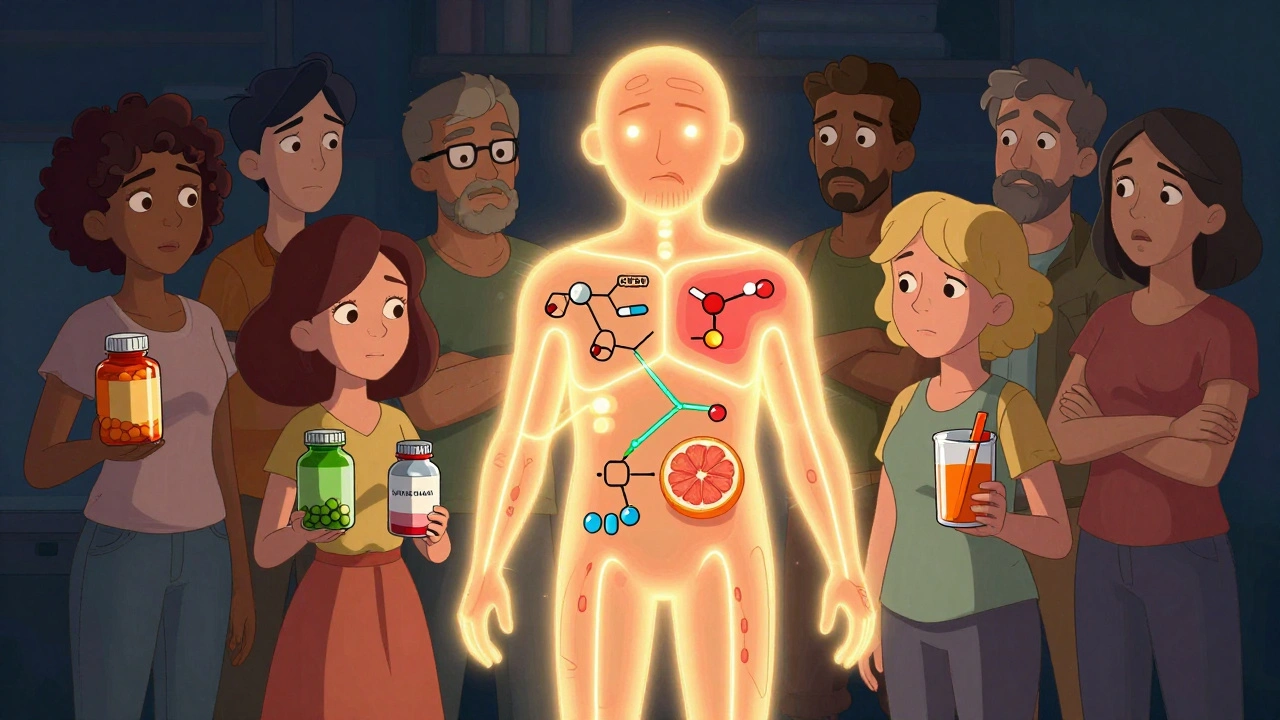
When someone takes polypharmacy, the use of multiple medications at the same time, often five or more. Also known as multiple drug therapy, it’s not always a mistake—but it’s rarely harmless. It happens to older adults managing diabetes, high blood pressure, arthritis, and depression all at once. It happens to people who see different doctors who don’t talk to each other. And it happens when patients keep old prescriptions "just in case." The problem isn’t the number of pills—it’s the hidden clashes between them.
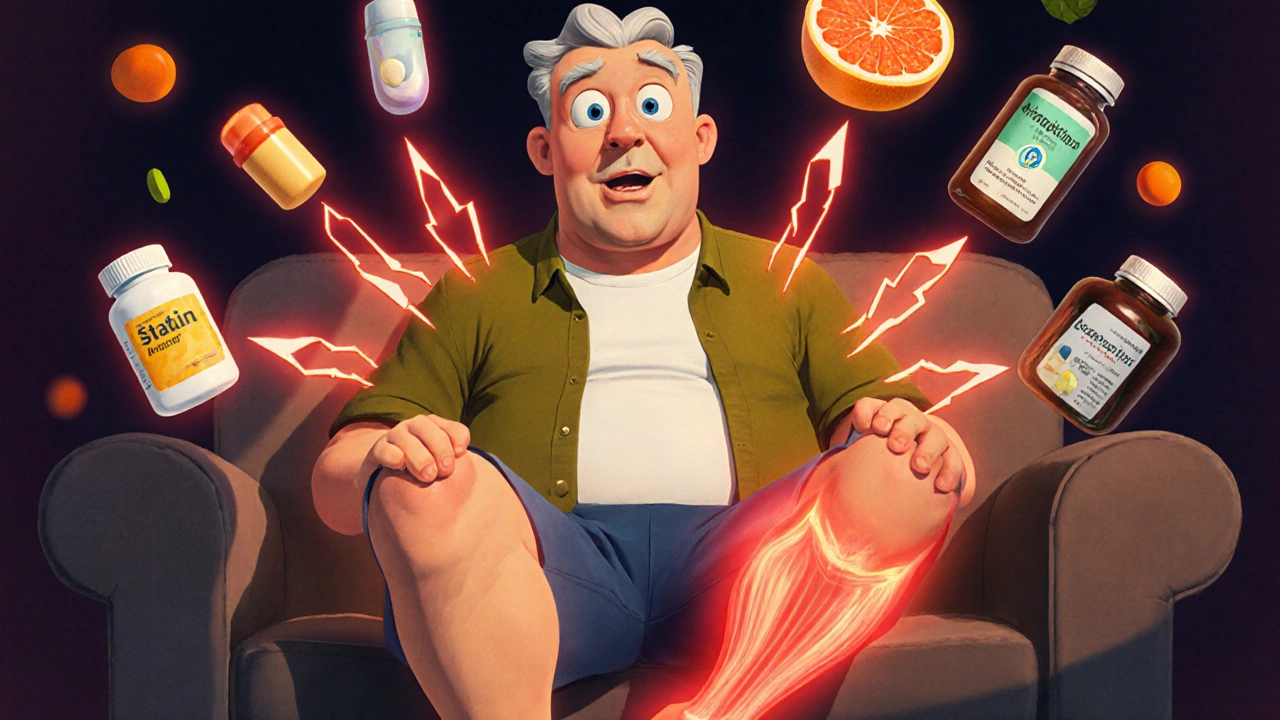
Take medication interactions, when two or more drugs react in ways that change their effects. For example, a blood thinner like warfarin and an NSAID like ibuprofen can turn a minor bruise into a dangerous bleed. Or imagine someone on a beta-blocker for heart health taking another drug that slows their heart even more—until they feel dizzy all day. These aren’t rare accidents. They’re common side effects of uncoordinated care. And they show up in places you wouldn’t expect: swollen ankles from blood pressure meds, confusion from sleeping pills mixed with antidepressants, or kidneys struggling under the weight of too many drugs.
elderly medication use, a major driver of polypharmacy, involves complex health needs and changing body chemistry. As we age, our liver and kidneys don’t clear drugs the same way. A dose that was fine at 50 can become toxic at 75. Yet many older patients keep taking the same pills they’ve used for years—even when their condition improved or disappeared. And it’s not just seniors. People with chronic pain, mental health issues, or multiple conditions often end up on long lists of prescriptions without ever asking if they still all make sense.
The real danger isn’t the pills themselves—it’s the silence around them. No one asks, "Why are you taking all these?" No one checks if one drug cancels out another. No one looks at the full list together. That’s why you’ll find posts here about how bisphosphonates fight calcium, how antidepressants wreck sleep, and how edema from one drug hides a bigger problem. These aren’t random stories. They’re warning signs. You’ll see how metformin, SGLT2 inhibitors, and beta-blockers can all play parts in the same dangerous puzzle. You’ll learn what happens when you split pills that shouldn’t be split, or mix supplements with prescriptions without knowing the risks.
This collection doesn’t just list side effects—it shows you how the pieces connect. Whether you’re managing your own meds, helping a parent, or just trying to understand why you feel off after adding a new pill, the answers are here. You’ll find real examples, clear comparisons, and practical steps to ask the right questions before the next prescription comes.