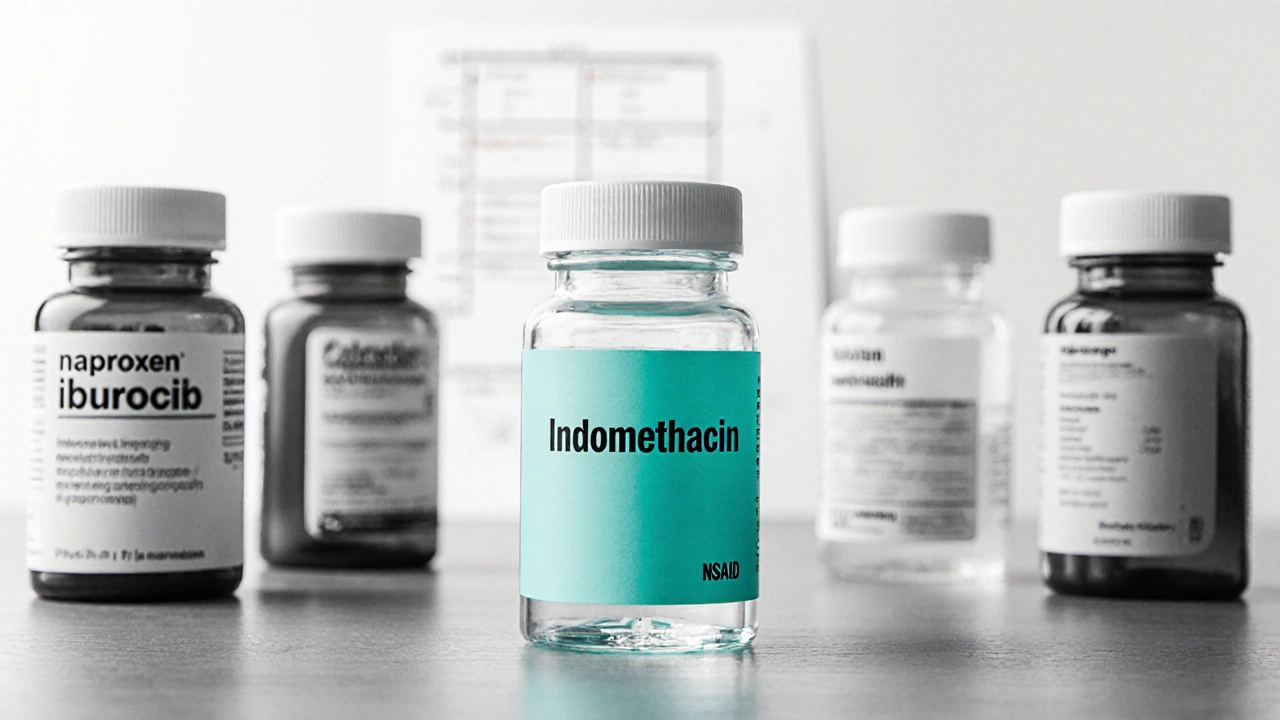
NSAID Alternatives – Safer Pain Relief Options Explained
When looking for NSAID alternatives, pain‑relief options that are not classified as non‑steroidal anti‑inflammatory drugs. Also known as non‑NSAID analgesics, they help manage pain while sidestepping common NSAID side effects like stomach irritation and increased bleeding risk. People often wonder if they have to give up effective relief entirely. The short answer: no. You can still tackle headaches, muscle aches, and joint discomfort by choosing agents that work through different pathways.
Acetaminophen, an over‑the‑counter pain reliever and fever reducer that acts centrally rather than on inflammation is the go‑to NSAID alternative for many. It blocks COX enzymes in the brain, which lowers pain signals without the gastric upset seen with ibuprofen or naproxen. The key attribute here is liver safety – you must respect the daily dose limit, especially if you drink alcohol or have liver disease. When used correctly, acetaminophen delivers comparable headache relief and fever control, making it a solid foundation in a non‑NSAID toolkit.
Another major player is topical analgesics, creams, gels, and patches applied directly to the skin to relieve localized pain. These products often contain ingredients like menthol, capsaicin, or diclofenac (a topical NSAID, but with minimal systemic absorption). The advantage is focused action: you get relief where you need it without affecting the whole body. This is especially useful for osteoarthritis of the knee or elbow, where systemic NSAIDs could pose a higher cardiovascular risk. Topicals also avoid the liver considerations that come with acetaminophen.
Understanding the why behind NSAID alternatives helps you match the right option to your situation. NSAID alternatives encompass a range of mechanisms, from central enzyme inhibition to peripheral nerve desensitization. Choosing one often requires knowledge of your own health profile – are you prone to stomach ulcers, do you have liver concerns, or are you on blood thinners? Each factor guides the decision. For example, a patient on anticoagulants may favor acetaminophen or a topical gel over oral NSAIDs, reducing bleeding risk while still managing pain.
When you dive into specific conditions, the landscape becomes clearer. Chronic back pain may respond well to a combined strategy: acetaminophen for baseline relief, supplemented by a menthol patch for flare‑ups. Migraine sufferers sometimes use a high‑dose acetaminophen regimen early in the attack, which can abort the headache without resorting to triptans or NSAIDs. Inflammatory joint pain, though, might still need a prescription‑strength topical diclofenac or a short‑term NSAID course, but the overall exposure stays low.
It’s also worth noting that some prescription drugs often labeled as NSAIDs have safer alternatives within the same class. Celecoxib, for instance, is a COX‑2 selective NSAID that claims fewer stomach issues but still carries cardiovascular warnings. For patients worried about those risks, a switch to acetaminophen or a topical opioid‑free option can be a pragmatic move. The goal isn’t to eliminate pain relief but to tailor it so the treatment fits your health picture.
Below you’ll find a curated collection of articles that dig deeper into each of these alternatives. From detailed dosing guides for acetaminophen to side‑effect profiles of popular topical gels, the posts give you actionable insight you can apply right away. Explore the list to find the exact tool you need for your pain‑management plan.