Inactive Ingredients: What They Are and Why They Matter in Your Medications
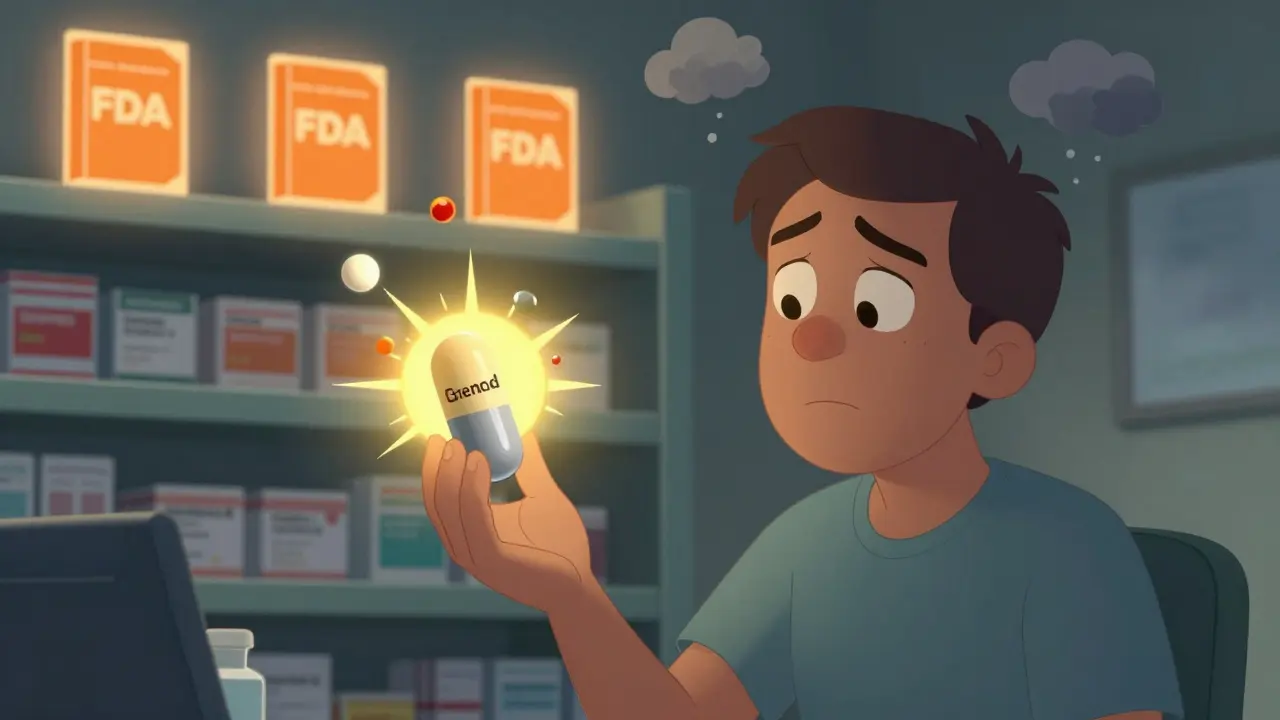
When you take a pill, most of it isn’t the medicine you’re after. inactive ingredients, substances in medications that don’t treat your condition but help the drug work properly. Also known as excipients, they hold the pill together, help it dissolve at the right time, or make it easier to swallow. These aren’t just filler—they’re critical to how your drug behaves in your body. But here’s the catch: if you’re allergic to lactose, gluten, or dye, those harmless-looking ingredients could be making you sick without you even knowing it.
Think about it: your inactive ingredients are the reason some pills dissolve fast and others last all day. They’re why a tablet doesn’t crumble in your pocket or why a liquid medicine doesn’t grow mold. But they also explain why two pills with the same active drug can cause different side effects. One might have a coating that irritates your stomach. Another might use a dye linked to hyperactivity in kids. Even your gut bacteria can react to certain fillers like cornstarch or cellulose, changing how well the medicine gets absorbed. And if you’re taking multiple drugs, those hidden ingredients can pile up—leading to unexpected reactions you’d never blame on your pills.
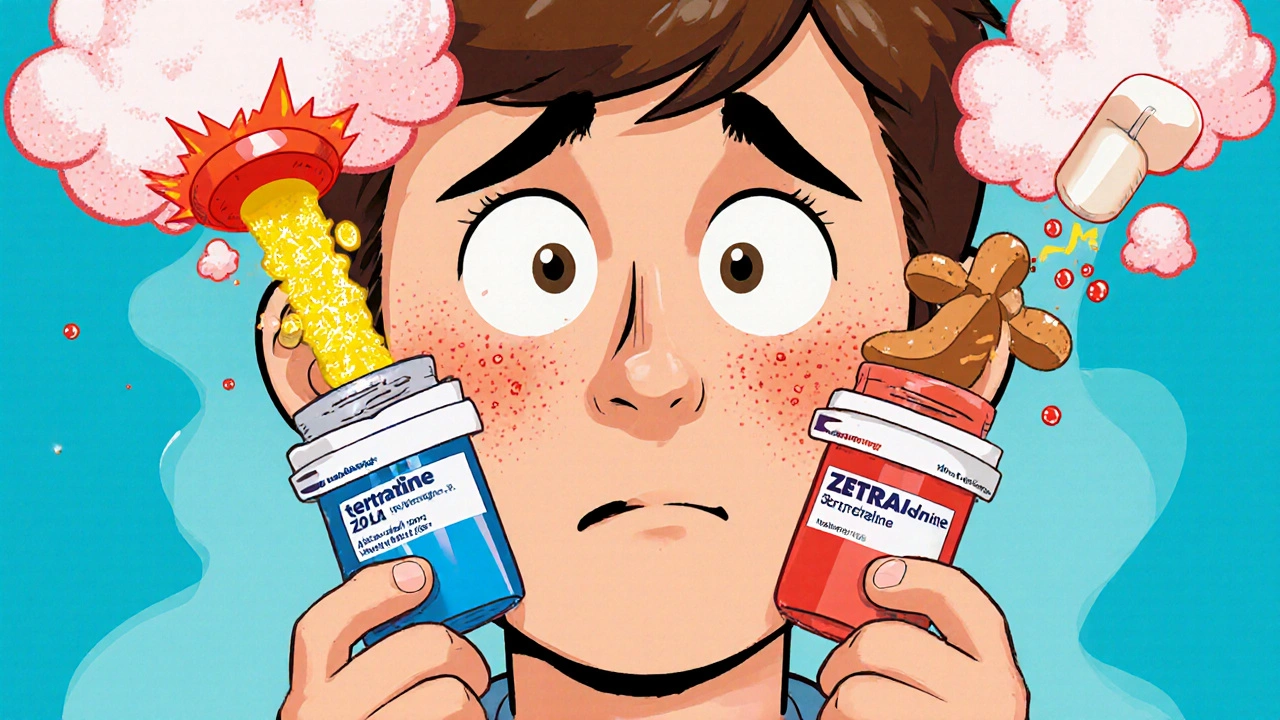
It’s not just about allergies. Some inactive ingredients interfere with how your body processes the real medicine. For example, calcium in a supplement can block the absorption of your osteoporosis drug if you take them together. Or a sugar-free tablet might use a sweetener that messes with your blood sugar if you’re diabetic. Even the colorants and preservatives can cause problems for people with sensitivities—especially kids or older adults who take more meds. And since manufacturers don’t have to list every single excipient in detail, you’re often left guessing what’s really in there.
That’s why checking the label matters. Look up the inactive ingredients on the package insert or ask your pharmacist. If you’ve had unexplained rashes, bloating, or headaches after starting a new med, it might not be the drug—it could be the filler. The good news? Generic versions often use different inactive ingredients than brand names. So if one version makes you feel off, another might not. You don’t need to be a scientist to understand this. You just need to know that what’s not active can still be powerful.
Below, you’ll find real-world examples of how these hidden ingredients affect people—whether it’s swelling from a drug coating, sleep issues from a preservative, or interactions that make your meds less effective. These aren’t theoretical concerns. They’re daily realities for thousands of people who didn’t know to ask the right questions.