

When you pick up a prescription for a generic combination drug, you expect the same results as the brand name. After all, the active ingredients are identical. But what if the problem isn’t what’s in the pill-it’s what’s not in it? For millions of people, switching from a brand-name combination drug to a generic version can lead to unexpected side effects, reduced effectiveness, or even dangerous fluctuations in blood levels. The issue isn’t fraud or poor quality. It’s something far more subtle: inactive ingredients.
Why Generic Drugs Aren’t Always Identical
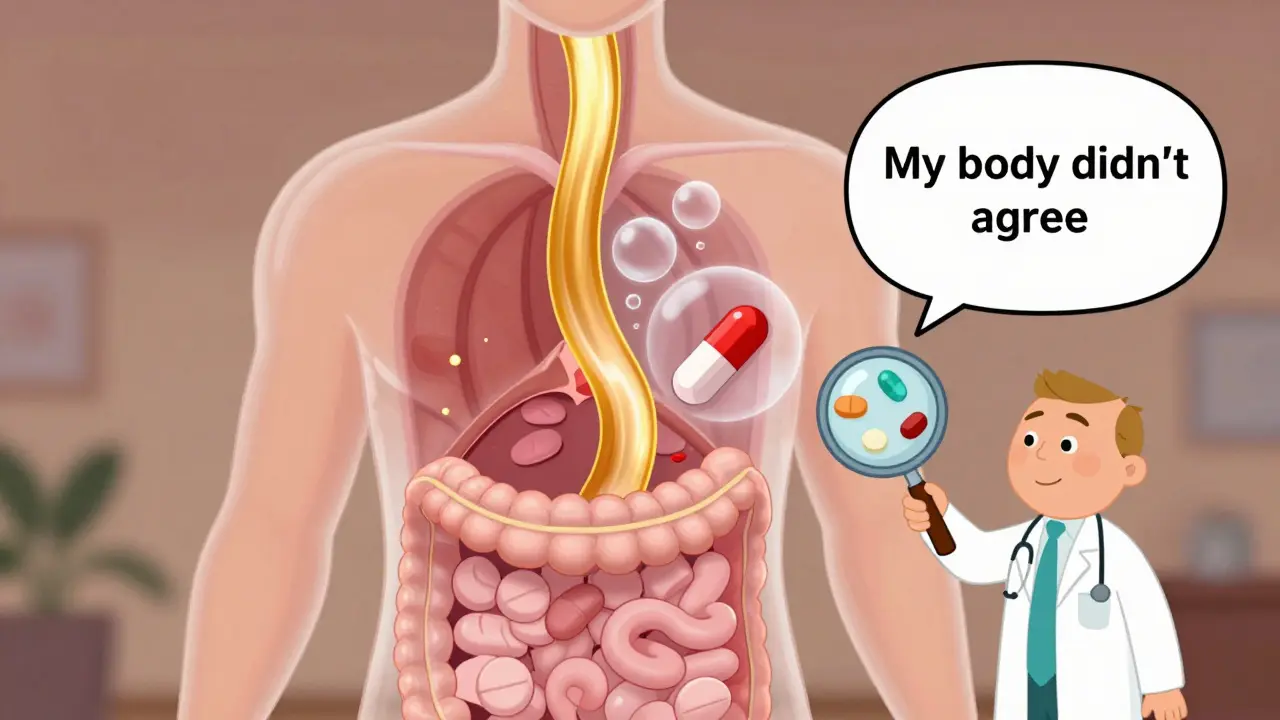
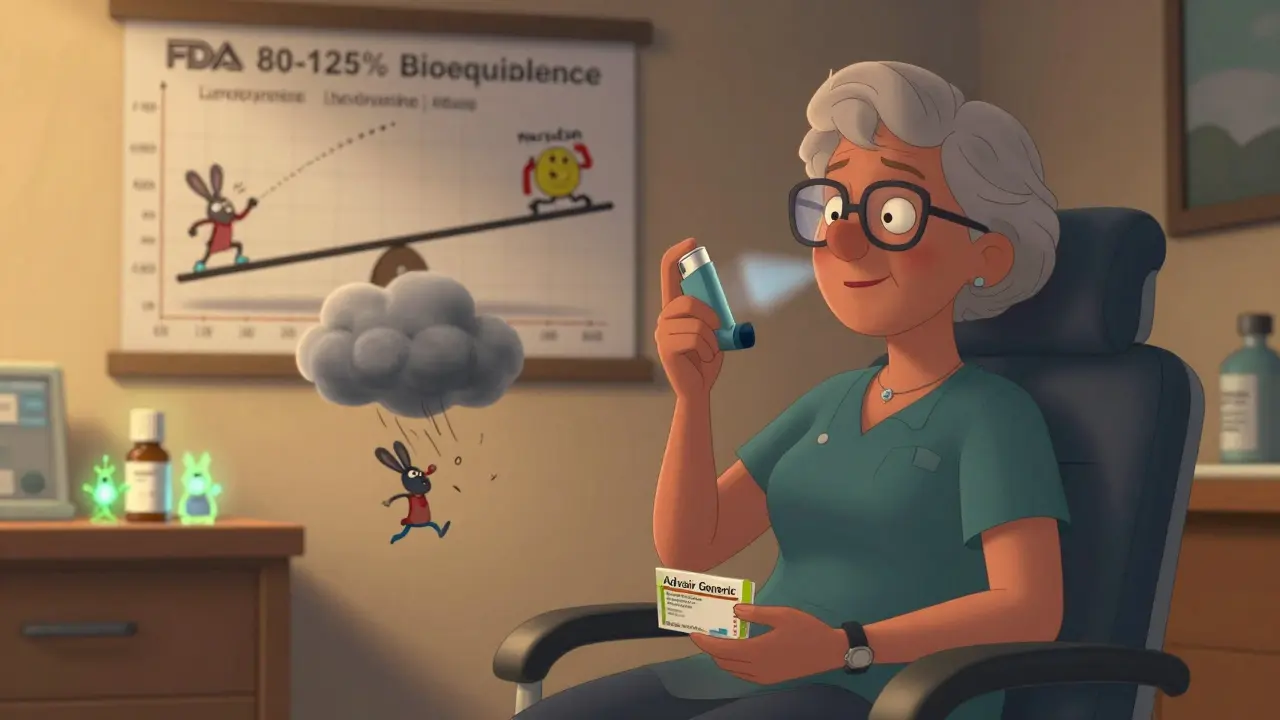
The FDA requires generic drugs to contain the same active ingredients in the same strength as their brand-name counterparts. That’s the law. But when it comes to fillers, binders, dyes, and coatings-the inactive ingredients-there’s wide latitude. These components don’t treat your condition. But they can change how your body absorbs the medicine. For example, a generic version of Advair Diskus (fluticasone/salmeterol) might use a different type of lactose or magnesium stearate than the brand. Sounds harmless, right? But for someone with asthma, even a slight change in how the medication is released from the inhaler can mean more rescue puffs, more nighttime coughing, or worse flare-ups. A 2021 study found that 23% of patients switching from Advair to a generic version used their rescue inhaler more often within 90 days. The same thing happens with diabetes drugs like metformin/sitagliptin. Some patients report stomach upset, bloating, or nausea after switching to a generic, even though their blood sugar levels stayed stable. Why? The generic might use a different coating that dissolves faster-or slower-changing how the drug hits the gut. One Reddit user described it like this: “I was fine on the brand. Switched to generic, and I felt like I had the flu for two weeks. My pharmacist said it’s the same drug. But my body didn’t agree.”The Science Behind the Differences
The FDA tests generics for bioequivalence using two key metrics: AUC (how much of the drug enters your bloodstream over time) and Cmax (how fast it gets there). If the generic falls within 80-125% of the brand’s numbers, it’s approved. Sounds strict? It is-for most people. But this test doesn’t capture everything. It doesn’t measure how quickly the pill breaks down in your stomach. It doesn’t check if the coating causes an allergic reaction. It doesn’t account for how the drug behaves in someone with slow digestion, liver disease, or a sensitive immune system. And it definitely doesn’t test how the combination of two drugs behaves together in different formulations. A 2017 study found that nearly half of all generic combination drugs had different inactive ingredients than the brand. The most common changes? Magnesium stearate (used as a lubricant), lactose (a filler), and microcrystalline cellulose (a binder). For most, this means nothing. For others, it means everything.Narrow Therapeutic Index Drugs: When Small Changes Matter
Some drugs have what’s called a narrow therapeutic index (NTI). That means the difference between a dose that works and a dose that’s toxic is tiny. Even a 10% change in absorption can cause serious problems. The FDA lists 14 NTI drugs that require extra caution. Among them:- Levothyroxine (for hypothyroidism)
- Warfarin (a blood thinner)
- Phenytoin and carbamazepine (anti-seizure meds)
- Cyclosporine (for organ transplants)
Who’s Most at Risk?
Not everyone will notice a difference. But certain groups are more vulnerable:- Elderly patients: Slower metabolism, multiple medications, and changing gut function make them more sensitive to formulation changes.
- People with allergies: Lactose, dyes, or preservatives in generics can trigger rashes, swelling, or breathing issues.
- Patients with chronic conditions: Those with epilepsy, heart disease, or autoimmune disorders need stable drug levels. Even small fluctuations can cause relapses.
- Psychiatric patients: A 2023 PatientsLikeMe analysis showed 31% of users reported mood swings, anxiety, or insomnia after switching generics for antidepressants or antipsychotics.
What You Can Do
You don’t have to accept a bad switch. Here’s how to protect yourself:- Ask if your prescription is a combination drug. Many people don’t realize they’re taking two drugs in one pill. Check the name: if it includes “/” or “+”, it’s a combo.
- Check the FDA’s Orange Book. Look up your drug. If it has an “A” rating, it’s considered therapeutically equivalent. If it has a “B” rating, proceed with caution.
- Know your inactive ingredients. Ask your pharmacist for the list. If you’re allergic to lactose, corn, or certain dyes, you need to know what’s in your pill.
- Monitor your symptoms. Keep a journal for the first 30 days after switching. Note changes in energy, sleep, digestion, mood, or side effects.
- Speak up if something’s off. Don’t assume it’s “all in your head.” Tell your doctor. Ask if you can go back to the brand-or try a different generic.




One comment
I’ve been on a generic combo for my blood pressure for years and never noticed a thing. But I know some folks are super sensitive-maybe it’s their gut, maybe their metabolism. Just don’t assume it’s all in your head if something feels off.
THEY’RE HIDING STUFF IN THE PILLS!!! 😱
Big Pharma doesn’t want you to know this-generic makers are using TOXIC fillers to save a penny. LACTOSE? MAGNESIUM STEARATE? THEY’RE POISONING YOU SLOWLY!!
My cousin died after switching. The FDA is in on it. #GenericDeathPills
You’re all missing the real issue. Bioequivalence testing is based on healthy young adults. But 70% of patients on these drugs are elderly with renal impairment, polypharmacy, and altered gastric pH. The FDA’s 80-125% range is statistically meaningless for real-world populations. You need pharmacokinetic modeling per patient, not population averages. Read the 2019 JAMA Pharmacoeconomics paper on inter-individual variability.
My grandma switched to a generic thyroid med and started forgetting her own name. Took her 3 weeks to get back to baseline. I didn’t believe it until I saw it. Now I check the label like a hawk. Weird how something so small can wreck your whole life.
Let’s be real-the FDA’s bioequivalence paradigm is a 1984 relic. We’re in 2024 and still measuring AUC and Cmax like we’re in a biochem lab circa 1992? Pathetic. We need real-time pharmacodynamic monitoring, microdosing studies, and gut microbiome interaction profiles. Until then, we’re just guessing. 🤷♂️
People who complain about generics are just lazy. If you can’t handle a little change, maybe you shouldn’t be on medication at all. My cousin switched and said he felt worse-turns out he stopped taking his vitamins. Classic.
My dad had seizures after switching to generic carbamazepine
They told him it was the same
But his brain knew the difference
Now we only get the brand
Even if it costs 3x
His life is worth it
Look, the data shows 95% of patients experience no difference. The other 5% are either hypochondriacs, non-compliant, or have undiagnosed malabsorption issues. Stop letting anecdotal horror stories drive policy. If you’re having side effects, get a TDM panel-not a conspiracy.
Bro if you feel weird after switching just talk to your doc
no shame in asking for the brand
your health > savings
you got this 💪
I’ve worked in pharmacy for 18 years. I’ve seen people cry because their asthma got worse after a generic switch. It’s not all in their head. We’ve started keeping a log of which generics patients respond to. It’s not about brand loyalty-it’s about individual biology.
Of course you’re having side effects. You probably took the generic with coffee or skipped meals. You’re not special. Everyone else manages. Stop being dramatic.
My sister’s on levothyroxine. We switched to generic and her TSH went from 2.1 to 7.8. We went back to brand. The pharmacist didn’t even warn us. I’m calling the state board. This isn’t healthcare-it’s a gamble.