Allergic Skin Reaction: Signs, Triggers, and When to Get Help
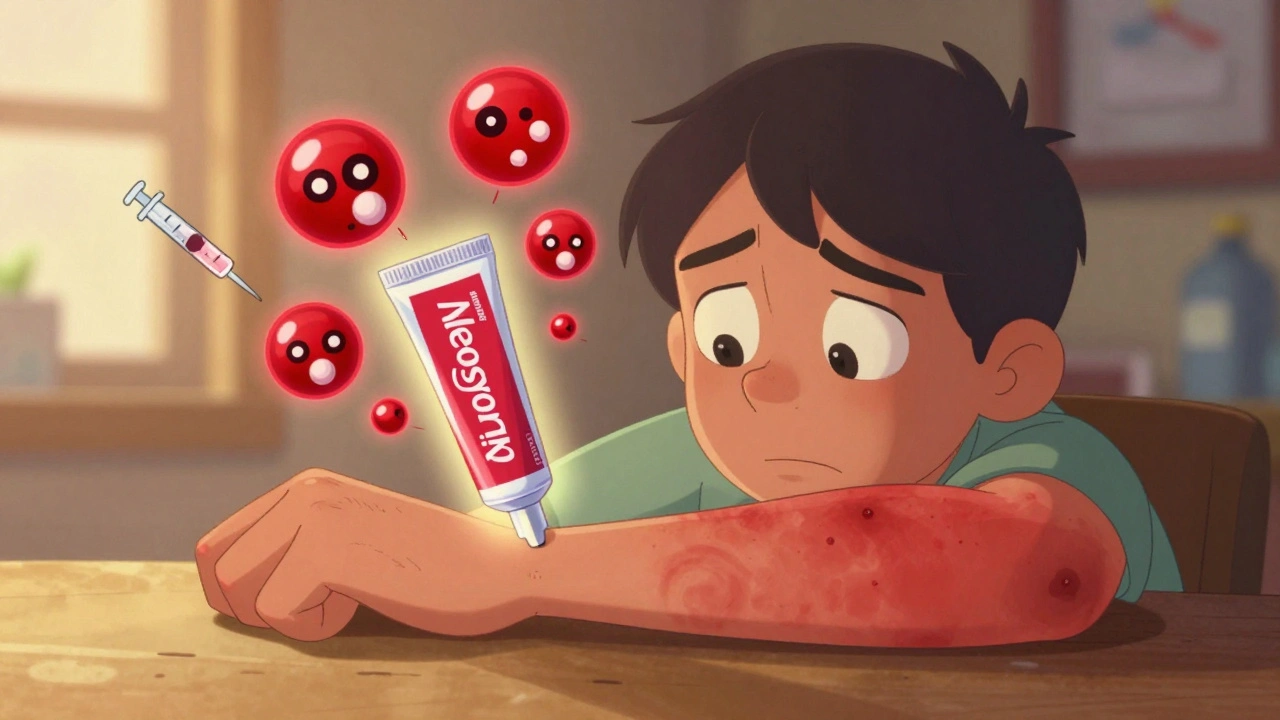
When your skin breaks out in redness, itching, or hives after taking a pill, it might not be just a coincidence—it could be an allergic skin reaction, a response by your immune system to something in a medication or supplement. Also known as drug-induced rash, this isn’t just a nuisance; it’s your body’s alarm system telling you something is wrong. Even if you’ve taken the same drug before without issue, your body can suddenly decide it’s no longer okay. That’s because the culprit isn’t always the active ingredient—it’s often the inactive ingredients, like dyes, fillers, or preservatives added to pills. Lactose, gluten, or FD&C red dye in generics can trigger reactions even when the brand-name version was fine.
These reactions don’t always look the same. Some people get a mild, patchy rash that fades in a day. Others develop swelling, blistering, or peeling skin—signs that this could be something more serious, like Stevens-Johnson syndrome, a rare but life-threatening condition often triggered by medications. If your rash spreads fast, involves your mouth or eyes, or comes with fever or trouble breathing, don’t wait. That’s not just an allergy—it’s an emergency. The same goes if you’re taking a new drug and your skin starts acting up within hours or days. Many people dismiss it as "just a rash," but skin is often the first place your body shows a dangerous reaction to something inside you.
What you’ll find in the posts below isn’t just a list of symptoms. It’s real-world guidance from people who’ve been there. You’ll learn how a generic version of a drug you’ve used safely for years can suddenly cause a reaction because of a changed filler. You’ll see how OTC pain relievers, herbal supplements, or even antacids can hide triggers you didn’t know about. And you’ll find out exactly when to call your doctor versus when to head straight to the ER. This isn’t theory—it’s what happens when people ignore early warning signs or assume all meds are the same. The truth? Your skin knows when something’s off. Listen to it.