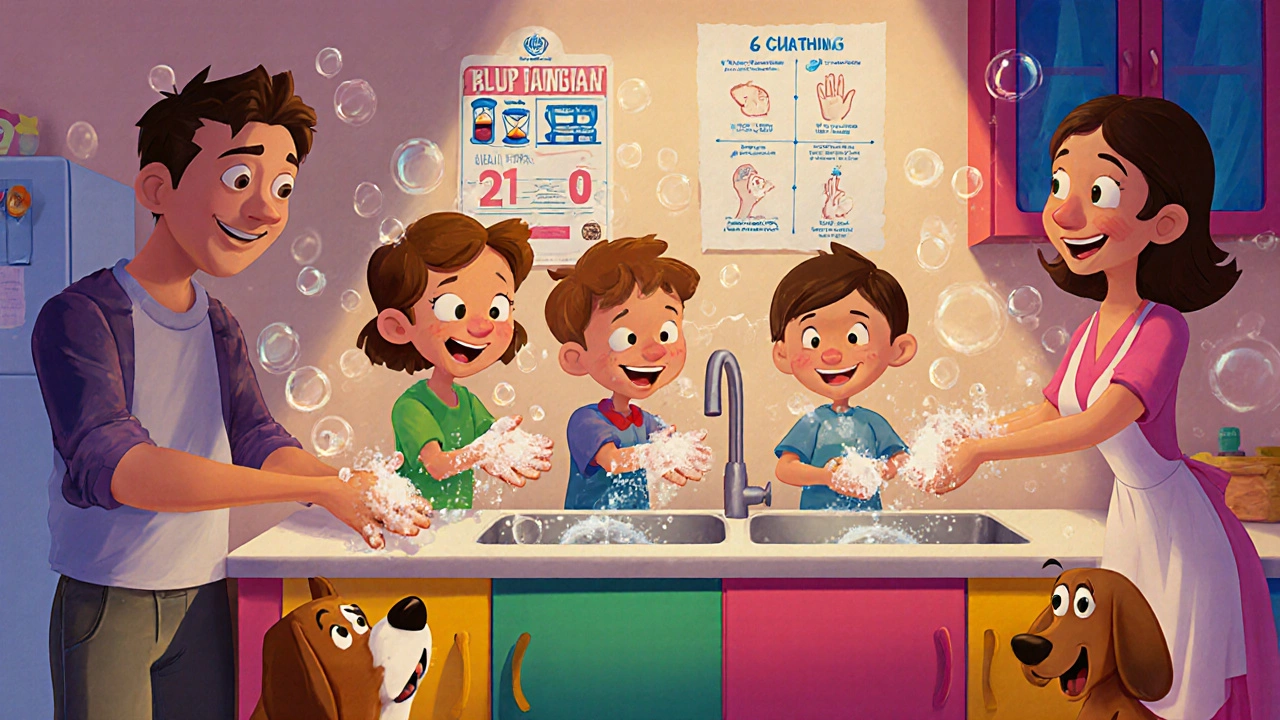
Alcohol-Based Sanitizer: What It Is, How It Works, and What to Watch For
When you reach for an alcohol-based sanitizer, a liquid or gel designed to reduce infectious agents on skin, typically containing ethanol or isopropyl alcohol. Also known as hand sanitizer, it's meant to kill germs when soap and water aren't available. But not all sanitizers are created equal—and using the wrong one can give you a false sense of safety.
The most effective alcohol-based sanitizer, a product that kills germs by breaking down their outer membranes using alcohol needs at least 60% alcohol. Below that, it’s mostly water and fragrance with little germ-killing power. You’ll find two main types: ethanol, a type of alcohol made from fermented plants, commonly used in hand sanitizers and isopropyl alcohol, a synthetic alcohol often found in medical and industrial cleaners. Both work well if the concentration is right. But they don’t kill everything. Spore-forming bacteria like C. diff, norovirus, and certain parasites laugh at alcohol. That’s why washing with soap and water is still the gold standard after using the bathroom, before eating, or if your hands are visibly dirty.
Some sanitizers claim to last for hours. That’s misleading. Alcohol evaporates in seconds. Once it’s gone, your hands are vulnerable again. And if you’re using it too often, your skin can crack and bleed—making it easier for germs to get in. Moisturizing ingredients help, but they don’t fix the root problem. Also, watch out for fake sanitizers. The FDA has warned about products laced with methanol, which can cause blindness or death if absorbed through the skin or swallowed. Always check the label. Look for the manufacturer, alcohol percentage, and FDA registration if it’s sold as a drug.
Parents often use sanitizer on kids’ hands before snacks or after playground play. But kids put their hands in their mouths. If the sanitizer isn’t fully dried, they might ingest it. A few sips of high-alcohol sanitizer can land a child in the ER. Keep bottles out of reach. Use it under supervision. And never let kids play with it like a toy.
Alcohol-based sanitizer isn’t a replacement for clean hands—it’s a backup. It works best in clinics, offices, or on the go. But if you’re caring for someone sick, handling food, or dealing with bodily fluids, soap and water still win. No amount of gel can scrub away dirt or grease like running water and friction. And if you’re trying to avoid getting sick, don’t just rely on the bottle. Clean surfaces, avoid touching your face, and get vaccinated when you can. Hand hygiene is one tool in a bigger toolbox.
Below, you’ll find real stories and facts from people who’ve dealt with medication safety, side effects, and health choices. Some of them touch on how germs spread, how we protect ourselves, and what really works when it comes to staying healthy. You won’t find fluff here—just clear, practical info that helps you make smarter calls every day.