
FDA Serious Adverse Event Checker
This tool helps you determine if your experience meets the FDA's definition of a serious adverse event. The FDA defines a serious adverse event if it results in one of five specific outcomes:
Check the boxes above to see if your experience meets the FDA's criteria for a serious adverse event.
Report your experience: Even if your event isn't serious, you can still report it through FDA's MedWatch program at fda.gov/medwatch or by calling 1-800-FDA-1088. Patient reports help identify safety issues that might otherwise go unnoticed.
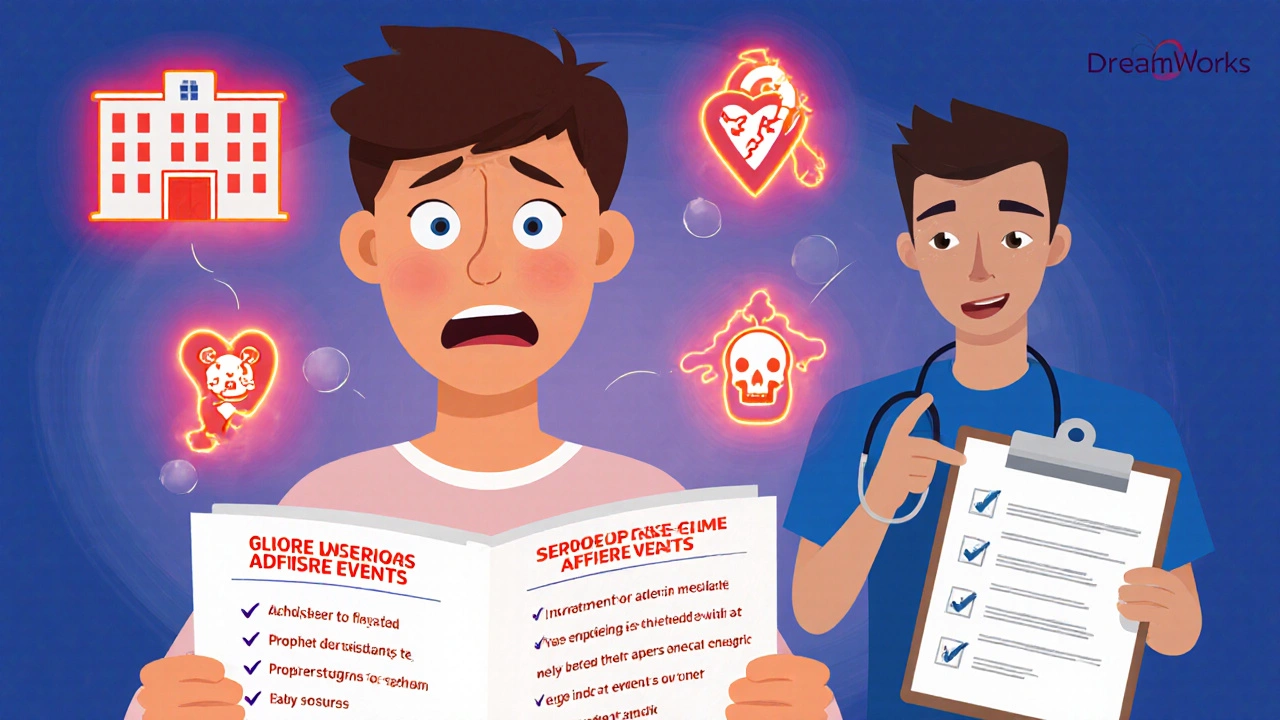
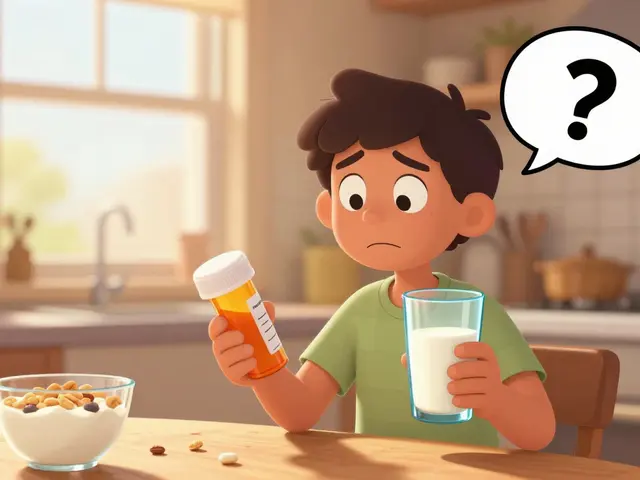
When you’re taking a new medication or joining a clinical trial, you might see the term serious adverse event on your consent form or medication guide. It sounds scary - and it’s meant to. But what does it really mean? And why should you care? Many patients confuse "serious" with "severe," and that mix-up can cause unnecessary panic or, worse, missed warning signs. The FDA doesn’t use these words interchangeably, and understanding the difference could literally save your life.
What the FDA Really Means by "Serious"
The U.S. Food and Drug Administration defines a serious adverse event (SAE) in a very specific way. It’s not about how bad you feel. It’s about what actually happened to your body. An event is classified as serious if it results in one of five outcomes:- You died - or the event is suspected of causing your death
- You were at risk of dying at the time it happened (life-threatening)
- You had to be hospitalized, or your hospital stay got longer by at least 24 hours
- You suffered permanent damage or disability - like losing hearing, nerve damage, or being unable to work
- You gave birth to a baby with a birth defect linked to the treatment
That’s it. If none of those five things happened, the FDA doesn’t call it serious - even if you were miserable. A bad headache, nausea, or fatigue? Those might be severe (Grade 3 or 4 on a medical scale), but they’re not serious under FDA rules unless they led to hospitalization or another of those five outcomes.
This distinction matters because it’s how regulators decide what needs urgent attention. A drug that causes 1,000 people to throw up but no hospitalizations? That’s a nuisance. A drug that sends 50 people to the ER with heart problems? That’s a red flag. The FDA uses SAE data to trigger safety alerts, change drug labels, or even pull products off the market. In 2022 alone, SAE reports led to 128 safety alerts and 47 label updates.
"Serious" vs. "Severe" - Why the Confusion Happens
Most patients think "severe" means "serious." It’s a natural assumption. But in medicine, they’re two different things."Severe" describes how intense the symptom is - like pain level, how much your blood counts dropped, or how dizzy you felt. Doctors use a scale called CTCAE (Common Terminology Criteria for Adverse Events) to grade severity from 1 to 5:
- Grade 1: Mild - barely noticeable
- Grade 2: Moderate - annoying but manageable
- Grade 3: Severe - requires medical help, maybe hospitalization
- Grade 4: Life-threatening - needs intensive care
- Grade 5: Fatal
Here’s the catch: a Grade 3 event - like low white blood cells - might be "severe" but not "serious" if it didn’t cause hospitalization or permanent damage. In cancer trials, 68% of Grade 3 or 4 events were not classified as serious because they were expected, reversible, or didn’t meet the FDA’s five criteria.
Meanwhile, a Grade 1 event - like a mild rash - could be serious if it led to a hospital stay for a rare allergic reaction. That’s why patients often get confused. One woman on an online forum said she panicked when her trial report listed "Grade 4 neutropenia," until her nurse explained: "It’s severe, but not serious - your team knew it could happen and had a plan to fix it."
What Counts as an "Important Medical Event"
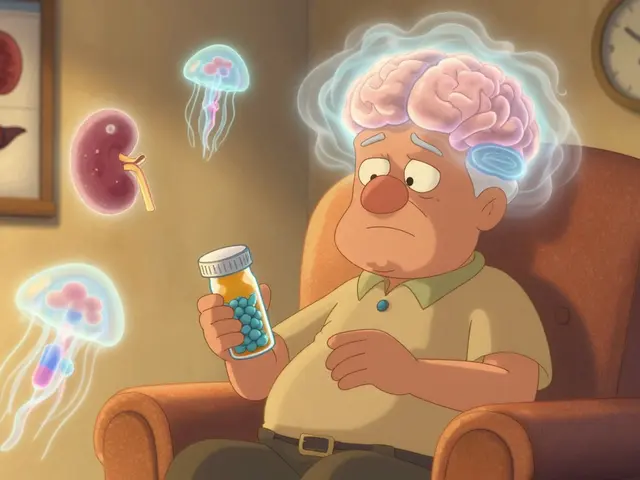
The FDA doesn’t stop at the five outcomes. There’s another category called Important Medical Events (IMEs). These are events that don’t meet the five criteria yet - but could lead to them if ignored.Examples include:
- Severe allergic reaction that didn’t require hospitalization but needed emergency treatment
- Significant drop in kidney function that wasn’t yet dialysis-worthy
- Psychiatric crisis - like suicidal thoughts - that didn’t result in hospitalization
These are tricky. They’re not automatically serious, but they’re flagged because they could become serious. In 2022, IMEs added over 18,000 new safety signals to the FDA’s database - a 14.7% jump in detection. That’s why it’s important to report even "minor" symptoms that feel wrong. Your report might be the one that catches a pattern others missed.
How the FDA Uses Your Reports
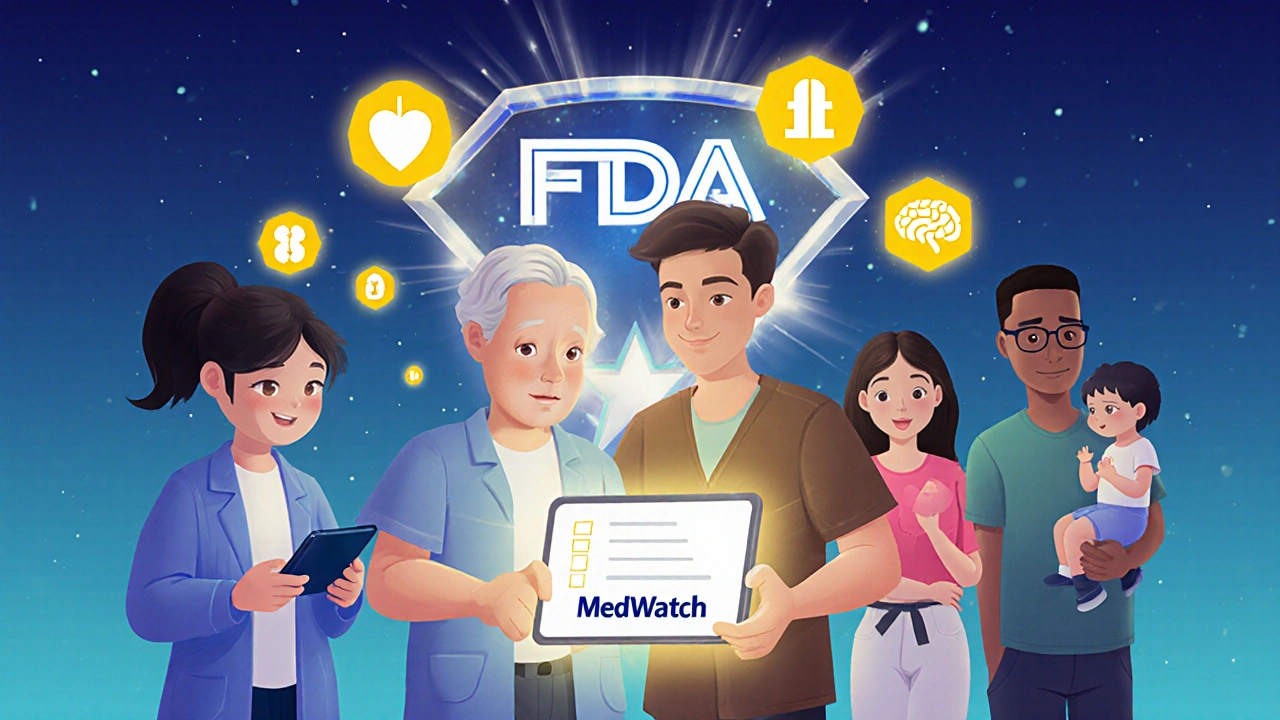
The FDA doesn’t monitor every side effect in real time. They rely on reports - from doctors, hospitals, and patients. That’s where you come in.Doctors and drug companies report serious events to the FDA within 15 days. But patients can report too - directly - through the MedWatch program. All you need is Form 3500B. In 2022, patients submitted 38,452 reports. That’s up 12.3% from the year before. And those reports matter. A patient reporting unusual dizziness after a new blood pressure pill led to a safety review that found a rare heart rhythm risk. The drug’s label was updated.
Still, there’s a big problem: underreporting. Experts estimate only 1% to 10% of all adverse events are ever reported. Most patients don’t know how to report, or think it’s not their job. But if you’re on a new drug and something unusual happens - even if it seems small - tell your doctor and file a report. You’re not just helping yourself. You’re helping thousands of others.
What to Look for in Your Medication Guide
Every FDA-approved drug comes with a medication guide. If you’ve never read yours, now’s the time. Look for a section called "Warnings and Precautions." That’s where they list serious adverse events observed during clinical trials.You’ll see phrases like:
- "Serious infections occurred in 2.3% of patients"
- "Liver injury requiring hospitalization was reported in 0.8%"
- "Cases of severe skin reactions led to permanent scarring in 1 in 5,000 users."
These numbers aren’t random. They’re based on real data from thousands of people. If you see "hospitalization" or "death" listed, that’s the FDA telling you: this is something to watch for. Not to scare you - but to empower you.
What Clinical Trial Consent Forms Don’t Tell You
Clinical trial consent forms are long. They’re full of legal language. But buried in there is a section called "Risks and Discomforts" or "Adverse Events." That’s where they explain how events will be tracked and reported.Here’s what to ask for:
- A plain-language definition of "serious adverse event"
- A list of events they’re specifically watching for in this trial
- How and when you’ll be contacted if something serious happens
- Whether you can report events yourself (yes, you can)
A 2022 survey found that 78% of patients didn’t understand what "serious" meant in trial documents. Only 32% got it right without extra help. Don’t be one of them. Ask for clarification. Take notes. Bring someone with you. It’s your right.
What’s Changing - and What’s Coming
The FDA knows patients are confused. That’s why they’re making changes.In 2023, they released draft guidance to simplify SAE language in patient materials. No more jargon. Just clear terms like: "This medicine can cause events that lead to hospitalization, permanent damage, or death."
They’re also testing AI tools to sort through reports faster. What used to take 30 days to review now takes 7 for the most urgent cases. And by 2025, all clinical trial websites will be required to include a simple, patient-friendly summary of serious events - no medical degree needed.
They’re even listening to patients. The FDA’s Patient Engagement Advisory Committee now includes people who’ve been through trials. Their feedback shapes how serious events are defined. For example, patients told them that "inability to work" should count as disability - and now it does.
What You Can Do Right Now
You don’t need to be a scientist to understand serious adverse events. Here’s your action plan:- Read your medication guide - especially the "Warnings" section.
- Ask your doctor: "Which side effects here are serious? What should I call you about right away?"
- If you’re in a trial, ask for the SAE list in plain language.
- Report anything unusual - even if you think it’s "not that bad." Use MedWatch at fda.gov/medwatch.
- Remember: serious ≠ severe. Hospitalization? Death? Permanent damage? That’s serious. A bad headache? Probably not.
Understanding this isn’t about fear. It’s about control. The FDA’s system isn’t perfect - underreporting is a real issue, and industry bias can skew data. But it’s the best tool we have to catch dangers before they spread. And you’re part of it.
Next time you see "serious adverse event" on a form, don’t panic. Read it. Ask. Report. You’re not just a patient. You’re a safety net.
What’s the difference between a serious adverse event and a side effect?
All serious adverse events are side effects, but not all side effects are serious. Side effects are any unwanted reaction to a drug - like nausea, dizziness, or a rash. A serious adverse event is a side effect that leads to death, hospitalization, permanent damage, life-threatening conditions, or birth defects. The FDA only flags the serious ones for safety reviews.
If I get a severe headache after taking my new medicine, is that a serious adverse event?
Not unless it leads to one of the five FDA-defined outcomes: hospitalization, life-threatening risk, permanent damage, death, or a birth defect. A severe headache alone - even if it’s Grade 3 on a severity scale - isn’t automatically serious. But if it’s so bad you go to the ER, that’s hospitalization - and now it’s serious. Always report it to your doctor.
Can I report a serious adverse event myself?
Yes. The FDA’s MedWatch program lets patients report adverse events directly using Form 3500B. You don’t need a doctor’s note. You can file online at fda.gov/medwatch or call 1-800-FDA-1088. In 2022, over 38,000 reports came from patients - and many led to safety updates. Your report matters.
Why do some drugs have serious side effects listed but I never heard of anyone having them?
Because they’re rare. Drug companies test medicines on thousands of people, but some reactions only show up in 1 in 10,000 or even 1 in 100,000. The FDA requires listing even rare serious events because once the drug is used by millions, those rare cases add up. It’s not about how common it is - it’s about how dangerous it could be.
Does the FDA only track events from clinical trials?
No. The FDA tracks events from clinical trials, doctor reports, hospital records, and patient submissions. Their main database, FAERS, pulls in reports from all these sources. After a drug is approved and used by the public, most serious events come from real-world use - not trials. That’s why ongoing reporting is so important.
How do I know if my doctor reported my adverse event?
You can’t always know - doctors aren’t required to tell you. But you can ask: "Did you report my reaction to the FDA?" If they didn’t, you can still report it yourself through MedWatch. Your report is just as valid as a doctor’s. In fact, patient reports often catch things doctors miss because they’re focused on treatment, not data collection.

One comment
It's wild how the FDA's definition of 'serious' is so clinical, but what matters to patients is how it feels. I had a Grade 3 headache after a new med - no hospital, no death risk, but I couldn't function for three days. That’s serious to me. The system doesn’t care about quality of life, only outcomes. And that’s a problem.
It’s not just about survival - it’s about whether you can still be human while taking the medicine.
Got my first SAE report in. Took 10 minutes. No doctor needed. Just typed what happened. Small thing - rash + fever - but I didn’t wait. If it’s weird, report it. Someone else might be having the same thing.
Let’s be real - this whole SAE framework is corporate theater. The FDA’s ‘five criteria’ are a legal loophole. Drug companies design trials to avoid triggering them. They know exactly how to keep side effects just below the threshold - mild enough to not be ‘serious,’ but bad enough to keep people compliant.
And don’t get me started on IMEs. They’re the ‘oh, we’ll watch this’ graveyard where real dangers go to die. If you’re not hospitalized, you’re invisible. That’s not safety - that’s liability management.
Y’all need to chill. 😅 I took that new diabetes med and got a headache so bad I cried. Called my doc. They said, ‘Grade 3, not serious.’ I was like… ‘but my brain felt like it was being crushed by a toaster?’
Turns out? It was just dehydration + caffeine withdrawal. I’m fine now. But I filed a MedWatch report anyway - because why not? If it helps one person avoid the same panic? Worth it.
Also, FDA’s new plain-language stuff? YES. Finally. 🙌
I’m a cancer patient. I’ve had 3 Grade 4 neutropenia episodes. None were ‘serious’ because they were expected. But each time, I felt like I was dying. My body shut down. I couldn’t walk. My kids were scared.
It’s not just about the label. It’s about how you feel. The system needs to listen to the lived experience, not just the checkboxes.
Oh for heaven’s sake. Another ‘FDA explains’ article. As if we didn’t already know they’re a toothless bureaucracy that lets Big Pharma write the rules. ‘Serious’ means ‘costs more than $50k to treat.’ That’s the real definition.
Meanwhile, I’ve got a cousin who lost his hearing from a ‘non-serious’ antibiotic. Took him 3 years to get compensation. The system doesn’t care until it’s too late. And by then, it’s just another statistic.
I’ve spent the last 18 months navigating clinical trials for my autoimmune condition, and I can tell you - the language on consent forms is deliberately opaque. I had to hire a medical translator just to understand what ‘life-threatening’ meant in context. It’s not just confusing - it’s unethical.
And the fact that patients have to file their own reports? That’s not empowerment. That’s shifting the burden of oversight onto people who are already sick. We’re not data-entry clerks. We’re patients.
That said - I did file my report. After a 48-hour panic over a rash that turned out to be a fungal infection. Still filed. Because someone else might not be so lucky.
Interesting breakdown. But I wonder - if a patient has a Grade 3 reaction and it’s reversed within 24 hours, does that still count as serious? I’ve seen cases where people get rushed to the ER, treated, and sent home. No hospitalization beyond a few hours. Is that still a ‘serious adverse event’ under FDA rules?
Because if the answer is no, then the whole system’s got a blind spot. People don’t need to be hospitalized for weeks to be in danger. Sometimes, minutes matter.
Correcting a common misconception: the FDA’s definition of serious adverse event is codified in 21 CFR 310.305 and 21 CFR 314.80. It’s not subjective - it’s regulatory. The five outcomes are explicitly defined to standardize reporting across sponsors, investigators, and patients.
That said, the confusion arises because clinicians often use ‘serious’ colloquially to mean ‘severe.’ The FDA doesn’t. That’s why patient education is critical.
Also, MedWatch reports from patients are legally valid and are included in FAERS with the same weight as provider reports. No need to wait for a doctor - if you’re concerned, report it. You’re not overstepping. You’re fulfilling a public health role.
LOL. So the FDA says ‘serious’ only means death, hospitalization, or permanent damage? That’s cute. You know what’s ‘serious’? When you’re on a drug and your liver enzymes spike, your kidneys start failing, and your doctor says ‘it’s not serious because you didn’t die yet.’
And you’re supposed to just ‘report it’? Like that’ll do anything? The system is rigged. Drug companies bury data. Doctors don’t report. Patients are too scared or too tired to fight.
Meanwhile, the FDA’s ‘AI tools’ are just fancy filters to ignore the 99% of reports that don’t fit their corporate-approved narrative. This isn’t safety - it’s PR with a lab coat.