Opioid Risks: What You Need to Know About Dependence, Overdose, and Safer Use
When doctors prescribe opioids, a class of powerful pain-relieving drugs that include oxycodone, hydrocodone, morphine, and fentanyl. Also known as narcotics, they work by binding to receptors in your brain and spinal cord to reduce pain—but they also trigger dopamine release, which can lead to dependence even when taken as directed. The problem isn’t just illegal street drugs; many people who develop opioid addiction start with a prescription after surgery, an injury, or chronic pain.
Opioid dependence, a physical condition where your body adapts to the drug and needs it to function normally can happen in as little as a few weeks. It’s not the same as addiction, but it often leads to it. People with dependence don’t necessarily crave the drug or use it compulsively—they just feel sick without it. Opioid overdose, a medical emergency caused by too much of the drug slowing or stopping breathing kills over 70,000 people in the U.S. every year. Many overdoses happen because people mix opioids with alcohol, benzodiazepines, or even over-the-counter sleep aids. You don’t have to be a drug user to be at risk—just take the wrong combination.
Some people think if they’re taking opioids exactly as prescribed, they’re safe. But that’s not always true. Side effects like drowsiness, constipation, nausea, and confusion are common. Long-term use can lower testosterone, weaken your immune system, and make you more sensitive to pain over time. Even short-term use after dental work or a broken bone can set the stage for future problems. And if you’ve ever had a mental health condition, a history of substance use, or chronic pain, your risk goes up.
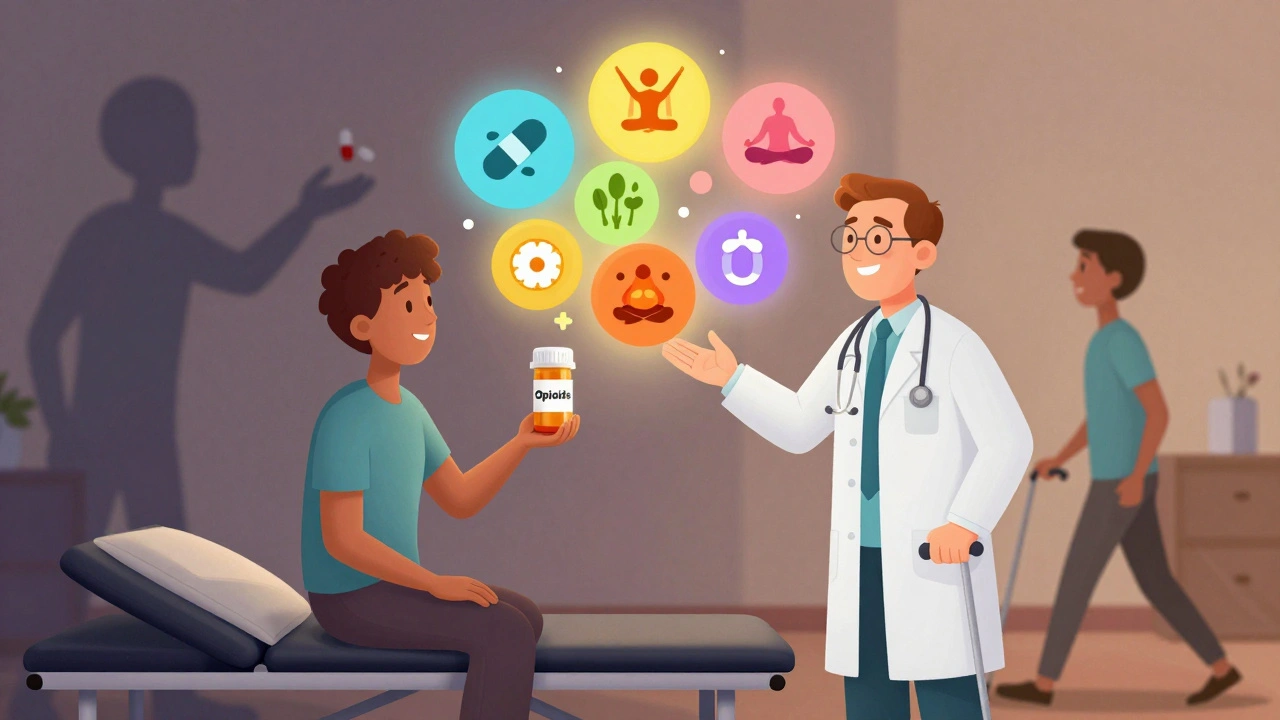
What can you do? Talk to your doctor about alternatives—physical therapy, NSAIDs, nerve blocks, or non-opioid pain management. If you’re on opioids, ask about naloxone, the life-saving nasal spray that reverses overdoses. Keep it in your home if you or someone you live with is taking these drugs. Never share your pills. Store them locked up. Dispose of unused ones at a pharmacy drop box. And if you notice signs like needing higher doses, hiding use, or skipping responsibilities, get help now. Recovery works, but only if you act before it’s too late.
Below, you’ll find real-world advice on spotting dangerous drug interactions, understanding medication safety, and protecting yourself from hidden risks—because knowing the signs can save a life.