Indocin Comparison – What You Need to Know
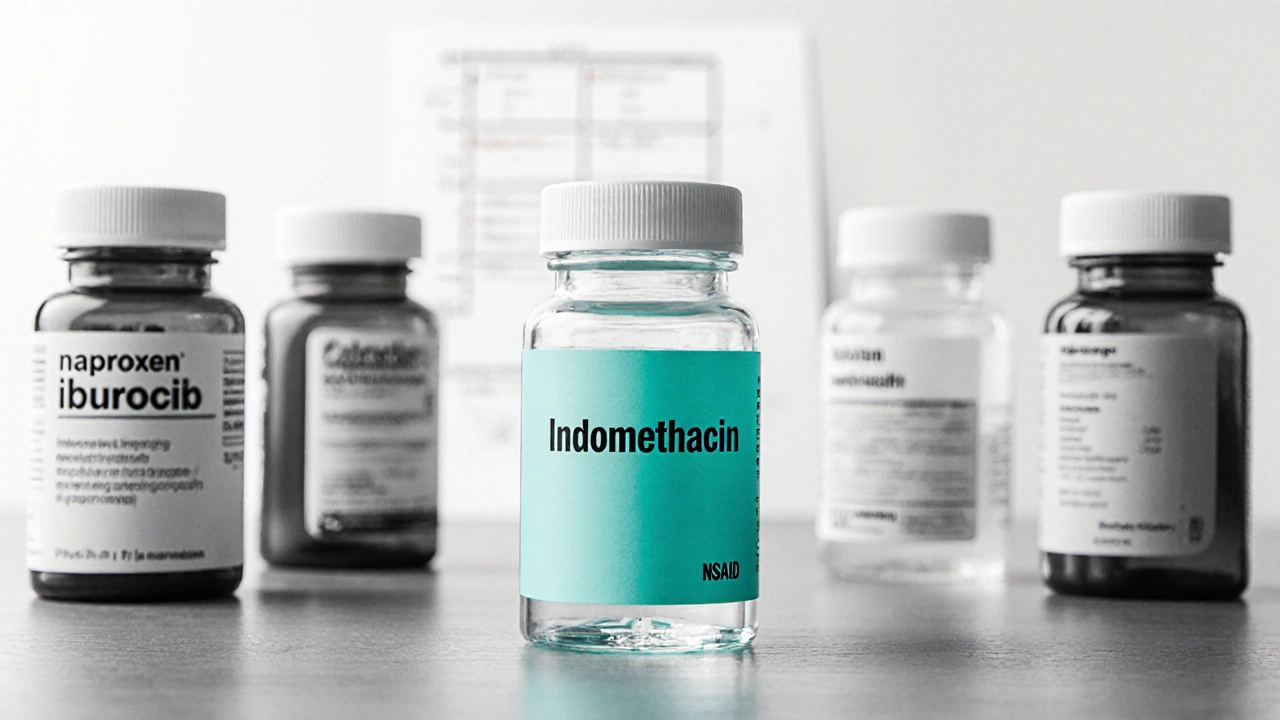
When looking at Indocin, the market name for the drug indomethacin, a potent non‑steroidal anti‑inflammatory medication, it helps to start with a clear definition. Also known as indomethacin, Indocin is used to reduce inflammation, relieve pain, and lower fever. In a typical Indocin comparison, we examine how it performs against other NSAIDs in terms of strength, side‑effect profile, and cost.
Another key player in this space is NSAIDs, a broad class of drugs that includes ibuprofen, naproxen, and aspirin. NSAIDs work by blocking the enzyme cyclooxygenase (COX), which reduces prostaglandin production and thus eases inflammation. Because Indocin belongs to this group, the comparison often centers on its COX‑1 and COX‑2 inhibition balance, which directly influences both efficacy and safety.
When you compare Indocin with other NSAIDs, one major factor is gastrointestinal side effects, issues like stomach ulcers, bleeding, and nausea that many NSAID users experience. Indocin’s strong COX‑1 inhibition can increase the risk of GI irritation, so physicians may prescribe it with a proton‑pump inhibitor or suggest a lower‑dose regimen. Understanding this relationship helps you weigh the benefits of fast pain relief against potential stomach problems.
Key Factors to Compare
First, look at pain relief, how quickly and effectively the drug reduces acute or chronic pain. Indocin often outperforms milder NSAIDs in severe joint or musculoskeletal pain because of its higher potency. Second, consider dosing flexibility; Indocin is typically prescribed in 25‑50 mg doses taken 2–3 times daily, while drugs like ibuprofen are available over the counter in a wide range of strengths.
Third, evaluate safety beyond the GI tract. Indocin can affect kidney function and may raise blood pressure, especially in patients with pre‑existing cardiovascular issues. In contrast, some newer NSAIDs claim a lower cardiovascular risk profile. Fourth, cost matters: brand‑name Indocin can be pricey, but generic indomethacin offers a more affordable option without sacrificing efficacy.
Finally, think about the specific condition you’re treating. For gout flares, Indocin is often a first‑line choice because it reduces inflammation rapidly. For routine osteoarthritis, a gentler NSAID like naproxen might be preferred to minimize long‑term GI risk. Matching the drug to the disease context is a central piece of any Indocin comparison.
Each of these elements—pain relief potency, dosing schedule, safety profile, cost, and disease fit—forms a semantic triple with Indocin at the center: Indocin provides strong pain relief, strong pain relief requires careful safety monitoring, and safety monitoring influences treatment choice. By keeping these connections in mind, you can make an informed decision about whether Indocin or another NSAID best fits your needs.
Below you’ll find a curated list of articles that dig deeper into these topics. From detailed dosing charts to side‑effect management tips, the collection gives you the practical details you need to compare Indocin with its peers and choose the right approach for your health.