
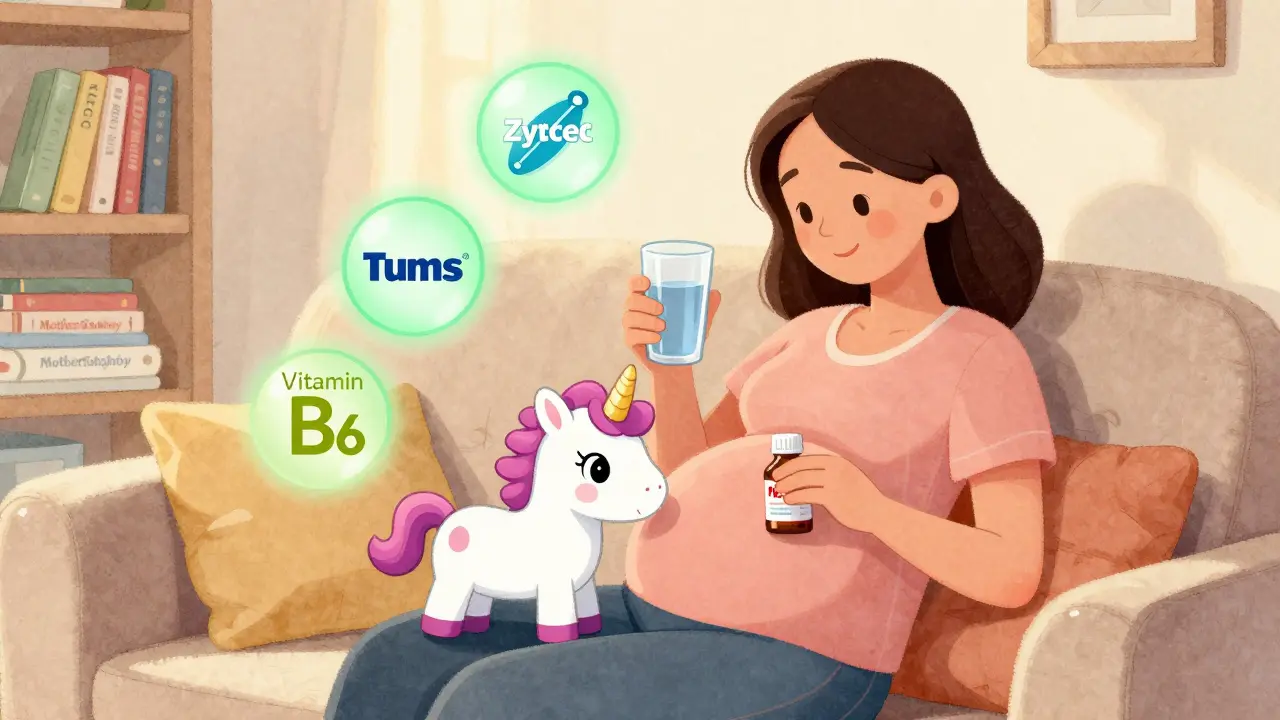
When you’re pregnant, even a simple headache or stuffy nose can feel like a crisis. You want to feel better-but you’re terrified of hurting your baby. The truth is, medications safe during pregnancy do exist. But knowing which ones are truly safe-and which ones to avoid-isn’t always clear. Many women stop taking necessary medications out of fear, while others reach for over-the-counter remedies without realizing the risks. This list isn’t just a collection of names. It’s a practical, evidence-based guide to what you can take, how much, when, and why.
What Makes a Medication Safe During Pregnancy?
There’s no such thing as a 100% risk-free medication in pregnancy. Even water can be dangerous if you drink too much. Safety comes down to balancing two things: the risk to your baby and the benefit to you. If you have high blood pressure, untreated diabetes, or severe depression, not taking your medication can be far more dangerous than taking it. The old A, B, C, D, X categories (from the 1970s) are gone. They were too simple and misleading. Today, drug labels give detailed summaries based on real human data, animal studies, and registry reports. The MotherToBaby registry, which has tracked over 100,000 pregnancies since 1985, shows that 97% of women who took common antihistamines like cetirizine or loratadine had no increased risk of birth defects. That’s powerful evidence. Still, 61% of new drugs approved by the FDA between 2010 and 2023 had no reliable pregnancy safety data at the time of approval. That’s why you need to rely on guidelines from trusted sources like ACOG, CDC, and major university medical centers-not random internet posts or well-meaning but uninformed relatives.Safe Allergy Medications
Allergies don’t take a break during pregnancy. Sneezing, itchy eyes, and runny noses are common. The good news? Most antihistamines are considered safe.- Cetirizine (Zyrtec): 10mg once daily. Recommended by 9 out of 10 major medical centers, including the University of Michigan and Cleveland Clinic. No increased risk of birth defects in over 1,500 documented cases.
- Loratadine (Claritin): 10mg once daily. Also well-studied. Piedmont OB-GYN says it’s safe throughout pregnancy, but warns against Claritin-D, which contains pseudoephedrine.
- Fexofenadine (Allegra): 180mg once daily. Only non-drowsy versions are recommended. Avoid the combination products with decongestants.
Cold, Cough, and Congestion Relief
Cold season hits hard when you’re pregnant. But not all cold meds are created equal.- Guaifenesin (Mucinex): 600-1,200mg every 12 hours. Safe for thinning mucus. Just make sure it’s the plain version. Avoid multi-symptom formulas like Mucinex D or Cold & Flu-that’s where the trouble hides.
- Dextromethorphan (Robitussin DM): Maximum 120mg in 24 hours. Used for cough suppression. University of Michigan says it’s safe in moderation, but avoid if you’re also taking antidepressants.
- Saline nasal spray: Completely safe. Use as often as needed. It’s the gold standard for nasal congestion.
- Pseudoephedrine (Sudafed): Controversial. Only 5 out of 10 sources list it as safe. Piedmont OB-GYN says: avoid in the first trimester and if you have high blood pressure. Some pharmacies require ID to buy it. If you need it, use the lowest dose for the shortest time possible. Dr. Thomas Hale’s 2023 guide warns it can reduce blood flow to the placenta and may cause neonatal withdrawal.
Pain and Fever Relief
Acetaminophen (Tylenol) is the only pain reliever consistently recommended during pregnancy. It’s been studied in over 100,000 pregnancies. But even this has limits.- Acetaminophen (Tylenol): Maximum 3,000mg per day. That’s six 500mg tablets. Some hospitals recommend 2,600mg to be extra safe. Don’t combine it with cold medicines that also contain acetaminophen. Tylenol PM has 500mg acetaminophen plus diphenhydramine-so two of those equals your entire daily limit.
Heartburn and Digestive Issues
Heartburn is almost universal in pregnancy. The good news? You have safe, effective options.- Calcium carbonate (Tums): Take as needed. It’s not just an antacid-it’s a calcium supplement. But don’t go over 2,400mg elemental calcium per day. Too much can cause constipation or kidney stones.
- Famotidine (Pepcid): 20mg twice daily maximum. Reduces stomach acid production. Safe and effective. Prisma Health recommends it for chronic heartburn.
- Polyethylene glycol (Miralax): 17g daily (one capful). The only laxative consistently recommended. It doesn’t get absorbed into your bloodstream, so it doesn’t reach the baby. Avoid stimulant laxatives like senna or bisacodyl.
Nausea and Morning Sickness
Vomiting 10 times a day? You’re not alone. And you don’t have to suffer. The most effective, FDA-approved treatment is a combination:- Vitamin B6 (pyridoxine): 25mg, three times daily.
- Doxylamine succinate (Unisom SleepTabs): 25mg, up to three times daily.
What About Antidepressants?
This is one of the most feared areas. But here’s the hard truth: untreated depression and anxiety during pregnancy can lead to preterm birth, low birth weight, and developmental delays. Sertraline (Zoloft) and fluoxetine (Prozac) are the most studied SSRIs. ACOG recommends continuing them if you were already taking them before pregnancy. The FDA updated its warning in October 2023 about neonatal adaptation syndrome (jitteriness, feeding trouble) in newborns exposed late in pregnancy-but this is usually mild and short-lived. A 2022 MotherToBaby survey found that 28% of women stopped their antidepressants out of fear. That’s dangerous. If you’re stable on medication, don’t quit cold turkey. Talk to your provider about the safest plan.
What to Avoid Completely
Some medications have no safe window. Avoid these at all costs:- Isotretinoin (Accutane): Causes severe birth defects. Even one pill can be enough.
- ACE inhibitors (Lisinopril, Enalapril): Can cause kidney failure and skull deformities in the fetus.
- Warfarin (Coumadin): Increases risk of fetal bleeding and malformations.
- Herbal supplements like black cohosh, goldenseal, and pennyroyal: These can trigger contractions or harm fetal development.
- Alcohol, tobacco, and recreational drugs: No safe amount exists.
Real-World Challenges
Knowing what’s safe is one thing. Getting it is another. A Reddit user in Texas said her doctor approved Sudafed after the first trimester, but the pharmacist refused to sell it without extra paperwork. She went three days with a sinus infection because of bureaucracy. Another woman took Tums daily but didn’t realize she was hitting her calcium limit. She ended up with severe constipation and hemorrhoids. Many women stop necessary medications because they’re scared. But the bigger risk? Uncontrolled asthma, high blood pressure, or depression. Your health matters too.How to Use This List
This isn’t a substitute for your doctor. But it’s a powerful tool to prepare for your appointment.- Write down every medication you’re taking-prescription, OTC, and supplements.
- Ask: “Is this safe for my baby? Is there a better option?”
- Don’t assume “natural” is safe. Many herbs are dangerous.
- Check expiration dates. Old meds can lose potency or become harmful.
- Use the lowest dose for the shortest time possible.
Final Thought
Pregnancy isn’t a time to suffer in silence. You deserve to feel well. And your baby deserves a healthy, supported mom. Medications safe during pregnancy exist-but you need to know which ones, and how to use them. Don’t guess. Don’t panic. Ask. And don’t let fear keep you from the care you need.Can I take Tylenol during pregnancy?
Yes, acetaminophen (Tylenol) is the safest pain reliever during pregnancy. The maximum daily dose is 3,000mg (six 500mg tablets). Avoid taking it with other cold or flu medicines that also contain acetaminophen. Do not exceed this limit, as high doses over long periods may be linked to developmental concerns, though evidence is still being studied.
Is Zyrtec safe in the first trimester?
Yes, cetirizine (Zyrtec) is considered safe throughout pregnancy, including the first trimester. It has been studied in over 1,500 pregnancies with no increased risk of birth defects. Stick to the standard 10mg daily dose and avoid combination products with decongestants.
Can I use Sudafed while pregnant?
Pseudoephedrine (Sudafed) is controversial. Some providers allow it after the first trimester if you don’t have high blood pressure. Others advise against it entirely due to potential risks like reduced blood flow to the placenta and neonatal withdrawal. Always check with your doctor, and never use it without their approval. Many pharmacies require ID to purchase it.
Are herbal remedies safe during pregnancy?
No, most herbal remedies are not proven safe. Ingredients like black cohosh, goldenseal, and pennyroyal can trigger contractions or harm fetal development. Even common herbs like ginger (in large doses) and chamomile may affect hormone levels. Always talk to your provider before using any supplement, even if it’s labeled “natural.”
What should I do if I took a medication before knowing I was pregnant?
Don’t panic. Most medications taken in the first few weeks after conception either have no effect or cause an “all-or-nothing” outcome-if the embryo was going to be harmed, it likely wouldn’t survive. Call your provider or contact MotherToBaby at 1-866-626-6847. They can assess your specific situation and help you understand the actual risk, which is often much lower than you fear.
Is it safe to take prenatal vitamins with other supplements?
Be careful. Many prenatal vitamins already contain iron, calcium, folic acid, and vitamin D. Taking extra supplements can lead to toxic levels. For example, too much vitamin A can cause birth defects, and too much iron can cause constipation or nausea. Only take additional supplements if your provider recommends them based on blood tests.
Can I take ibuprofen during early pregnancy?
It’s best to avoid ibuprofen and other NSAIDs at any point during pregnancy. While the risk is lower in the first trimester, some studies suggest a small increase in miscarriage risk. Acetaminophen is always the safer choice. If you’ve taken ibuprofen once or twice before realizing you were pregnant, don’t panic-but avoid it moving forward.
Are antidepressants safe during pregnancy?
For many women, continuing antidepressants like sertraline (Zoloft) or fluoxetine (Prozac) is safer than stopping them. Untreated depression increases risks of preterm birth, low birth weight, and developmental delays. If you’re stable on medication, don’t stop without talking to your provider. The benefits usually outweigh the small risk of neonatal adaptation syndrome in newborns.




One comment
I was terrified to take anything during my first pregnancy-until I got a bad sinus infection and ended up in the ER. Turns out, the saline spray and Zyrtec my OB recommended saved me. I didn’t realize how much I was suffering until I finally felt normal again.
Don’t let fear paralyze you. You’re not just protecting your baby-you’re protecting your ability to be the mom they need.
Also, Tums are a godsend. I took them like candy. No regrets.
And yes, I know someone who took Sudafed after week 12 and had a perfectly healthy baby. Context matters.
Just please, for the love of all that’s holy, don’t listen to your aunt who says ‘ginger tea fixes everything.’ I’ve seen what that leads to.
Ask your doctor. Call MotherToBaby. They don’t judge. They just help.
You’re doing better than you think.
People really think it’s okay to pop Tylenol like candy? I’ve seen too many women take 3,000mg a day for weeks on end and then act shocked when their kid has sensory issues. It’s not ‘safe’-it’s ‘less dangerous.’ There’s a difference.
And don’t get me started on Zyrtec. You think a 10mg daily dose is harmless? That’s a pharmaceutical-grade antihistamine. Your baby’s brain is developing. You’re not supposed to be medicating your way through pregnancy like it’s a yoga retreat.
Just breathe. Drink water. Eat ginger. Use a humidifier. Your body knows how to handle a little congestion. You don’t need a pharmacy on speed dial.
And for the love of God, if you’re on antidepressants and pregnant, you should’ve planned better.
Stop treating pregnancy like a medical emergency waiting to happen.
Hi! I’m a nurse and I’ve worked in OB for 14 years. Let me clear something up: acetaminophen is the gold standard for a reason. Yes, there are studies about long-term use and neurodevelopment-but those are mostly about doses over 2,000mg/day for months. A few Tylenol for a headache? Totally fine.
And yes, Zyrtec and Claritin are safe. The data is solid. MotherToBaby has tracked over 1,500 cases. If you’re sneezing and can’t sleep, you’re not helping your baby by being miserable.
Also-Miralax. If you’re constipated, use it. It’s not absorbed. It’s literally just water in your gut. Senna? No. But Miralax? Yes.
And please, if you’re on Zoloft and feel stable? Don’t quit. The risk of relapse is higher than the risk of neonatal jitteriness. I’ve seen both. The jitteriness goes away in 48 hours. The depression? It doesn’t.
You’re not a lab rat. You’re a person. Take what you need. Just don’t overdo it. And always talk to your provider.
You’ve got this.
Let’s be honest-this entire post is a glorified marketing pamphlet for Big Pharma. The FDA approved 61% of new drugs with zero pregnancy data? That’s not a gap in knowledge-that’s a systemic failure. And yet you’re telling people to trust ACOG and CDC like they’re infallible?
Let’s not forget the thalidomide disaster. Let’s not forget the diethylstilbestrol scandal. Let’s not forget that ‘safe’ is a moving target based on funding, lobbying, and publication bias.
And why is Zyrtec ‘safe’ but Benadryl isn’t? Because someone ran a registry on cetirizine and not diphenhydramine? That’s not science-that’s convenience.
And who funded MotherToBaby? Who wrote the guidelines? Who profits when you buy Tums instead of trying acupuncture?
Don’t trust lists. Trust your gut. And if your gut says ‘no meds,’ then go with that-even if it means suffering. Because suffering is the price of being ‘natural.’
Or maybe you’re just being manipulated by fear and profit.
This post saved my sanity. I was so scared to take anything-even for my migraines-and I ended up crying in the grocery store because I couldn’t stand the light. My OB told me to try Zofran. I was terrified. But after one dose? I slept for the first time in weeks.
I didn’t know about the B6 + Unisom combo until I read this. I started it yesterday. My nausea went from 8 times a day to 1. I’m not crying anymore. I’m eating. I’m smiling.
To anyone reading this who’s scared: you’re not weak for needing help. You’re strong for asking for it.
You’re not hurting your baby by taking what you need. You’re giving them the best version of you.
Thank you for writing this.
So let me get this straight-we’re telling women to take Zyrtec and Tylenol like they’re vitamins, but we’re terrified of Sudafed because of a 2023 study that says it might reduce placental flow? Meanwhile, we’re ignoring that 40% of pregnant women in the U.S. have untreated hypertension because they’re afraid to take methyldopa.
It’s not about ‘safe’ or ‘unsafe.’ It’s about risk-benefit calculus. And most people don’t even know how to do that.
Also, ‘natural’ doesn’t mean ‘safe.’ I once had a patient take goldenseal because her Instagram influencer said it ‘cleansed the womb.’ She went into preterm labor at 24 weeks.
And yes, I know someone who took ibuprofen at 6 weeks and had a perfectly healthy baby. But I also know someone who took Tylenol daily for 20 weeks and had a kid with ADHD. Correlation isn’t causation. But it’s still a red flag.
So here’s my take: if you’re stable on meds, stay on them. If you’re unsure, call MotherToBaby. If you’re scared, talk to your OB-not Reddit.
And for God’s sake, stop reading random ‘pregnancy hacks’ from people who’ve never held a stethoscope.
While I appreciate the comprehensive nature of this resource, I must emphasize the importance of individualized care. Each pregnancy is a unique physiological state, and pharmacokinetic changes vary significantly between individuals. The use of any pharmaceutical agent during gestation requires a risk-benefit analysis conducted by a qualified healthcare provider, not a generalized online guide.
Furthermore, the reliance on registry data, while valuable, is inherently observational and subject to selection bias. Controlled trials are ethically precluded, and thus, all conclusions must be interpreted with caution.
I commend the inclusion of MotherToBaby as a resource; however, I urge all expectant individuals to consult their obstetrician prior to initiating or discontinuing any medication, regardless of perceived safety profiles.
Health is not a crowdsourced endeavor.
Why do Americans think everything needs a pill? In my village, women just drink warm water with lemon, rest, and pray. No medicine. No fear. Just faith.
You take Tylenol for a headache? You’re poisoning your child’s soul. You take Zyrtec? You’re numbing their spirit.
God gave your body everything it needs. You don’t need a pharmacy. You need trust.
And if you’re on antidepressants? You’re not healing. You’re hiding.
My daughter is 8. She never took a single pill during my pregnancy. She is the healthiest child in our town.
Maybe you need less science. More prayer.
Look, I get it. You’re scared. I was too. I took Zyrtec, Tylenol, and Miralax like they were candy-and I didn’t feel guilty.
But here’s the thing: if you’re too scared to take meds, you’re probably not sleeping, eating, or breathing right. And that’s worse for the baby than any drug.
I had severe anxiety. I stayed on sertraline. My kid is 3 now. He’s brilliant, funny, and sleeps through the night. No developmental delays. No weird quirks.
And yeah, I used Sudafed after week 14. My nose was clogged for a week. I didn’t die. My baby didn’t die.
Stop listening to the fear-mongers. Listen to your body. Listen to your doctor. And if you’re still scared? Call MotherToBaby. They’re real people. They’ve heard it all.
You’re not a bad mom for needing help. You’re a good mom for asking.
Tylenol: yes.
Zyrtec: yes.
Sudafed: maybe.
Herbs: no.
Don’t panic. Ask. Call MotherToBaby.
Done.
It is imperative to underscore that the information presented herein is intended for educational purposes only and does not constitute medical advice. While the referenced guidelines from ACOG and the CDC are widely accepted, individual patient variables-including but not limited to gestational age, comorbidities, pharmacogenomic profiles, and prior medication history-must be evaluated by a licensed clinician prior to therapeutic intervention.
Furthermore, the use of over-the-counter pharmaceuticals during pregnancy, even those deemed ‘safe,’ should be approached with the utmost caution, as cumulative exposure and polypharmacy may yield unforeseen synergistic effects.
Therefore, while this compilation provides a useful framework, it must be supplemented with personalized clinical assessment and documented informed consent.
For the well-being of both maternal and fetal health, professional consultation remains non-negotiable.
Wow. A whole 10-page article on how to take Tylenol without dying. How groundbreaking. I guess the real issue here is that we’ve turned pregnancy into a pharmacological obstacle course instead of a natural process.
Meanwhile, in Europe, they use paracetamol and don’t have a registry for every sniffle.
And let’s not pretend Zyrtec is ‘safe’-it’s just the one that passed the FDA’s lowest bar of scrutiny. The real problem? We’ve outsourced our intuition to Big Pharma and Google.
Also, ‘MotherToBaby’ sounds like a marketing campaign for a baby formula company. Who funds them? Who wrote the studies? Who’s getting paid?
I’ll take my chances with ginger tea and silence. At least I’m not poisoning my child with corporate-approved chemicals.
Just saying.
Just took my first Zyrtec today. 10mg. Felt like a rebel. Felt like a mom. Felt like I could finally breathe.
Also, Tums are my new best friend. I ate 5 today. No regrets.
Thanks for the list. I printed it. My OB said ‘good job.’
Love you all.
Just saw someone say ‘Tums are calcium supplements’-yes, but don’t go over 2,400mg elemental calcium total per day. I had a patient who took Tums + prenatal + extra calcium and ended up with kidney stones at 28 weeks. It’s not common, but it happens.
And if you’re using Miralax, drink a full glass of water with it. Otherwise, it just sits there and you feel worse.
Small things matter.
You got this.