
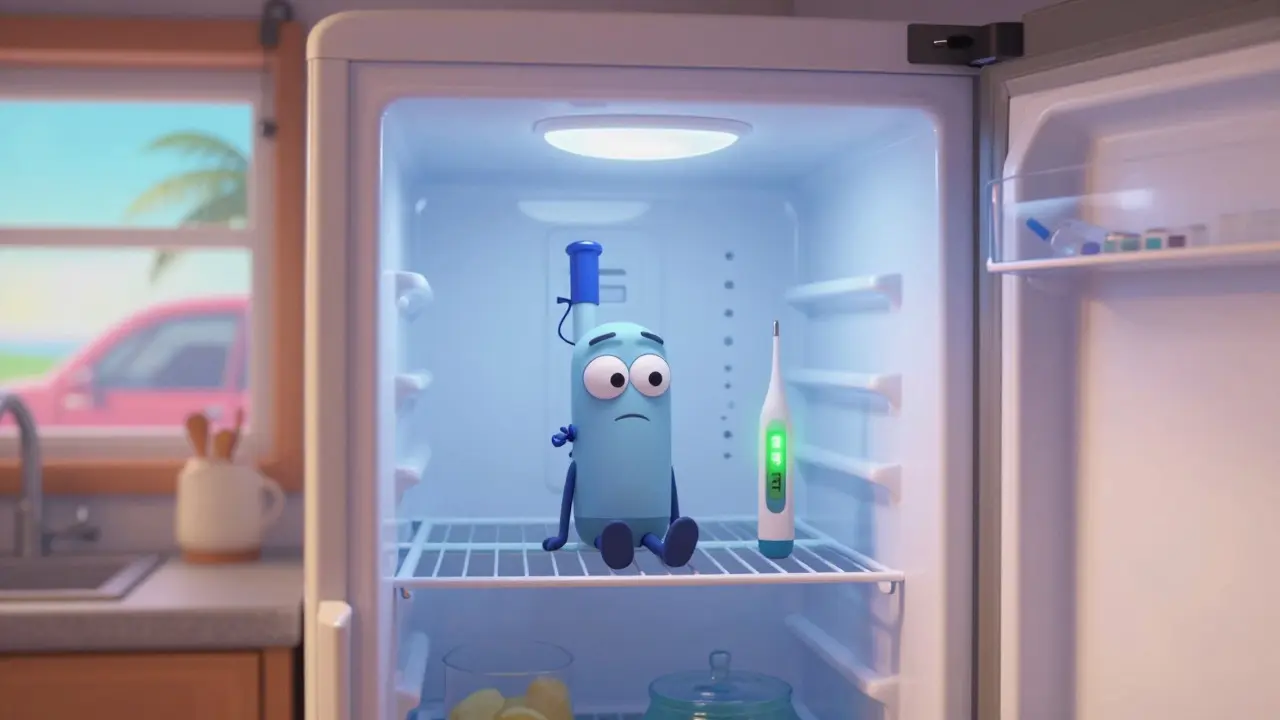
Did you know that leaving your insulin in the car for just two hours can ruin its effectiveness? For millions of people managing diabetes or autoimmune conditions, the fridge isn't just for leftovers; it's a critical piece of medical equipment. Yet, most households don't treat their refrigerator like the precision instrument it needs to be when storing life-saving drugs. The difference between a working dose and a wasted one often comes down to a few degrees Celsius.
If you have been prescribed biologics, vaccines, or certain insulins, you are part of a growing group where medication refrigeration is non-negotiable. According to recent data, about 15-20% of commonly prescribed medications now require strict cold-chain maintenance. This article breaks down exactly how to keep these drugs stable, what happens when they fail, and how to set up your home without breaking the bank.
The Critical Temperature Window
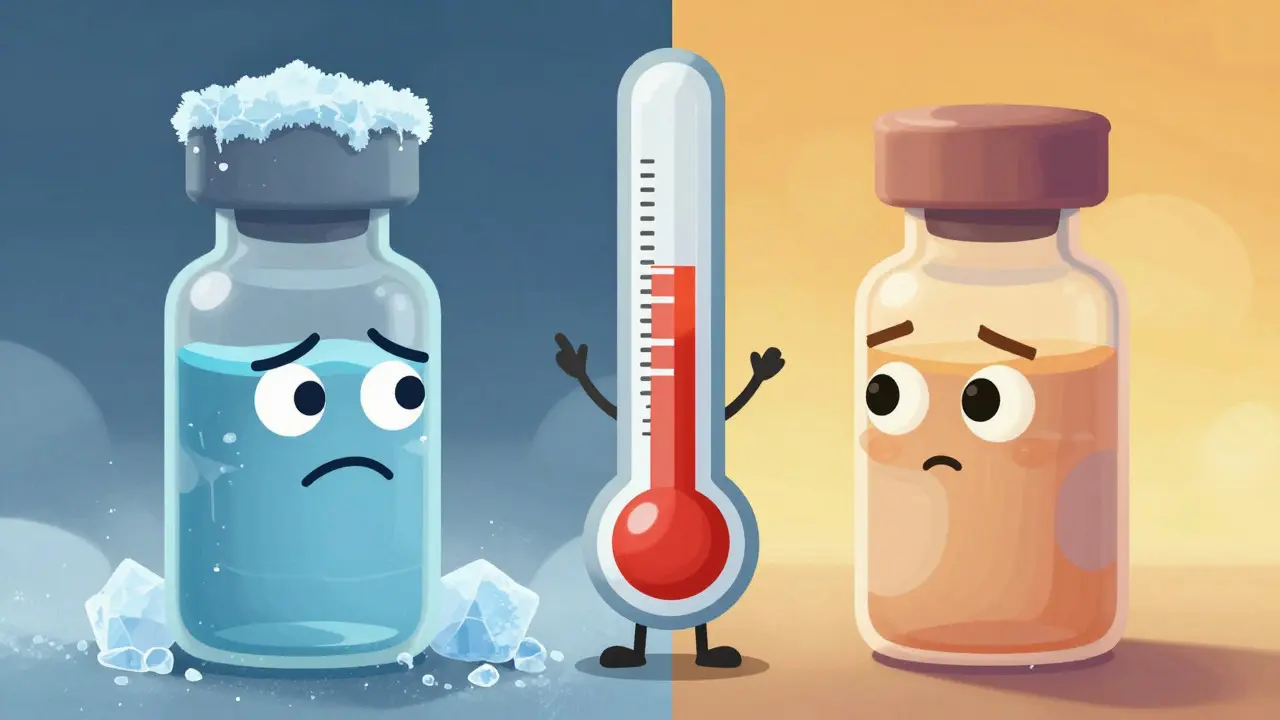
First, let's clear up the biggest misconception: "cold" does not mean "fridge door." The universal standard for pharmaceutical refrigeration, set by the U.S. Pharmacopeia (USP) Chapter <1079> and adopted globally, is a narrow band between 2°C and 8°C (36°F to 46°F). This range is tight for a reason. Below 0°C, protein-based medications freeze, which permanently denatures their structure-think of it like scrambling an egg; you can’t unscramble it. Above 8°C, chemical degradation accelerates rapidly. Some biologics lose half their potency after just 24 hours at room temperature (25°C).
Household fridges are not designed for this precision. A 2022 study in the *Journal of the American Pharmacists Association* found that while the back of the lower shelves might sit at a safe 3.4°C, the door shelves average a dangerous 11.3°C. If you store your medication in the door, you are effectively keeping it at room temperature every time someone opens the fridge.
Which Medications Need the Cold?
Not every pill needs ice. In fact, about 75% of drugs are stable at room temperature (15°C to 30°C). However, specific categories demand the cold chain:
- Insulin Products: Most insulins, like Lantus® or Humalog®, must be refrigerated until first use. Once opened, they can typically stay at room temperature for 28-30 days, but never above 30°C.
- Vaccines: These are the most sensitive. MMR vaccines, for example, remain stable for 24 months in the fridge but only about 7 days at room temperature. They cannot be frozen.
- Biologics: Drugs like Remicade® (infliximab) treat autoimmune disorders. While some allow short-term room temperature storage, long-term stability requires 2°C to 8°C.
- Certain Antibiotics: Liquid suspensions, particularly those for children, often require refrigeration to prevent separation and loss of efficacy.
| Medication Type | Unopened Storage | Opened/In-Use Storage | Freeze Risk |
|---|---|---|---|
| Insulin (e.g., Lantus®) | 2°C - 8°C | Below 30°C for max 28 days | Irrversible damage |
| Vaccines (e.g., MMR) | 2°C - 8°C | N/A (single dose usually) | Irrversible damage |
| Biologics (e.g., Remicade®) | 2°C - 8°C | Up to 30°C for 6 months (check label) | Irrversible damage |
| Standard Antibiotics | Room Temp (15°C - 30°C) | Room Temp | Generally safe if brief |
Setting Up Your Home Fridge Safely
You don't need a $2,500 pharmaceutical-grade unit to start, but you do need strategy. Only 38% of households with refrigerated meds use dedicated units, meaning most of us are relying on standard kitchen fridges. Here is how to make them work for you:
- Find the Sweet Spot: Use a digital thermometer to map your fridge. The middle shelf, away from the door and the back wall (where the cooling element blows), is usually the most stable zone. Avoid the crisper drawers, which can be too humid, and the very top, which is often too warm.
- Keep It Away from Food: Store meds in a dedicated box or bag inside the fridge. This prevents cross-contamination and stops accidental consumption by pets or children.
- Monitor Constantly: A simple min/max thermometer costs under £20. Check it weekly. If you see spikes above 8°C, move the meds immediately.
- Avoid the Door: As mentioned, the door sees the most temperature fluctuation. Keep it as a last resort.
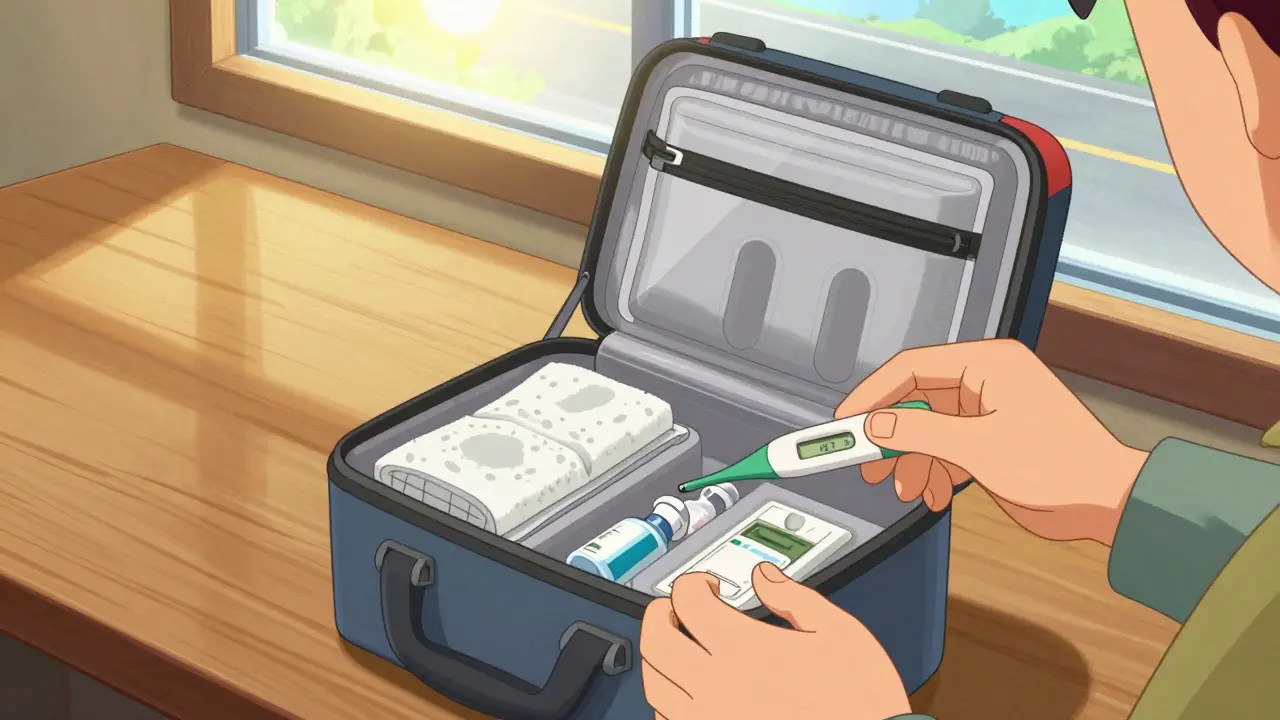
If you travel frequently, consider an insulated cooler with phase-change materials (PCMs). These packs hold temperature better than regular ice, which can freeze your meds solid if they touch directly. Brands like TempAid have validated containers that maintain the 2°C-8°C range for up to 48 hours.
Signs Your Medication Has Failed
Sometimes, the damage is visible. Other times, it’s silent. Watch for these red flags:
- Cloudiness or Clumps: Clear insulin should remain clear. If it looks cloudy or has particles, it may have degraded or frozen.
- Color Changes: Any shift from the original color indicates chemical breakdown.
- Unexpected Side Effects: For diabetics, sudden, unexplained blood sugar spikes or drops can signal that the insulin wasn't potent enough. One user reported a spike to 450 mg/dL after leaving a pump reservoir in a hot car-a dangerous situation that took 12 hours to correct.
- Pump Issues: If your insulin pump clogs more often or delivers inconsistent doses, check the temperature history of your supply.
When in doubt, throw it out. The cost of a new vial is far less than the cost of a hospital visit for diabetic ketoacidosis or a failed vaccine series.
Traveling with Refrigerated Meds
Summer heat is the enemy. If you’re flying or driving, here is the protocol:
- Never Leave in the Car: Even in the shade, a car interior can reach 40°C+ within minutes. Always bring meds into buildings.
- Use Insulated Bags: Pack meds in a hard-sided insulated case. Include gel packs, but wrap them in a towel so they don’t touch the medication directly (preventing freezing).
- Check Airline Rules: Most airlines allow liquid meds in carry-on bags without the 100ml limit, but declare them at security to avoid hassle.
- Hotel Fridge Check: When you arrive, put a thermometer in the hotel fridge for an hour before trusting it with your meds. Many hotel fridges are actually mini-bars that run warmer than standard fridges.
Frequently Asked Questions
Can I freeze my insulin if I forget to take it out of the freezer?
No. Freezing causes irreversible structural damage to insulin proteins. If you see ice crystals in the vial or pen, discard it. Thawing will not restore its efficacy.
How long can insulin stay at room temperature after opening?
Most modern insulins are stable at room temperature (below 30°C) for 28 to 30 days after the first puncture. Always write the date you opened it on the label. After that period, return unused portions to the fridge if they are still sealed, or discard if in-use pens are expired.
Is it okay to store meds in the vegetable drawer?
Generally, no. Vegetable drawers are designed for humidity, not temperature precision. They can fluctuate more than the main compartment and may expose meds to moisture, which can degrade packaging. Stick to the middle shelf.
What should I do during a power outage?
Keep the fridge door closed. A full fridge stays cold for about 4 hours. If the outage lasts longer, move meds to an insulated cooler with pre-frozen gel packs. Monitor the temperature closely once power returns.
Do over-the-counter eye drops need refrigeration?
It depends on the brand. Some preservative-free single-use vials require refrigeration, while others do not. Always check the specific product label. If unsure, ask your pharmacist. Storing them cold can also help reduce stinging upon application.


One comment
finally someone gets it right. in nigeria we dont have these fancy fridges with digital thermostats everywhere so people just guess and pray. my cousin left his insulin in the car during a traffic jam last week and now he is complaining about high sugar but its not the food its the bad med. stop being lazy and buy a thermometer. its cheaper than a hospital bill
This is an incredibly valuable resource for anyone managing chronic conditions! The detail regarding the specific temperature zones within a standard household refrigerator is particularly insightful. Many of us assume that 'cold' is uniform, yet the data suggests significant variance depending on shelf placement. It is encouraging to see such practical advice shared so clearly. I hope this information reaches those who might be unknowingly compromising their medication's efficacy. A well-informed patient is an empowered patient. Let us continue to share these small but vital health tips.
Ooh, did you know that the back of the fridge can actually get *warmer* than the front because of how the cooling fan blows? I checked mine last night and was genuinely shocked. It’s like a tiny climate war inside your kitchen appliance! If you’re storing anything sensitive, do check the corners. It’s wild how much we don’t know about our own fridges until something goes wrong. Anyway, thanks for the reminder to move my EpiPen from the door shelf!
I used to keep my meds in the crisper drawer because it seemed 'safe' and out of sight. Turns out it was way too humid and the temps swung up and down more than I thought. Moved them to the middle shelf and got a little $15 thermometer from amazon. Life changing honestly. Also tip: label the date you open the vial on the actual box with a permanent marker. So easy to forget when you are stressed.
the real issue here is not the fridge but the systemic failure of healthcare infrastructure. why do we rely on household appliances for life saving drugs? it is a philosophical absurdity that we treat biology as fragile while ignoring the social structures that support it. also typos happen when you type fast. anyway the cold chain is a construct of capitalism to sell more devices. think deeper.
You make a good point but i think most people just want simple steps. My mom has been using a mini fridge in her bedroom specifically for her meds. She says it keeps them safer from kids and pets too. It cost less than a new phone case lol. But yeah, checking the temp is key. I always feel better knowing exactly where things are stored.
I’ve been a pharmacist for over ten years, and I still see patients bring in insulin that has been sitting in a glovebox for weeks. It’s heartbreaking. The 'cloudiness' sign mentioned in the article is a classic indicator of degradation, often overlooked until it’s too late. We need to normalize asking pharmacists about storage protocols at the point of prescription, rather than assuming the label covers everything. It’s a small habit change that saves big money later.
In Lagos, power cuts are common. We use battery powered coolers with ice packs wrapped in cloth. Works well if you monitor closely. The humidity is the bigger enemy though. Plastic bags help keep moisture out of the packaging. It is a daily battle but manageable with routine.
ok so i read this and immediately went to check my fridge. turns out my eye drops were in the door shelf next to the milk. yikes. they are preservative free single use ones so i think im ok but scared now. also the part about the car reaching 40c in minutes? true story. i once left a bottle of water in my parked car in july and it felt like lava. meds would definitely cook. glad i moved them to the main shelf before going to work today. phew. close call i think.
The distinction between 'unopened' and 'in-use' storage requirements is critical and often misunderstood. For instance, many patients believe that once a pen is opened, it must remain refrigerated indefinitely, which leads to unnecessary waste or improper handling. Understanding the 28-30 day window for room temperature stability allows for greater flexibility in daily routines, such as carrying a backup pen in a bag without fear of immediate degradation, provided the ambient temperature remains below 30°C. This nuance empowers users to manage their conditions with confidence rather than anxiety.
just a heads up if you travel by plane. declare your meds at security. i had a friend whose liquid insulin was confiscated because she didnt tell them. they let her have it back after showing the prescription but it took 20 mins and she almost missed her gate. always carry the paperwork. saves stress. also the hotel fridge tip is gold. i once put my meds in a hotel minibar and realized it was basically a warm cupboard. never again.