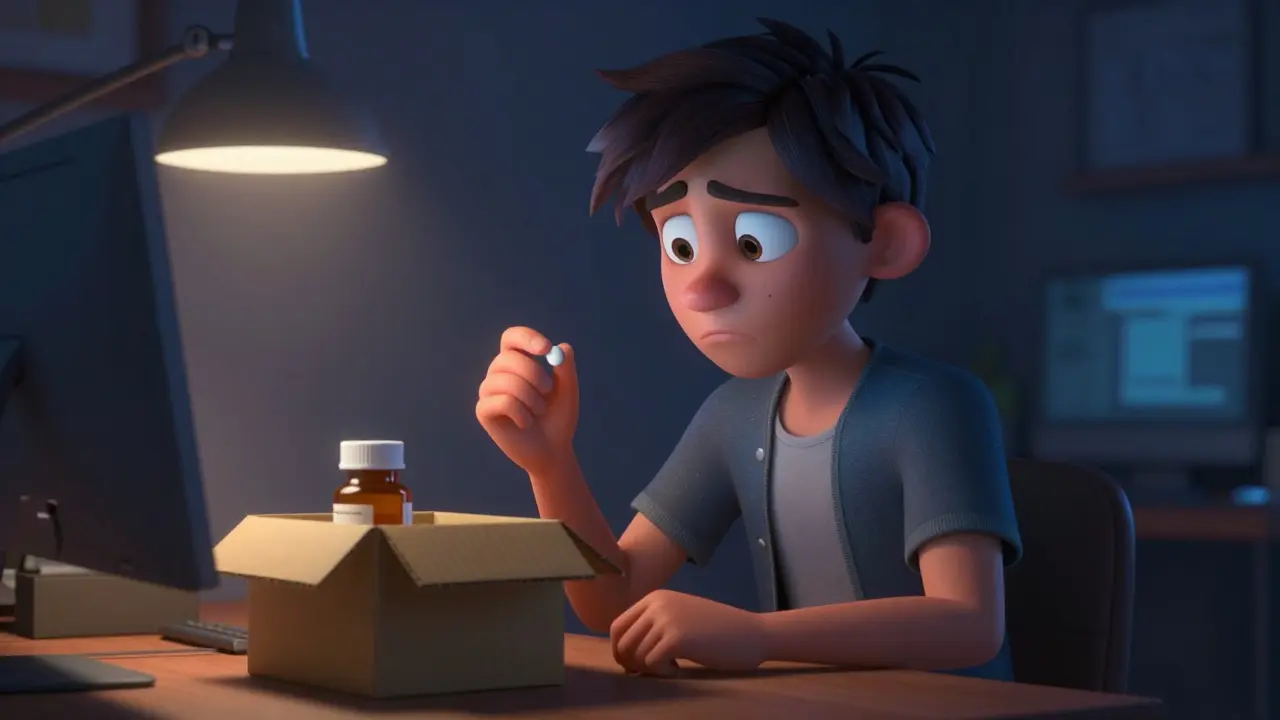
Imagine you’ve just ordered a bottle of generic antibiotics from a website that promised the lowest prices on the internet. The package arrives quickly, but when you take the first pill, you notice it tastes chalky. Two days later, your infection hasn’t improved. Instead, you feel dizzy and nauseous. This isn’t just bad luck-it’s a potential encounter with counterfeit medicines, which are fake products deliberately mislabeled regarding identity, efficacy, safety, or source. These dangerous fakes don't just waste your money; they can cause severe health complications or even death.
The problem is growing fast. According to the World Health Organization (WHO), falsified medical products are increasingly sophisticated, making them hard to spot without lab tests. In Asia alone, more than 50% of counterfeit malaria drugs contain no active ingredient at all. In North America, the DEA seized over 134 million fake pills between early 2023 and late 2024, many containing lethal doses of illicit substances like fentanyl disguised as prescription painkillers. You might think this only happens in unregulated markets, but trusted pharmacies sometimes unknowingly sell these fakes too. The rise of online shopping has made it easier for criminals to reach you directly.
Why Counterfeit Generics Are So Dangerous
Generic drugs are supposed to be identical to brand-name versions in dosage, strength, safety, and effectiveness. They cost less because companies don’t spend millions on initial clinical trials-they just prove their version matches the original. But counterfeiters exploit this trust. They create pills that look right on the outside but fail inside.
A fake generic might contain:
- No active ingredient: Just sugar, starch, or crushed drywall. Your condition won’t improve, and you might miss critical treatment windows.
- Wrong dosage: Too little means no effect; too much can lead to toxicity or overdose.
- Harmful substances: Some fakes include industrial chemicals, heavy metals, or illegal drugs like fentanyl.
The WHO estimates the global market for counterfeit pharmaceuticals hits $200 billion annually-that’s about 10.5% of the entire drug market. As e-commerce grows, so does the risk. A 2023 study found online sales of fake meds rising by 22% each year since 2020. You’re not just buying medicine-you’re playing Russian roulette with your health if you aren’t careful.
Red Flags: How to Spot a Fake Online Pharmacy
You don’t need a lab coat to start protecting yourself. Most online scams follow predictable patterns. Here’s what to watch for before you click “Buy Now.”
1. No Valid Prescription Required
Legitimate pharmacies always require a prescription from a licensed healthcare provider. If a site lets you buy controlled substances-like antibiotics, ADHD meds, or erectile dysfunction drugs-without talking to a doctor, run away. The National Association of Boards of Pharmacy (NABP) found that 88% of illegal online pharmacies skip this step entirely.
2. Prices That Seem Too Good to Be True
If a site offers a 90-day supply of name-brand or generic drugs for half the price of local pharmacies, something’s off. Real costs include manufacturing, quality control, shipping, and regulatory compliance. Deep discounts usually mean the product was never properly made-or it doesn’t exist at all.
3. Missing Contact Information
A legitimate pharmacy will list a physical address and phone number. Check if the address exists using Google Maps Street View. Call the number during business hours. If there’s no answer, or it goes to voicemail claiming they’re “closed,” that’s a major red flag.
4. Poor Website Design and Grammar Errors
Scam sites often use cheap templates with spelling mistakes, broken links, or stock photos. Look closely at the footer. Does it have privacy policy details? Licensing information? Or does it just say “© 2026 All Rights Reserved” with nothing else?
5. Unsolicited Emails or Ads
Did you get an email offering cheap meds after searching for symptoms online? Legitimate pharmacies don’t spam people. These messages often come from domains mimicking real brands but with slight misspellings (e.g., “amazom-pharmacy.com”).
The .Pharmacy Domain: Your Best Friend
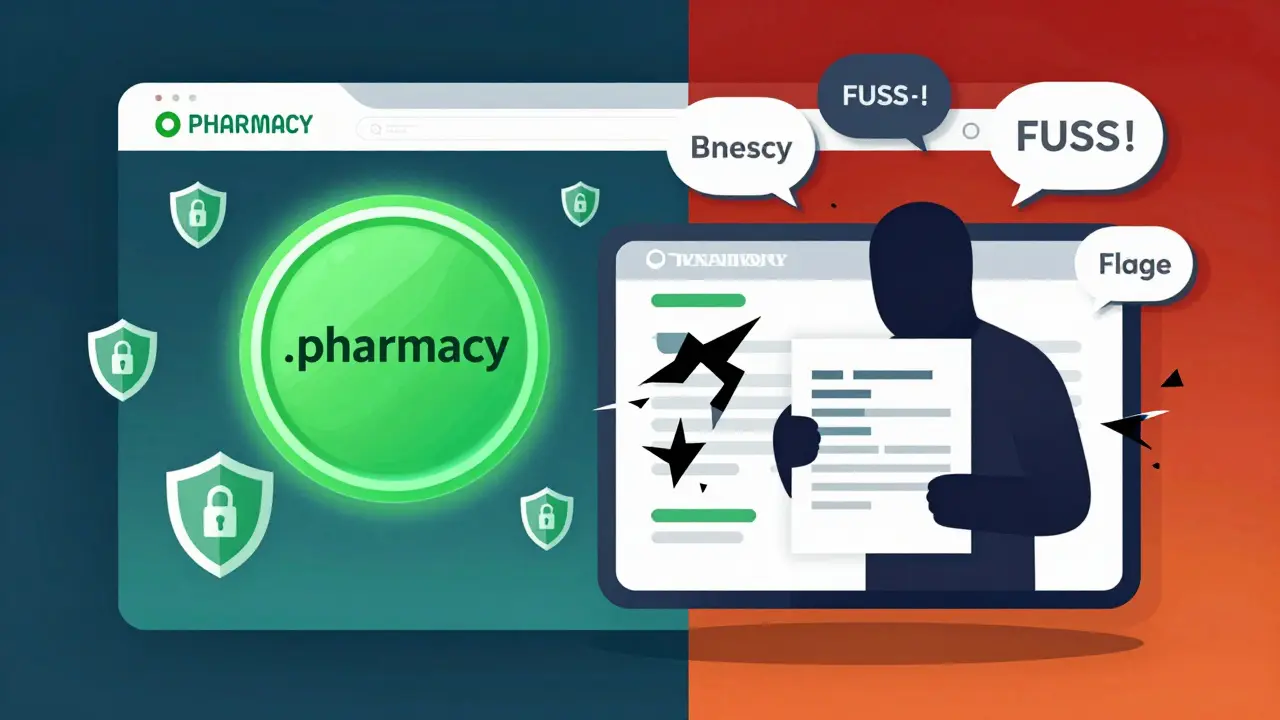
In 2018, the NABP launched the .pharmacy Verified Websites Program, a secure domain extension reserved exclusively for verified, compliant online pharmacies. This is one of the most reliable ways to verify legitimacy.
Only pharmacies that pass strict checks-including licensing verification, prescription requirements, and data security standards-can use the .pharmacy domain. Amy Callanan, Global Intelligence Lead at Pfizer Global Security, advises consumers to “look for the '.pharmacy' domain” as a key indicator of safety.
As of September 2023, Trustpilot reviews showed verified .pharmacy sites averaging 4.7 out of 5 stars across over 1,200 reviews. Unverified sites averaged just 2.1 stars, with common complaints including mismatched packaging and unexpected side effects.
If a site uses .com, .net, or .org instead of .pharmacy, double-check its credentials. Many scammers copy the layout of legitimate sites but change the domain slightly to trick users.
Visual Checks: What to Look For When the Package Arrives
Even if you bought from a seemingly trustworthy source, always inspect your medication upon arrival. While experts say lab testing is the only way to confirm authenticity 100%, there are visual clues that can raise alarms.
Compare Packaging Side-by-Side
Keep an old box or photo of your previous purchase. Compare font style, color shades, logo placement, and manufacturer name. Even small changes-like a slightly different shade of blue or a blurry barcode-can signal a fake.
Check the Pill Itself
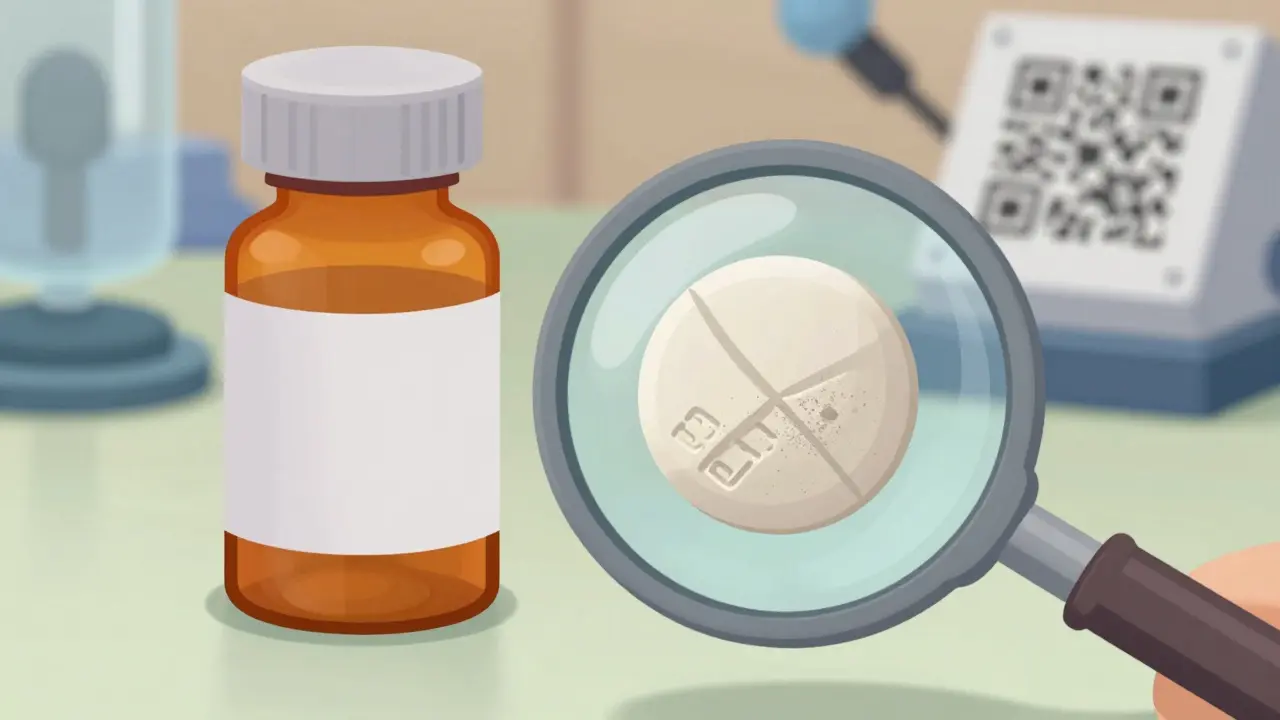
Look at the imprint code (letters/numbers stamped on the pill). Use the FDA’s Pill Identifier tool online to match it against known medications. If the imprint doesn’t match, or the pill looks cracked, discolored, or smells odd, stop taking it immediately.
Test Dissolution (For Oral Tablets)
Some users report that genuine pills dissolve slowly in water (over 20 minutes), while counterfeits may dissolve instantly due to poor binders. This isn’t a perfect test-but if your pill vanishes in seconds, it’s suspicious.
Watch for Adverse Effects
The FDA notes that experiencing new or unusual side effects-like burning eyes after using eye drops, or sudden dizziness from blood pressure meds-can indicate a counterfeit. Keep a symptom journal and share it with your doctor.
Technology Behind the Scenes: How Experts Detect Fakes
While you can’t carry a spectrometer in your pocket, understanding how professionals detect fakes helps explain why vigilance matters. Companies like Pfizer and Bruker use advanced tools to analyze drug composition.
| Method | Use Case | Accuracy | Accessibility |
|---|---|---|---|
| Handheld Raman Spectrometer | Field testing | High for known references | Limited to regulators/pharma |
| FT-NIR Spectroscopy | Bulk analysis | Very high | Lab-based |
| X-ray Diffraction | Powder/formulation analysis | Extremely high | Specialized labs only |
| Track-and-Trace Systems | Supply chain monitoring | Depends on implementation | Growing globally |
| QR Code Verification Apps | Consumer-level check | ~92% accuracy | Available via smartphone |
For example, handheld Raman devices give instant yes/no results-a green checkmark means authentic, a red X means fake. These tools don’t destroy the sample, making them ideal for quick checks. Meanwhile, track-and-trace systems assign unique IDs to every batch, allowing companies to monitor movement from factory to pharmacy.
New tech is emerging too. Smartphone apps like MediGuard scanned 1.2 million products in 2023 with 92.4% accuracy by reading QR codes embedded in packaging. Blockchain pilots by Pfizer showed 99.6% accuracy in verifying supply chains across 15 countries. While these aren’t yet available to everyone, they show where the industry is heading.
What To Do If You Suspect a Fake Drug
If you believe you’ve received a counterfeit medication, act quickly. Don’t wait for symptoms to worsen.
- Stop Taking the Medication Immediately.
- Contact Your Doctor or Pharmacist. Share your concerns and describe any symptoms. They may recommend alternative treatments or further testing.
- Call the Pharmaceutical Company. Provide the lot number and expiration date. Manufacturers track complaints and can tell you if your batch was flagged.
- Report to Authorities. In the U.S., file a report with the FDA MedWatch program. In other countries, contact your national health agency (e.g., TGA in Australia, MHRA in the UK).
- Leave a Review. Warn others on platforms like Trustpilot or Reddit. Your experience could save someone else.
The WHO’s Global Surveillance and Monitoring System (GSMS) collects reports from 141 countries to issue timely alerts. Your contribution helps build a global defense network.
Safer Alternatives: Where to Buy Genuine Generics
You don’t have to pay premium prices to stay safe. Here are smarter options:
- Local Community Pharmacies: Most accept insurance and offer free consultations. Ask your pharmacist about generic equivalents-they’re trained to spot inconsistencies.
- Mail-Order Services Through Insurers: Many plans partner with certified mail-order pharmacies that deliver directly to your door. These are regulated and tracked.
- Telehealth Platforms With Integrated Pharmacies: Services like TeladMed or Ro connect you with doctors who prescribe through vetted channels. Everything stays within legal boundaries.
- Price Comparison Tools: Sites like GoodRx or RxList help find discounts at legitimate retailers without risking fraud.
Avoid peer-to-peer marketplaces, social media ads, or forums selling “discount meds.” No matter how convincing the story sounds, if it bypasses standard regulations, it’s risky.
Can I trust online pharmacies that ask for a prescription?
Not necessarily. Some scam sites fake the process by asking for minimal info or accepting self-diagnosis forms. Always verify the pharmacy’s license through official registries like the NABP’s VIPPS program or your country’s health authority. A real prescription should involve a licensed clinician reviewing your medical history-not just filling out a questionnaire.
Are all generic drugs cheaper than brand names?
Generally yes, but not always. Pricing depends on competition, patent status, and regional regulations. However, extreme discounts-especially below wholesale cost-are warning signs. Legitimate generics cost less due to efficiency, not because they’re inferior. If a price seems unrealistically low, question the source.
What should I do if my pill looks different from last time?
Don’t panic-manufacturers occasionally change suppliers or formulations. Contact your pharmacist first. They can confirm whether the change is authorized. If unsure, compare the imprint code with the FDA database or call the manufacturer. Never assume it’s fake without verification, but never ignore significant differences either.
Is it safe to buy generic medications from international websites?
It depends on regulation. Countries with strong oversight (like Canada, UK, Australia) allow cross-border sales under certain conditions. But many nations prohibit importing prescription drugs without approval. Even then, ensure the site is licensed in both countries. Without proper oversight, you risk receiving substandard or falsified products with no recourse.
How can I report a suspected counterfeit drug?
In the U.S., submit a report via FDA MedWatch online form or call 1-800-FDA-0131. Include photos, packaging, lot numbers, and symptoms. Internationally, contact your national health agency (e.g., Health Canada, EMA in Europe). Reporting helps authorities trace sources and issue public warnings faster.
Protecting yourself starts with awareness. You don’t need to become a chemist-just stay alert, verify sources, and trust your instincts. When in doubt, talk to your pharmacist. They’re your best ally in navigating the complex world of modern medicine safely.