
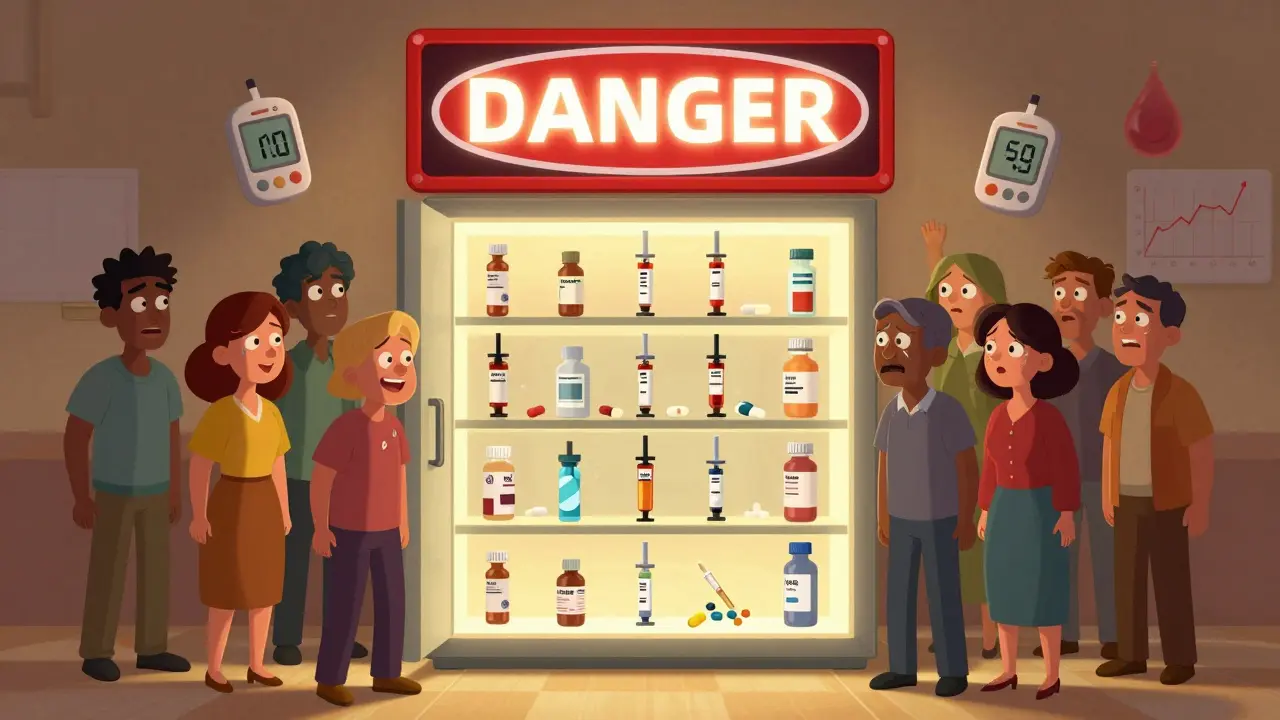
Managing diabetes isn’t just about taking pills or injecting insulin-it’s about staying safe while doing it. Every year, thousands of people end up in emergency rooms because of avoidable mistakes with their diabetes meds. Some take too much insulin. Others don’t realize their blood sugar is dropping while they sleep. A few start a new antibiotic and suddenly feel dizzy, confused, or faint. These aren’t rare accidents. They’re predictable risks-and they’re preventable.
What’s Actually in Your Medicine Cabinet?
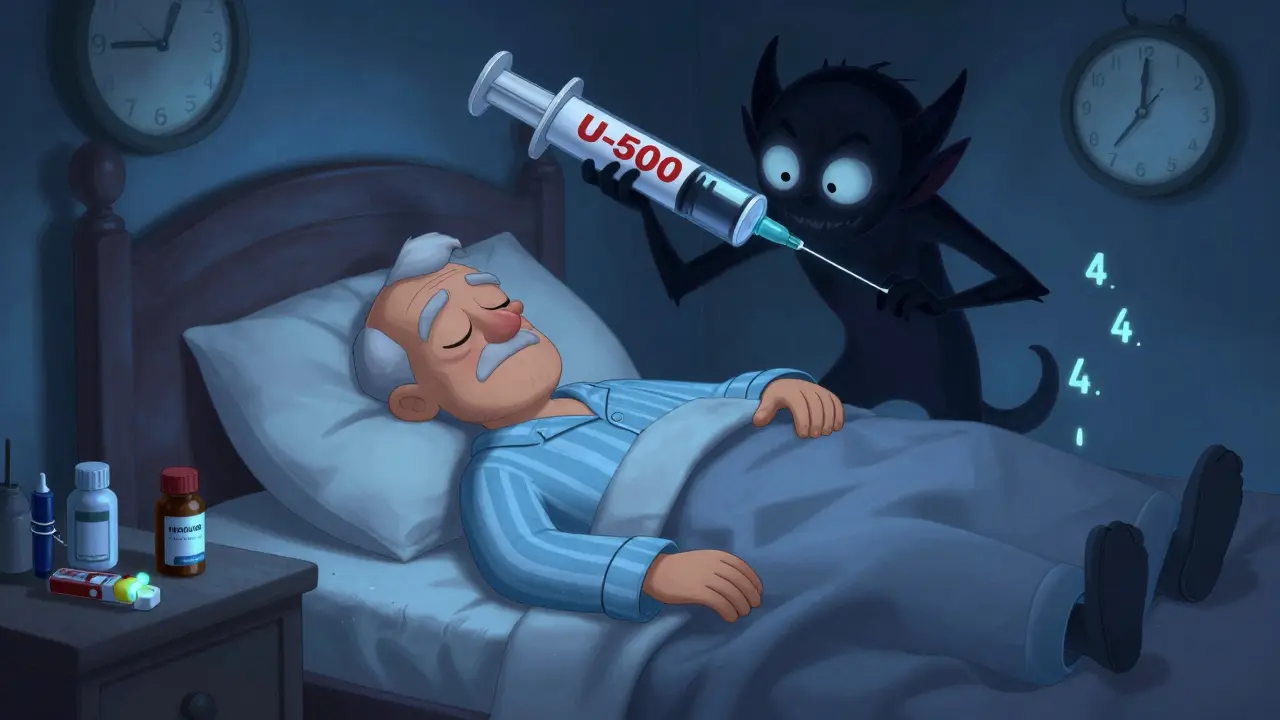
There are two main types of diabetes medications: insulin and oral (or injectable) agents. Insulin replaces what your body no longer makes, mostly in type 1 diabetes. Oral agents help your body use insulin better, make more of it, or stop your liver from spitting out too much sugar. They’re mostly used in type 2 diabetes.Insulin comes in five forms: rapid-acting (like lispro or aspart), short-acting (regular insulin), intermediate-acting (NPH), long-acting (glargine, detemir, degludec), and concentrated versions like Humulin R U-500. U-500 is five times stronger than regular insulin. If you mistake it for regular, you can overdose dangerously. That’s not theoretical. YouTube videos from nurses show patients accidentally injecting five times the dose because they didn’t know the difference.
Oral agents? There are ten classes. The most common is metformin-taken by over 80 million people in the U.S. alone. Then come sulfonylureas like glipizide and glyburide, which force your pancreas to pump out more insulin. But here’s the catch: they’re the leading cause of low blood sugar among pills. About 20-40% of people on these drugs have at least one hypoglycemic episode a year. One in 20 ends up needing help from someone else because they pass out or can’t think straight.
The Hidden Danger: Low Blood Sugar
Hypoglycemia is the #1 safety issue with diabetes meds. It’s not just about feeling shaky or sweaty. Severe low blood sugar can cause seizures, coma, or even death. And it doesn’t always come with warning signs. Studies using continuous glucose monitors show that 30% of people with type 2 diabetes on sulfonylureas have silent nighttime drops-no symptoms, no warning. They wake up with a headache, confused, or worse.Older adults are especially at risk. At 65+, your body doesn’t react to low sugar the same way. You might not feel your heart racing or your hands trembling. But your brain still gets starved of glucose. That’s why dizziness and lightheadedness from meds can lead to falls, broken hips, or head injuries. Banner Health data shows nearly 25% of hospitalizations from diabetes meds involve people over 65.
What makes it worse? Drug interactions. Antibiotics like sulfamethoxazole/trimethoprim can boost insulin’s effect. Blood pressure drugs like beta-blockers can hide the symptoms of low sugar. Even common painkillers like NSAIDs can raise the risk. If you’re on insulin or sulfonylureas, always check with your pharmacist before starting anything new-even an over-the-counter cold pill.
Metformin: The Safe Starter? Not Always
Metformin is called the first-line treatment for good reason. It doesn’t cause low blood sugar. It doesn’t make you gain weight. It might even lower your risk of heart disease. But it’s not harmless.It’s cleared by your kidneys. If your kidney function drops, metformin builds up in your blood. That can lead to lactic acidosis-a rare but deadly condition where your body produces too much acid. The FDA says don’t use metformin if your eGFR is below 30. Use it with caution if it’s between 30 and 45. And if it’s between 45 and 60, cut your dose in half. Many doctors skip checking eGFR before prescribing. Don’t let that be you. Ask for your kidney number before starting-or if you’ve been on it for years.
Also, don’t take metformin if you’re getting contrast dye for a CT scan. You’ll need to pause it for 48 hours after the test. Most patients don’t know this. Hospitals often forget to tell them. That’s how preventable emergencies happen.
Newer Drugs, New Risks: SGLT2 Inhibitors and GLP-1 Agonists
Drugs like empagliflozin (Jardiance), dapagliflozin (Farxiga), and semaglutide (Ozempic) are popular now. They’re great for your heart and kidneys. But they come with hidden dangers.SGLT2 inhibitors increase your risk of genital yeast infections-about 4-5% of users get them. That’s more than double the placebo rate. They also raise the risk of diabetic ketoacidosis (DKA), even when your blood sugar isn’t high. This is called euglycemic DKA. It’s sneaky. You feel nauseous, tired, breathless. You think it’s the flu. But your body is burning fat like crazy. The FDA issued a boxed warning for this. AACE guidelines say stop SGLT2 inhibitors at least 24 hours before any surgery-even a dental procedure. If you’re scheduled for surgery, tell your surgeon you’re on one of these drugs. If you don’t, you could end up in the ICU.
GLP-1 agonists like semaglutide and liraglutide cause nausea and vomiting in 30-50% of users, especially at first. Many quit because they feel sick. But if you keep going, side effects usually fade. Still, if you’re vomiting constantly, you can get dehydrated. That’s dangerous if you’re also on an SGLT2 inhibitor-it can trigger DKA.
Insulin Mistakes That Kill
Insulin isn’t just about dose. It’s about technique. Injecting into muscle instead of fat? That makes insulin absorb too fast. You get a spike, then a crash. Using the same spot over and over? You build up scar tissue. That messes up absorption. You think your insulin isn’t working-but it’s just not getting into your blood right.And don’t mix up your pens. U-100 insulin is standard. U-500 is five times stronger. If you grab the wrong pen, you’re giving yourself a massive overdose. There are documented cases of people dying from this. Always check the label. Keep pens labeled. Store them separately. If you’re on U-500, carry a card in your wallet that says: “I use concentrated insulin. Do not give me regular insulin.”
Also, never share insulin pens-even if you think the needle is clean. That’s how hepatitis and HIV spread. One needle, one person. Always.
What You Can Do Right Now
Safety doesn’t happen by accident. It happens with habits.- Keep a written log: What you took, when, and how you felt. Include any dizziness, sweating, or confusion.
- Check your blood sugar before driving, cooking, or operating machinery. Low sugar can kill you behind the wheel.
- Wear a medical ID. It says “Diabetic on insulin/oral meds.” Emergency responders need to know.
- Teach someone close to you how to give glucagon. It’s a lifesaving shot for severe low blood sugar. Many people don’t know it exists.
- Ask your doctor: “What’s my eGFR?” and “Could any of my meds interact with this new pill?”
- If you’re over 65, ask if your dose is too high. Tight control isn’t always better for older adults.
And if you’re on an SGLT2 inhibitor, avoid very low-carb or keto diets. They increase DKA risk. Skip alcohol when you’re on sulfonylureas. It can make low blood sugar worse and harder to spot.
When to Call for Help
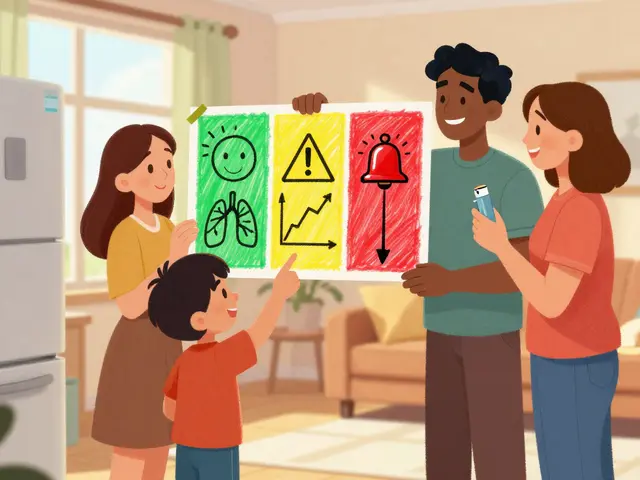
You don’t need to guess when something’s wrong. Here’s when to act:- Confusion, slurred speech, or seizures-call 999 immediately.
- High ketones (tested with urine strips) + nausea + deep breathing-go to A&E.
- Repeated low blood sugar episodes (below 4 mmol/L) even after eating-talk to your doctor.
- Swelling in legs, feet, or face while on SGLT2 inhibitors-could be a sign of Fournier’s gangrene, a rare but deadly infection.
- Any new rash, itching, or pain in genital area-could be yeast infection or worse.
Don’t wait. Don’t think it’ll pass. Diabetes complications don’t wait either.
The Bottom Line
There’s no perfect diabetes medication. Every drug has trade-offs. The goal isn’t to avoid all risk-it’s to know your risks and manage them. Metformin is safe for most, but not if your kidneys are failing. Sulfonylureas work well, but they’re dangerous if you’re elderly or forget to eat. SGLT2 inhibitors protect your heart, but they can sneak up on you with ketoacidosis.Knowledge is your best tool. Ask questions. Track your numbers. Tell your care team about every pill you take-even supplements. And never assume your doctor knows everything about your meds. You’re the one living with them. You’re the one who needs to be in control.
Can I stop my diabetes meds if I lose weight?
Some people with type 2 diabetes can reduce or even stop meds after significant weight loss and improved diet-but never do this on your own. Stopping insulin or sulfonylureas suddenly can cause dangerous spikes in blood sugar. Work with your doctor to safely adjust your treatment plan. Even if you feel better, your body’s needs may still require some medication. Monitoring is key.
Are generic diabetes drugs as safe as brand names?
Yes, generics are required by law to be bioequivalent to brand-name drugs. That means they work the same way in your body. Metformin, glipizide, and insulin generics are widely used and safe. But always check the label for strength and type. Some people report slight differences in how they feel on different brands-but this is usually due to inactive ingredients, not the active drug. If you notice changes after switching, talk to your pharmacist or doctor.
Why do I feel sick after starting a new diabetes pill?
Nausea, vomiting, or diarrhea are common when starting GLP-1 agonists like Ozempic or Trulicity. These side effects usually improve after a few weeks as your body adjusts. If symptoms are severe or last more than two weeks, contact your doctor. For SGLT2 inhibitors, feeling thirsty or urinating more often is normal. But if you also feel dizzy, weak, or have fruity-smelling breath, it could be early ketoacidosis-seek help immediately.
Can I drink alcohol with diabetes medications?
Alcohol can lower blood sugar, especially when combined with insulin or sulfonylureas. It can also mask the symptoms of low blood sugar, making it harder to recognize. If you drink, do so with food and limit yourself to one drink per day. Never drink on an empty stomach. Avoid sugary mixers. If you’re on an SGLT2 inhibitor, alcohol increases your risk of ketoacidosis. Talk to your doctor before drinking at all.
How do I know if my insulin is working right?
Check your blood sugar before meals and two hours after. If your numbers are consistently high or low despite taking your dose, something’s off. It could be wrong injection technique, expired insulin, or a bad pen. Insulin should be stored properly-unopened in the fridge, opened at room temperature for up to 28 days. Never use cloudy or clumped insulin. If your blood sugar doesn’t respond as expected, review your technique with a nurse or educator. Don’t guess-get help.
What Comes Next
The future of diabetes care is smarter tools: automated insulin delivery systems that adjust doses in real time, apps that warn you of low sugar before it happens, and drugs that target multiple pathways at once. But no technology replaces your awareness. You still need to know your numbers, your meds, and your body’s signals.Don’t let fear stop you from managing your diabetes. But don’t let routine make you careless. Every pill, every injection, every test is part of a safety system. Build that system with care. Ask for help. Stay informed. And remember: the goal isn’t just to live with diabetes-it’s to live well with it.



One comment
Just wanted to say this post saved my life 🙏 I was mixing up my U-500 and U-100 pens until I read this. Now I label everything with neon tape and keep them in different drawers. Also, I carry that wallet card you mentioned - my mom even made me a little keychain with it. You’re not alone out there. 💪❤️
Let’s be clear: the FDA’s guidelines on metformin and eGFR are not suggestions-they are non-negotiable medical mandates. Yet, I’ve seen primary care physicians prescribe it to patients with eGFRs of 42 without a second thought. This isn’t negligence-it’s systemic malpractice. And don’t get me started on the fact that pharmacies still don’t require a kidney function lab result before filling these scripts. Someone needs to sue. Someone MUST sue.
Okay but have you seen the pharma ads for Ozempic? They make it look like a magic weight-loss fairy dust. Meanwhile, your grandma’s on sulfonylureas and wakes up with a headache and no memory of how she got to the kitchen. This whole system is rigged. Big Pharma doesn’t want you to know how dangerous these drugs are-they just want you to keep buying them. And don’t even get me started on the contrast dye thing. They don’t tell you because they don’t want you to cancel your scan.
Insulin mistakes kill. End of story.
This is the kind of clarity we need in healthcare. Not just facts-but context. I’ve coached dozens of patients through insulin confusion, and the single biggest issue? Lack of visual aids. A simple diagram of insulin types with color-coded pens? That should be standard in every pharmacy. And yes-glucagon training should be mandatory, like CPR. You wouldn’t let someone drive without a license. Why let them manage insulin without a safety plan?
U-500? I thought that was just a myth. Then my cousin’s husband died last year. He was diabetic. Took ‘regular’ insulin. Turned out it was U-500. The hospital said he ‘overdosed.’ But no one ever told him the difference. No one ever showed him the label. He was 47. That’s not a tragedy-it’s a crime.
Brothers and sisters, I’m from Nigeria, and I’ve seen people here use insulin from unmarked bottles because they can’t afford the labels. They use the same needle for three people because they’re sharing. This post? It’s not just for America. It’s for every corner of the world where diabetes care is a luxury. Please share this. Print it. Translate it. Send it to someone who can’t afford a doctor. Knowledge is the only medicine they can’t be denied.
sugary mixers bad alcohol bad but also dont forget metformin can cause vitamin b12 deficiency over time like seriously like its not just about sugar its about your nerves your brain your whole body you need to get checked every year no one tells you this but its true
so like… i’ve been on metformin for 8 years and my kidneys are fine but i still feel like my brain is foggy all the time? is that the lactic acidosis or am i just… tired? also why does my pee smell like fish now???
Why are we letting Big Pharma dictate how we treat diabetes? In America, we have the best tech, the best drugs, the best doctors-and yet people still die from simple mistakes. It’s not the meds. It’s the system. We need national education standards. Mandatory pharmacist counseling. Period.
Just a quick tip for anyone on SGLT2 inhibitors: if you’re scheduled for ANY procedure-even a root canal-ask your doctor to pause it 24 hours before. I had a patient who didn’t, went in for a tooth extraction, woke up in DKA with ketones so high the machine couldn’t read them. She’s fine now, but she spent 5 days in ICU. Don’t be that person. Your dentist doesn’t know your med list. You have to speak up.
my cousin took glipizide and passed out in the shower. they found her with the soap still in her hand. no one knew she had diabetes. no medical ID. no one knew what glucagon was. now i carry two glucagon pens in my purse. i dont care if i look weird. i’d rather be weird than bury someone i love.
glucagon is expensive and hard to get in rural areas and most doctors dont know how to prescribe it properly so its useless advice if you live in a place without a pharmacy that stocks it
So let me get this straight… we’re supposed to trust a system that gives us five types of insulin, ten classes of pills, and zero standardized labeling… but we’re the ones being irresponsible when we mess up? 😂