
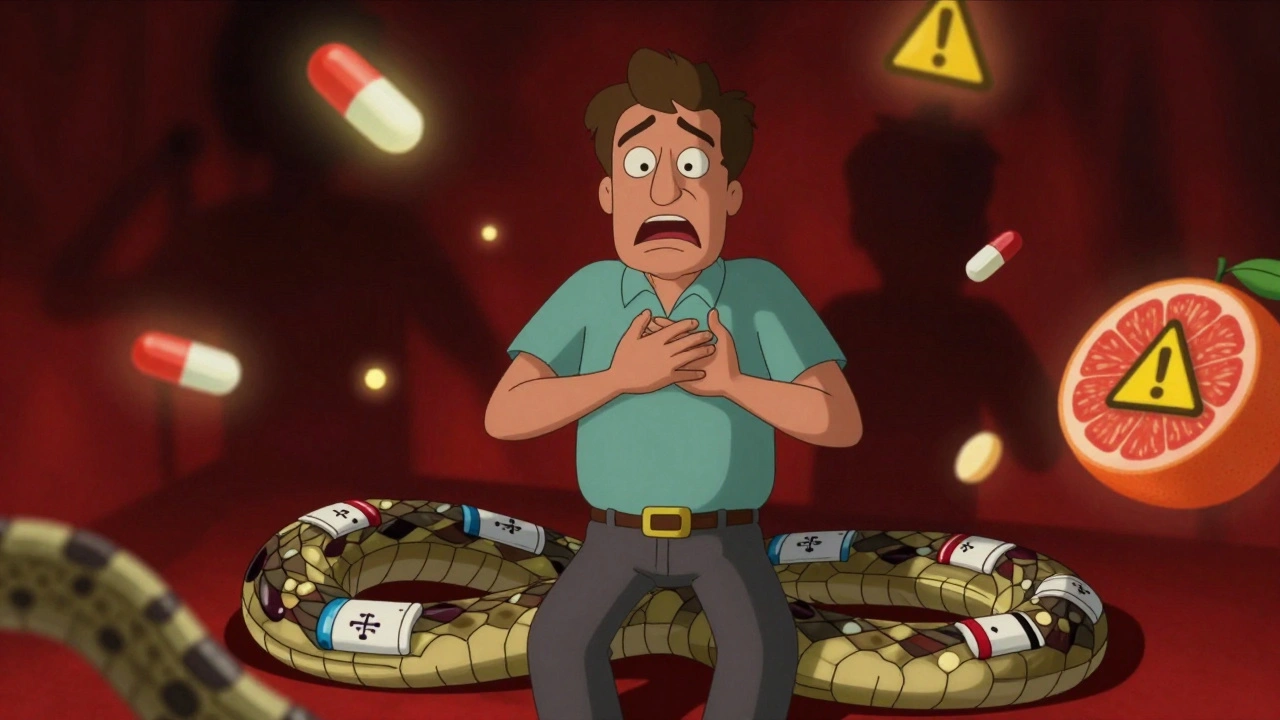
Taking multiple medications is common-especially as you get older or manage chronic conditions. But what happens when those meds start working against each other? A drug interaction can turn a harmless pill into a hidden danger. You might feel off, dizzy, or nauseous, and think it’s just stress or a bad day. But sometimes, it’s your body screaming for help. Knowing when to act could save your life.
What Counts as a Dangerous Drug Interaction?
Drug interactions happen when one substance changes how another works in your body. This could be a prescription drug, an over-the-counter medicine, a vitamin, an herbal supplement, or even food and alcohol. The result? The drug might become too strong, too weak, or trigger side effects you’ve never had before. According to the CDC, over 1.3 million emergency room visits each year in the U.S. are caused by adverse drug reactions-many of them preventable. About 30% of hospitalized patients experience at least one of these reactions, and nearly half could have been avoided with better monitoring. The most dangerous interactions involve drugs with a narrow therapeutic index-medications where even a small change in blood level can cause serious harm. Think warfarin (a blood thinner), digoxin (for heart rhythm), or phenytoin (for seizures). A 20% shift in concentration can mean the difference between control and crisis.Symptoms That Require Immediate Emergency Care
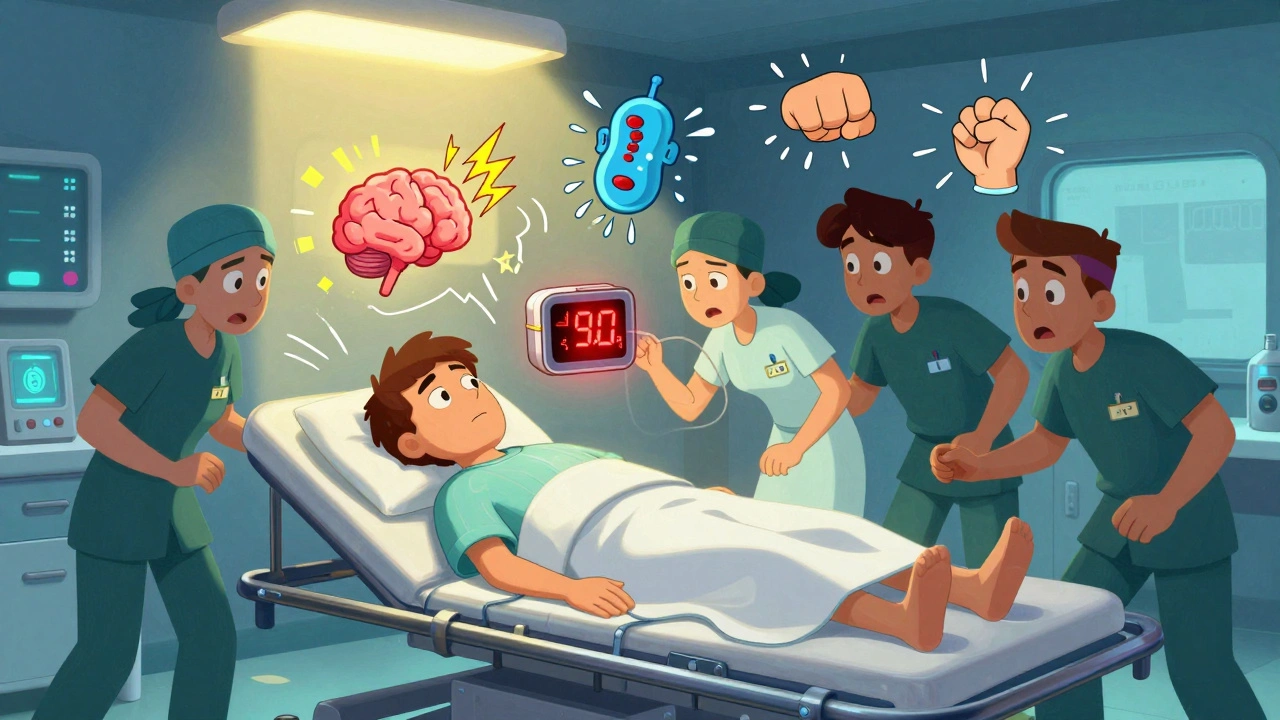
If you’re taking multiple medications and suddenly feel like you’re falling apart, don’t wait. Some reactions escalate fast. Call 911 right away if you have any of these:- Difficulty breathing or oxygen levels below 90% (measured by a pulse oximeter). This can signal anaphylaxis-a life-threatening allergic reaction.
- Swelling of your face, lips, tongue, or throat. If you can’t swallow or speak clearly, airway closure is possible within minutes.
- Heart symptoms: Systolic blood pressure below 90 mmHg with a heart rate over 120 beats per minute. This combination means your body is going into shock.
- Seizures lasting more than 2 minutes or sudden loss of consciousness. This could mean toxicity from drugs like lidocaine or certain antidepressants.
- Extreme fever (above 106°F) with rigid muscles and uncontrollable agitation. This is serotonin syndrome-a rare but deadly reaction from combining antidepressants, pain meds, or even some herbal supplements like St. John’s wort.
- High fever over 104°F, dark urine, and rapid heartbeat while on antipsychotics. That’s neuroleptic malignant syndrome, which can cause kidney failure and death if untreated.
Symptoms That Need Medical Attention Within 24 Hours
Not every reaction crashes your system right away. Some build slowly. But ignoring them can lead to organ damage you won’t even notice until it’s too late. See a doctor within a day if you have:- A widespread rash covering more than 30% of your skin. It might look like red bumps or patches. This could be DRESS syndrome-a severe delayed reaction that can damage your liver, kidneys, or heart.
- Unexplained fever above 101.3°F lasting more than two days. Especially if you’re on antibiotics, anticonvulsants, or anti-inflammatory drugs.
- Unusual bruising or bleeding. If you’re suddenly bruising easily or your gums bleed for no reason, your platelet count may be crashing. This can happen with certain antibiotics or chemotherapy drugs.
- Yellowing skin or eyes, dark urine, or persistent nausea. These are signs your liver is struggling. ALT levels above 120 U/L mean drug-induced liver injury is likely.
- Little or no urine output for six hours, or a sudden rise in creatinine. This could mean your kidneys are shutting down from a drug reaction. About 1 in 5 cases of sudden kidney failure in hospitals are caused by medications.
What to Do When You Suspect an Interaction
If you’re unsure whether what you’re feeling is normal or dangerous, use the STOP protocol:- Stop taking the medication you think caused it-unless your doctor says otherwise.
- Telephone your doctor or pharmacist immediately. Don’t wait for an appointment.
- Observe your symptoms. Write down what you’re feeling, when it started, and how it’s changed.
- Present all your meds-prescription, OTC, vitamins, herbs-at your appointment. Bring the bottles. Don’t rely on memory.
Why People Wait Too Long (And Why That’s Risky)
Most people don’t realize they’re having a drug interaction. They blame fatigue, stress, or aging. A survey by the National Community Pharmacists Association found that 58% of patients waited more than 12 hours to seek help-even when they had severe dizziness or stomach pain. Reddit users in r/Pharmacy shared stories of people who took SSRIs and then got fentanyl for dental work. Within hours, they developed serotonin syndrome: clonus (involuntary muscle jerking), sweating, and confusion. Nearly half ended up in the ICU. And here’s the scary part: 68% of patients can’t recognize warning signs from their own medication leaflets, according to a JAMA Internal Medicine study. The information is there-but it’s buried in tiny print, written in medical jargon, or ignored because it feels overwhelming.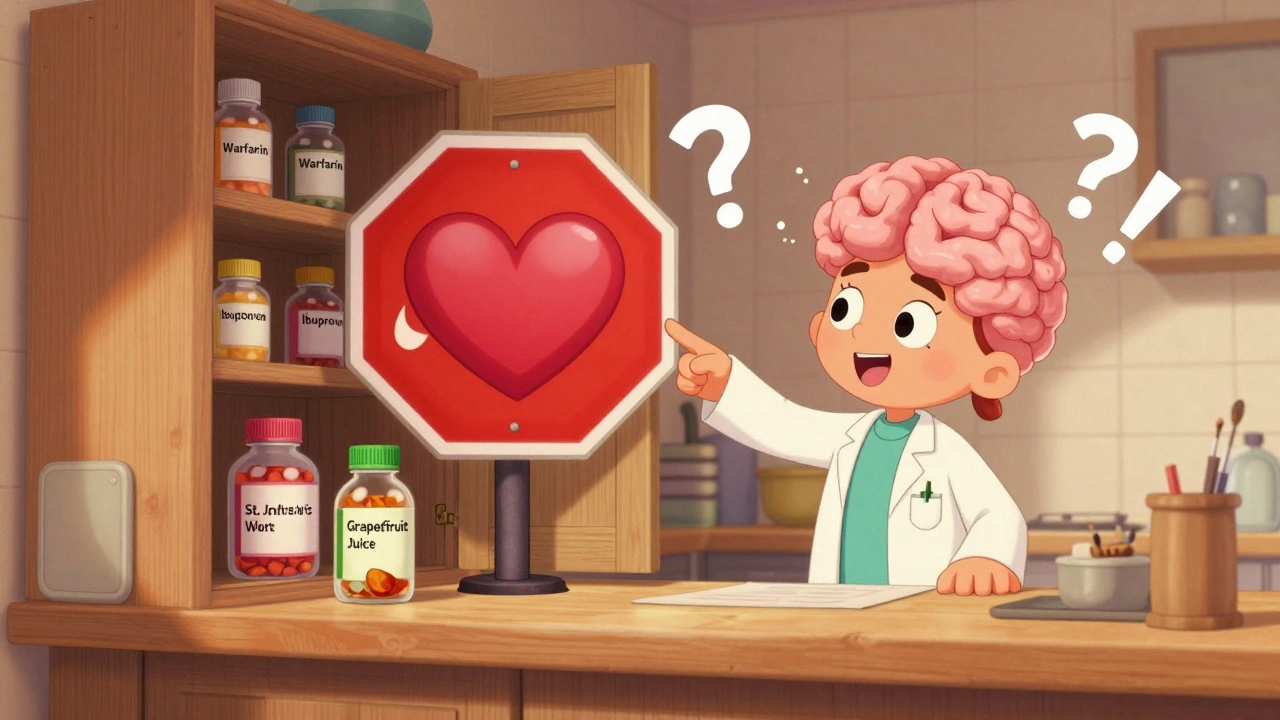
How to Prevent Interactions Before They Start
Prevention is always better than emergency care. Here’s how:- Keep a full list of everything you take: prescriptions, OTC drugs, vitamins, supplements, and even herbal teas. Update it every time something changes.
- Use a drug interaction checker. Drugs.com has a free tool that screens over 24,000 medications. Input everything-even that turmeric capsule you take for joint pain. Herbal supplements cause 18% of serious interactions.
- Ask your pharmacist every time you pick up a new prescription. They’re trained to catch interactions doctors miss.
- Use one pharmacy for all your meds. That way, they can track everything in one system and flag risks.
- Know your high-risk drugs. If you’re on warfarin, digoxin, lithium, or certain seizure meds, be extra careful. Even small changes in diet or other meds can tip the balance.
What Happens When You Get Help
When you go to the doctor with suspected drug interactions, they’ll likely:- Review your full medication list
- Order blood tests to check liver, kidney, and blood cell function
- Look for signs of organ damage or toxicity
- Adjust or stop the offending drug(s)
- Recommend alternatives that won’t clash
Final Thought: Your Voice Matters
You are your own best advocate. No one knows your body like you do. If something feels wrong after starting a new medication-trust that feeling. Don’t second-guess yourself because "it’s probably nothing." Drug interactions don’t always come with warning labels. Sometimes, they sneak in quietly. But when they strike, speed saves lives.Can over-the-counter drugs cause dangerous interactions?
Yes. Common OTC drugs like ibuprofen, naproxen, antacids, and even cold medicines can interact with prescriptions. For example, mixing ibuprofen with blood thinners increases bleeding risk. Antacids can reduce absorption of antibiotics like ciprofloxacin. Even something as simple as grapefruit juice can make cholesterol or blood pressure meds dangerously strong.
Are herbal supplements safe to take with prescription meds?
Not always. St. John’s wort can make antidepressants, birth control, and transplant drugs ineffective. Garlic and ginkgo can thin your blood, increasing bleeding risk during surgery or with anticoagulants. Ginseng can raise or lower blood sugar, interfering with diabetes meds. Herbal doesn’t mean harmless.
Can alcohol interact with my medications?
Absolutely. Alcohol can intensify drowsiness from painkillers, sedatives, or antidepressants. It can damage your liver when combined with acetaminophen. It can spike or drop your blood sugar if you’re on diabetes meds. Even moderate drinking can be risky if you’re on multiple prescriptions.
What if I forget to tell my doctor about a supplement I’m taking?
It happens to everyone. But the earlier you speak up, the better. If you’ve already started a new supplement and feel off, call your doctor. Don’t wait for your next appointment. Many interactions can be reversed quickly if caught early. Your doctor won’t judge-they’ve seen it all.
Can drug interactions happen after years of taking the same meds?
Yes. Your body changes. Your liver and kidneys don’t process drugs the same way at 70 as they did at 40. New health conditions (like kidney disease or thyroid issues) can alter how drugs work. Even adding a new supplement or changing your diet can trigger an interaction you never had before.
Should I stop my medication if I think it’s causing an interaction?
Only if your doctor or pharmacist tells you to. Some drugs can’t be stopped suddenly-like blood pressure meds, antidepressants, or seizure drugs. Stopping abruptly can cause rebound effects that are just as dangerous. Always call first.
Is it safe to use online drug interaction checkers?
Yes, but use them as a tool, not a diagnosis. Tools like Drugs.com and Lexicomp are reliable and updated regularly. But they can’t replace professional advice. If the tool flags an interaction, talk to your pharmacist or doctor. Don’t assume it’s a false alarm.
Can drug interactions affect mental health?
Yes. Combining antidepressants with certain painkillers, migraine meds, or even cough syrups can cause serotonin syndrome, which includes anxiety, confusion, hallucinations, and agitation. Some interactions can worsen depression or trigger mania in people with bipolar disorder. Always tell your mental health provider about every medication you take.

One comment
This is the most important post I've read all year. I almost didn't make it last Christmas because I mixed my blood pressure med with that 'natural' turmeric supplement. My heart felt like it was trying to escape my chest. Don't be like me-listen to this.
The STOP protocol is the only thing that matters. Stop. Telephone. Observe. Present. No exceptions. If you're reading this and you're on warfarin, digoxin, or lithium, you already know how fragile the balance is. No one else will check for you.
I've seen this too many times. People think 'natural' means safe. Then they end up in the ER with their liver on fire. It's not their fault. It's the system. The labels are designed to be ignored.
you know what they dont tell u? the fda lets pharma companies write their own safety data. the whole system is rigged. if u take any med u r basically participating in a human experiment. #pharmacrime
The data cited is statistically sound, but the presentation is alarmist. While serotonin syndrome and NMS are real, the average patient is not at risk unless polypharmacy exceeds five agents. The overemphasis on emergency scenarios creates unnecessary panic and erodes trust in clinical judgment.
I mean… did you really need 2000 words to say don’t mix stuff? I get it. But if you’re taking 7 meds and a smoothie with kale and ginger and ashwagandha and you’re not at least Googling interactions before you swallow… maybe don’t own a body?
I’m a nurse and I still forget to ask patients about their herbal teas. One guy took hawthorn for his heart and didn’t think it counted as a med. He ended up with a dangerous drop in BP. The real problem isn’t the drugs-it’s the cultural blind spot around anything not in a white pill bottle.
We treat the body like a machine with interchangeable parts. But it’s not. It’s a living system shaped by time, diet, stress, and genetics. A drug that was safe at 40 can become lethal at 70-not because the drug changed, but because we did. We need humility, not just checklists.
Drugs.com? That’s amateur hour. Real clinicians use Micromedex or Lexicomp. And if you’re relying on a free website to make clinical decisions, you’re one missed dose away from a coroner’s report. This post is good, but the tools it recommends are dangerously inadequate.
You're not alone. I was terrified to tell my doctor I was taking melatonin with my antidepressant. She smiled and said, 'Thank you for telling me.' That’s the kind of care we need more of. 🙏 You’re doing great just by reading this. Keep going.
I had a friend who ignored the dizziness after starting a new statin. Thought it was 'just aging.' Three weeks later, her kidneys failed. She’s on dialysis now. Don't wait until your body breaks to listen to it.
i used to think my grandpa was being dramatic when he said 'i feel weird' after his meds changed. now i know he was trying to save his own life. just ask. just say something. even if it sounds dumb. it might not be.
So let me get this straight. You’re telling me I can’t drink wine with my blood pressure med? What’s next? No more breathing?
OMG I JUST REALIZED I’VE BEEN TAKING IBUPROFEN WITH MY ANTICOAGULANT FOR 6 MONTHS 😭 I’M GOING TO THE PHARMACY RIGHT NOW. THANK YOU FOR THIS.
This is all a psyop. The FDA and Big Pharma don’t want you to know that most 'interactions' are just side effects they’ve covered up for decades. The real danger? They’re using your fear of pills to sell you more pills. The truth? Your body doesn’t need 8 meds. It needs rest, water, and sunlight.