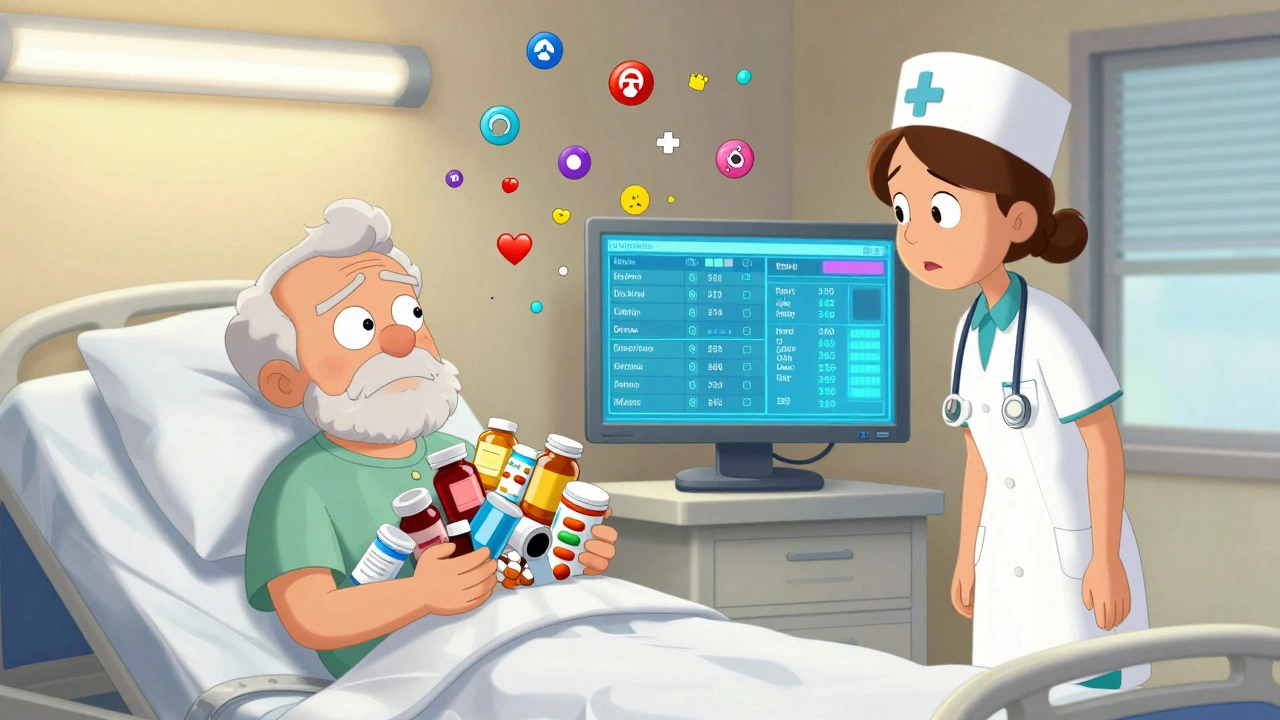
Medication Errors: How to Spot, Prevent, and Fix Common Mistakes
When you take a pill, it’s supposed to help—not hurt. But medication errors, mistakes in prescribing, dispensing, or taking drugs that lead to harm. Also known as drug errors, they happen more often than you think—even in hospitals, and often in your own home. These aren’t just about taking the wrong dose. They’re about mixing pills you didn’t know interact, missing refills, using a teaspoon instead of a syringe for your kid’s medicine, or ignoring warning labels because they’re too small to read.
Drug interactions, when two or more medications react in a way that changes their effect. Also known as medication interactions, it’s one of the biggest hidden dangers. A supplement like goldenseal can make your diabetes drug useless. A common painkiller might turn your blood pressure med into a hazard. And adverse drug reactions, unintended, harmful effects from a drug taken at normal doses. Also known as side effects gone wrong, these aren’t always listed clearly on the label. Swelling, confusion, rashes, or sudden dizziness? It might not be your body—it could be your meds.
Medication reconciliation, the process of comparing your current meds with what you’re supposed to be taking. Also known as med review, it’s the single most effective tool to catch errors before they happen. Most people can’t remember every pill they take, what dose, or why. That’s why doctors and pharmacists need your full list—prescriptions, OTCs, vitamins, herbs. Don’t just say "I take my blood pressure pill." Say the name, the dose, how often, and how long you’ve been on it. Write it down. Bring it to every appointment. Keep it updated.
Medication errors don’t care if you’re young or old, rich or poor. They thrive on distraction, confusion, and silence. A parent using a kitchen spoon. A senior skipping doses because the bottle looks different. A patient afraid to ask if their new pill is safe with their coffee. These aren’t mistakes you should feel guilty about—they’re system failures. And fixing them starts with knowing what to look for.
Below, you’ll find real, practical guides on exactly how to avoid these mistakes. From reading OTC labels like a pro, to spotting when swelling from a drug is dangerous, to knowing when to call 911 for a reaction. You’ll learn how to talk to your care team, protect your kidneys, manage multiple meds, and even spot when a generic drug might be causing an allergic reaction—not because of the active ingredient, but because of a dye or filler you never knew was there. This isn’t theory. These are the steps people actually use to stay safe.