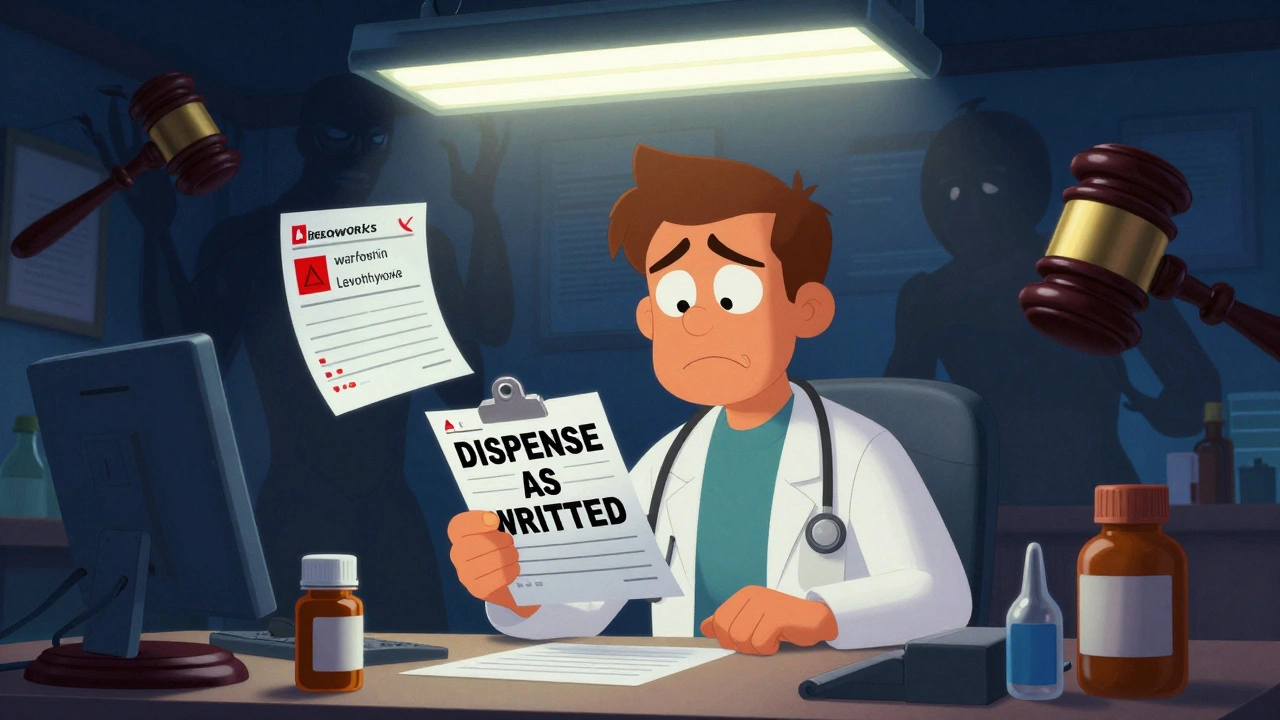
Medical Malpractice: What It Is, How It Happens, and How to Protect Yourself
When you trust a doctor with your health, you expect competence, not carelessness. Medical malpractice, a failure by a healthcare provider to meet the standard of care, resulting in harm to a patient. Also known as healthcare negligence, it’s not always about reckless behavior—it’s often about missed diagnoses, wrong doses, or skipped follow-ups that should’ve been routine. This isn’t rare. Studies show that over 250,000 people die each year in the U.S. from preventable medical errors. That’s the third leading cause of death. Most of these aren’t lawsuits waiting to happen—they’re quiet mistakes that slip through cracks in a broken system.
Medical malpractice isn’t just about surgeons leaving tools inside patients. It’s more often about medication errors, mistakes in prescribing, dispensing, or administering drugs that lead to harm. Think giving the wrong antibiotic to someone allergic, or doubling a diabetes dose because a chart wasn’t updated. It’s also about patient safety, the systems and practices designed to prevent harm during medical care failing—like when a nurse doesn’t double-check a patient’s name before an injection, or a hospital doesn’t track allergies properly. And then there’s doctor negligence, a failure to act with the level of skill and care that a reasonably competent provider would under similar circumstances. That could mean ignoring symptoms, delaying tests, or not referring a patient to a specialist when needed.
What makes this worse is that most patients don’t even know they’ve been harmed. A misread lab result, a missed tumor on an X-ray, or a drug interaction ignored because the chart was cluttered—these aren’t dramatic events. They’re everyday oversights. And if you’re on multiple meds, managing a chronic condition, or seeing several doctors, you’re at higher risk. That’s why knowing how to speak up, ask questions, and keep your own records isn’t just smart—it’s lifesaving. You don’t need to be a medical expert to catch a mistake. You just need to be alert.
Below, you’ll find real-world examples of how these errors happen—and how to avoid them. From reading OTC labels to understanding when a generic drug might trigger an allergic reaction, these posts give you the tools to spot red flags before they turn into crises. You’ll learn how to build a medication action plan with your care team, how to protect your kidneys from harmful drugs, and why using a household spoon to dose your child’s medicine is a dangerous gamble. This isn’t about blaming doctors. It’s about giving you the power to protect yourself when the system falls short.