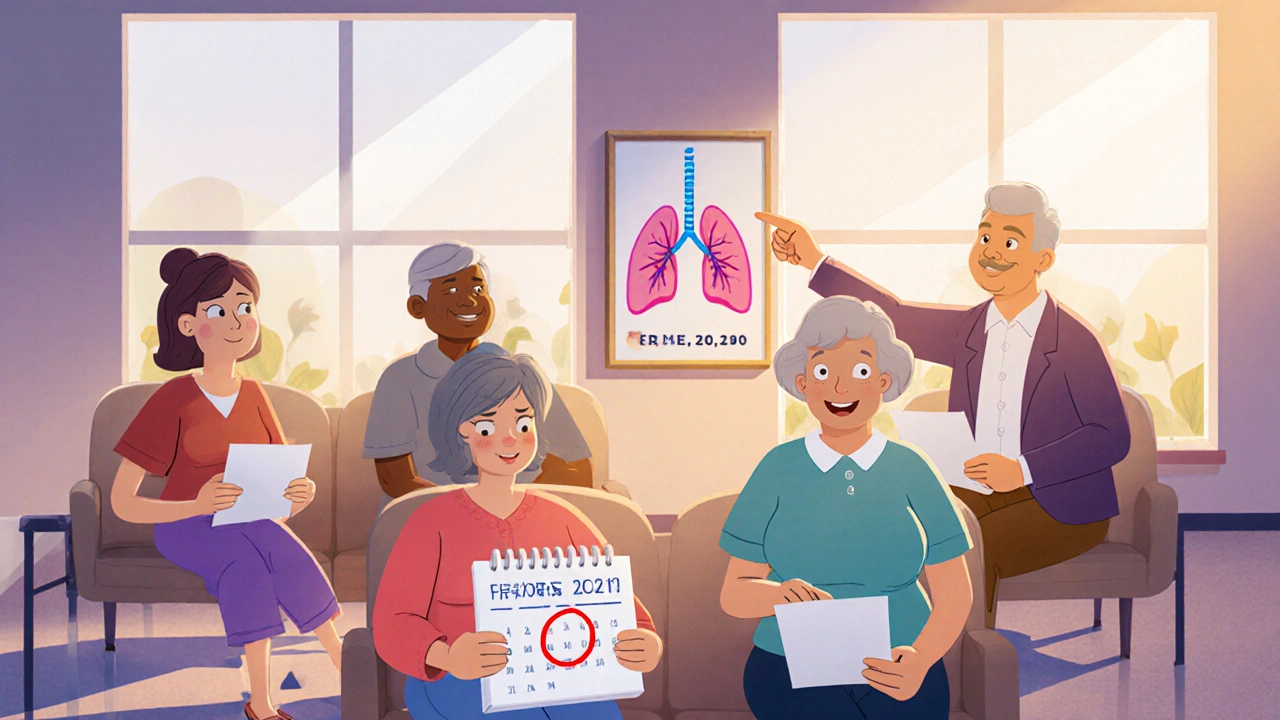
Lung Cancer Screening: What You Need to Know Before You Get Tested
When it comes to lung cancer screening, a preventive medical test designed to find lung cancer before symptoms appear. Also known as low-dose CT screening, it's not a cure—but it’s one of the few tools that can actually catch lung cancer early enough to treat it effectively. Most people don’t realize lung cancer often shows no signs until it’s advanced. That’s why screening isn’t for everyone—it’s for those at highest risk, like current or former smokers over 50.
Screening doesn’t just mean getting a scan. It’s part of a bigger picture that includes low-dose CT scan, a fast, non-invasive imaging test that uses minimal radiation to create detailed pictures of the lungs. This scan can spot tiny growths called pulmonary nodules, small abnormal spots on the lungs that may be benign or cancerous. Not every nodule is cancer, but catching them early gives you options. And if you’re still smoking, screening isn’t a free pass to keep going—it’s a wake-up call. Studies show people who get screened and quit smoking at the same time cut their risk of dying from lung cancer by nearly half.
What you won’t find in most doctor’s offices is a one-size-fits-all approach. Screening guidelines vary slightly depending on your smoking history, age, and other health factors. The U.S. Preventive Services Task Force recommends annual screening for people aged 50 to 80 who have smoked at least 20 pack-years (that’s one pack a day for 20 years, or two packs a day for 10 years) and either still smoke or quit within the last 15 years. If you fit that profile, you’re not just being cautious—you’re taking control.
There’s no magic pill or miracle diet that prevents lung cancer. But catching it early with a simple scan can mean the difference between months and years. The posts below cover real stories and hard facts: how screening results lead to next steps, what false positives really mean, why some people avoid testing even when they should, and how quitting smoking after a positive scan changes outcomes. You’ll also find advice on talking to your doctor, understanding scan reports, and avoiding scams that promise false hope. This isn’t about fear—it’s about knowing your options before it’s too late.