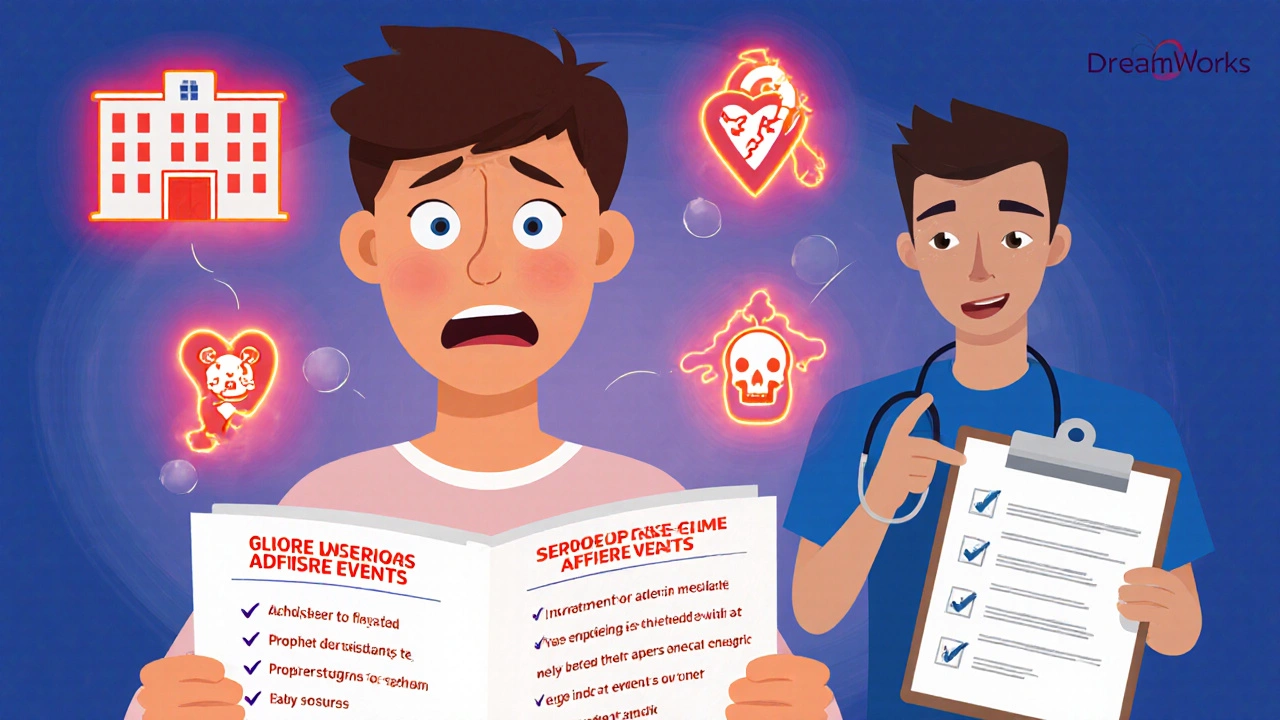
Adverse Events Explained: What They Are and How to Spot the Warning Signs
When you take a medication, your body reacts—not always the way you hope. An adverse event, an unintended and harmful reaction to a medicine taken at normal doses. Also known as adverse drug reaction, it’s not a mistake in dosing—it’s the body saying something’s wrong. This isn’t just a rash or a stomach ache. It’s when a drug you took for one problem starts causing another, sometimes worse one.
Adverse events don’t always come from the active ingredient. Sometimes, it’s the dye, the filler, or the preservative—something you didn’t even know was in the pill. That’s why someone can take a brand-name drug without issue, then have a reaction to the generic version. allergic reactions to generics, triggered by inactive ingredients like lactose or gluten are real and often missed. And when you’re on more than one drug, drug interactions, when two or more medications change how each other works in your body can turn a mild side effect into an emergency. A common blood pressure pill might make your diabetes meds less effective. An antibiotic could make your birth control useless. These aren’t rare edge cases—they happen every day.
Some adverse events show up fast—swelling, trouble breathing, a racing heart. Others creep in over weeks: unexplained weight gain, constant fatigue, or swollen ankles from medication-induced edema, fluid buildup caused by certain heart, diabetes, or pain drugs. You might think it’s aging, or stress, or just bad luck. But it could be your meds. The FDA and doctors track these events because they’re not just inconvenient—they’re deadly. Thousands end up in the ER each year because someone didn’t connect the dots between a new pill and a new symptom.
Knowing the difference between a normal side effect and a real danger saves lives. Nausea from a new antibiotic? Common. A rash that spreads and blisters? Call your doctor now. Drowsiness from a sleep aid? Expected. Sleep-driving while taking it? That’s an adverse event with legal and physical consequences. This collection of posts doesn’t just list problems—it shows you how to recognize them before they escalate. You’ll find real examples: how diabetes meds can wreck your glucose control, why night-shift workers shouldn’t rely on sedatives, and how even something as simple as splitting a pill can go wrong. These aren’t theory pieces. They’re stories from people who learned the hard way—and what they wish they’d known sooner.
If you’ve ever wondered why your doctor asked for your full list of supplements, or why they paused your prescription after you mentioned a new OTC painkiller, now you know. It’s not paranoia—it’s prevention. The posts below break down exactly what to watch for, when to act, and how to talk to your provider so you don’t become a statistic.