
Antidepressant Risk Assessment Tool
Assess Your Risk Factors
This tool helps you understand your individual risk of experiencing suicidal thoughts when starting antidepressants based on key factors.
Crucial Safety Information: Never stop taking antidepressants suddenly. If you experience suicidal thoughts, contact your doctor immediately or call emergency services. Do not adjust your medication without professional guidance.
Recommended Actions:
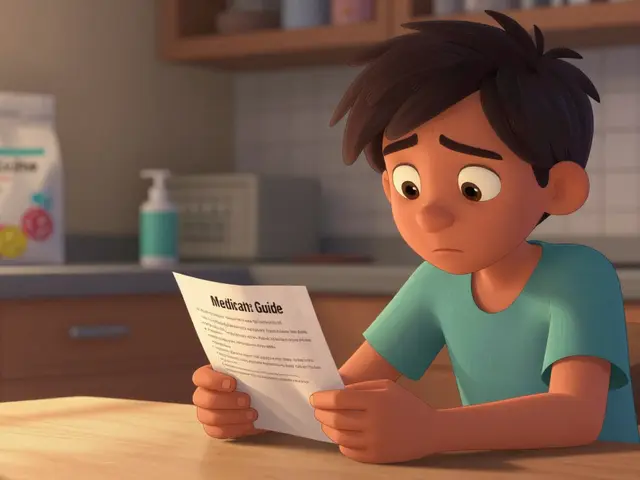
When you start taking an antidepressant, you expect relief. Not fear. But for many people-especially parents, teens, and young adults-the first thing they hear about these medications isn’t how they help with sadness or fatigue. It’s the black box warning. That stark, bolded label on the prescription bottle warns of a possible link between antidepressants and suicidal thoughts. It’s scary. And it’s not just a footnote. It’s the strongest safety alert the FDA can give a drug short of pulling it off the market.
What Exactly Is the Black Box Warning?
The U.S. Food and Drug Administration (FDA) put this warning in place in 2004 after reviewing data from 24 clinical trials involving over 4,400 children and teens with depression, OCD, or other mental health conditions. The analysis found that about 4% of young people taking antidepressants had new or worsening suicidal thoughts or behaviors during the first few months of treatment. That’s compared to 2% of those taking a placebo. No one died in those trials-but the rise in suicidal thinking was real enough to trigger a major safety alert. In 2006, the FDA expanded the warning to include everyone under 25. It applies to nearly all antidepressants: SSRIs like fluoxetine (Prozac), sertraline (Zoloft), and escitalopram (Lexapro); SNRIs like venlafaxine (Effexor); and even older drugs like bupropion (Wellbutrin). The warning appears in bold at the top of every prescription label and patient guide. It doesn’t say antidepressants cause suicide. It says they may increase the risk of suicidal thinking, especially early on.Why Does This Happen?
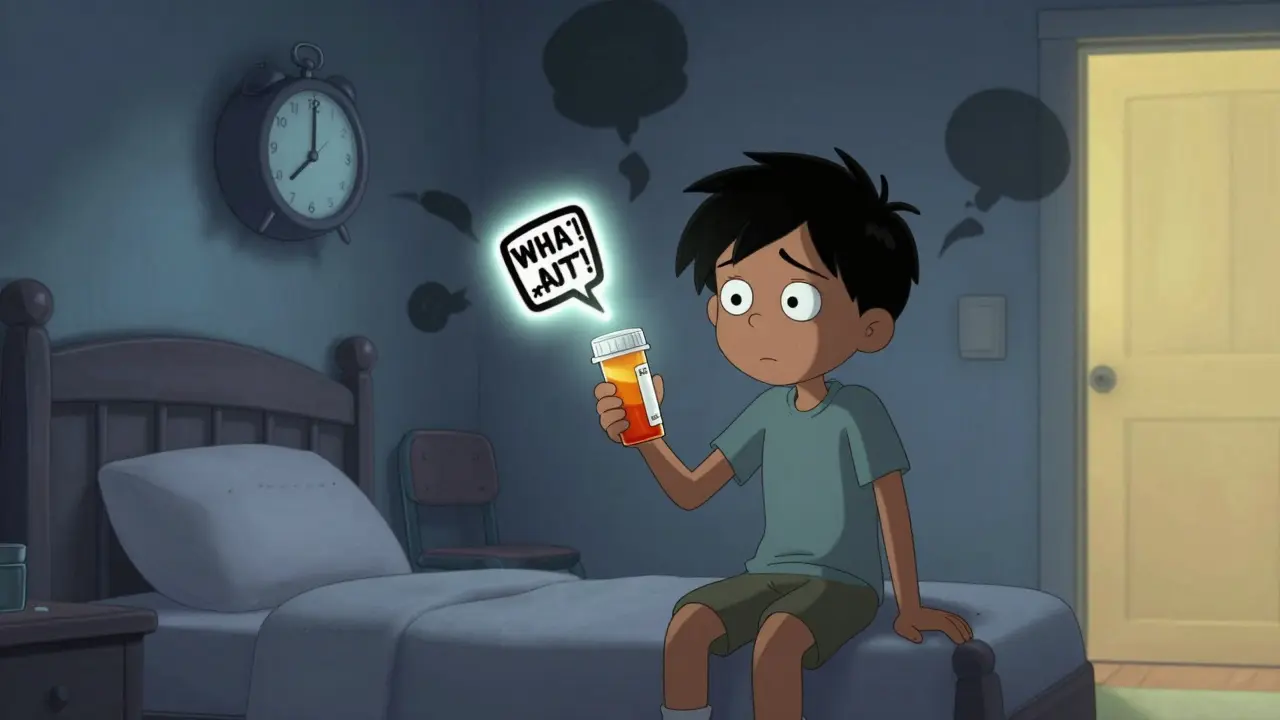
It’s not because antidepressants make people want to die. It’s because they can wake up the brain before they fully fix the mood. Depression drains energy. Motivation. Even the will to move. When an antidepressant starts working, it often gives people back their energy before it fully lifts their sadness. That’s dangerous. Someone who was too tired to act on suicidal thoughts might now have the energy to plan or attempt them. It’s like a car engine turning over before the fuel line is fully connected-there’s power, but no direction. This usually happens in the first two to four weeks. That’s why doctors stress close monitoring during this time. Family members, teachers, or roommates should watch for signs like talking about death, giving away possessions, withdrawing from friends, or sudden mood swings. It’s not about paranoia-it’s about timing.The Controversy: Did the Warning Do More Harm Than Good?
Here’s where things get messy. After the warning went out, prescriptions for antidepressants in teens and young adults dropped by more than 20%. That sounds like a win for safety-until you look at what happened next. A 2023 study in Health Affairs found that in the years after the warning, youth suicide deaths in the U.S. went up by nearly 15%. Emergency visits for drug poisonings rose by 28%. Fewer people were seeing therapists. Fewer were getting diagnosed with depression at all. Why? Because fear replaced understanding. Parents said no to meds. Doctors hesitated to prescribe. Some patients stopped taking their pills because they were scared. Depression didn’t vanish-it just went untreated. One study documented two teenagers who refused antidepressants after learning about the black box warning. Both later attempted suicide. Their families thought they were protecting them. Instead, they left them vulnerable. The American Psychiatric Association says untreated depression is far more dangerous than antidepressants. Suicide is the second leading cause of death for people aged 15 to 24. The risk of death from depression is real. The risk from medication? Smaller-and manageable.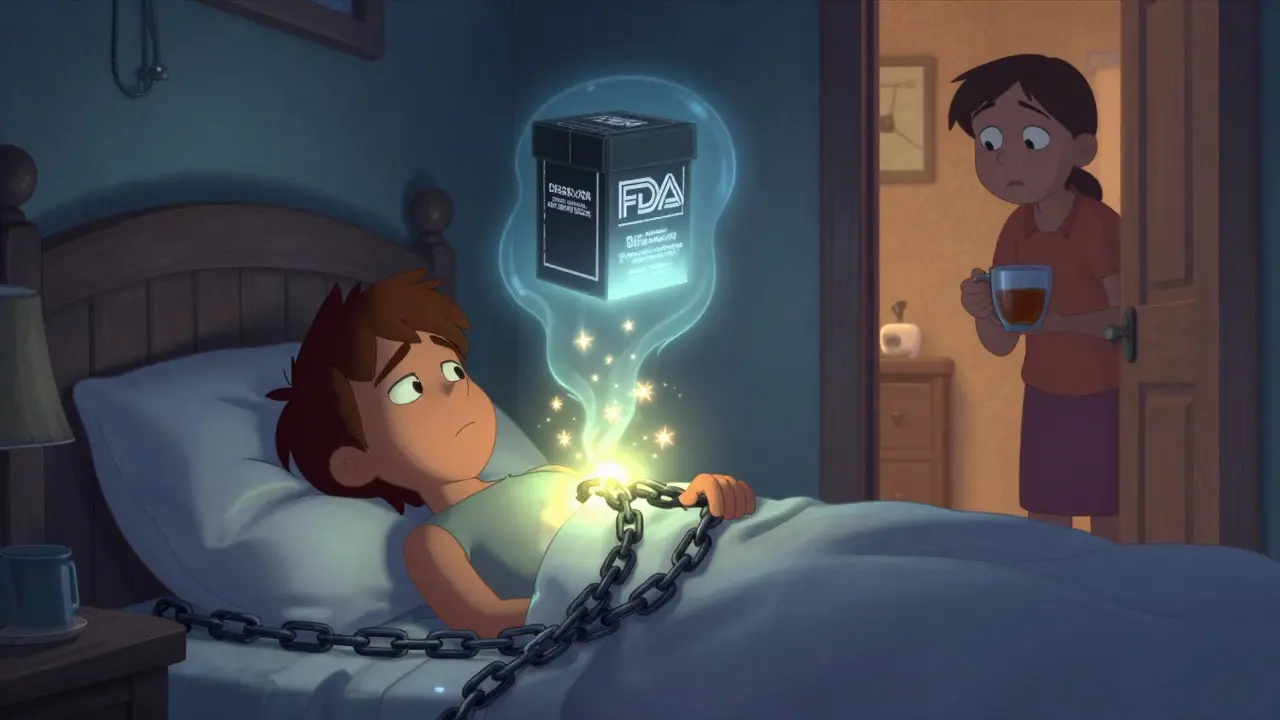
Which Antidepressants Are Riskier?
Not all antidepressants are the same. The original FDA analysis found that paroxetine (Paxil) had the highest association with suicidal thinking in young people. Fluoxetine (Prozac) showed the lowest risk-and is still the only antidepressant approved by the FDA for treating depression in children as young as 8. Sertraline (Zoloft) and fluvoxamine (Luvox) also have strong safety data for kids with OCD. Some newer studies suggest that certain medications may carry almost no increased risk at all, depending on the person’s age, diagnosis, and medical history. This is why blanket warnings are becoming outdated. Experts now say we need smarter, individualized guidance-not one label for every drug in the class.What Should You Do If You’re Worried?
If you or someone you care about is starting an antidepressant:- Don’t skip the first month. That’s when monitoring matters most.
- Ask your doctor: ‘Which medication are you choosing, and why?’
- Make sure someone at home checks in daily during the first 2-4 weeks.
- Know the warning signs: talking about death, giving away things, sudden calm after deep sadness, isolation.
- Don’t stop the medication suddenly. Withdrawal can worsen symptoms.
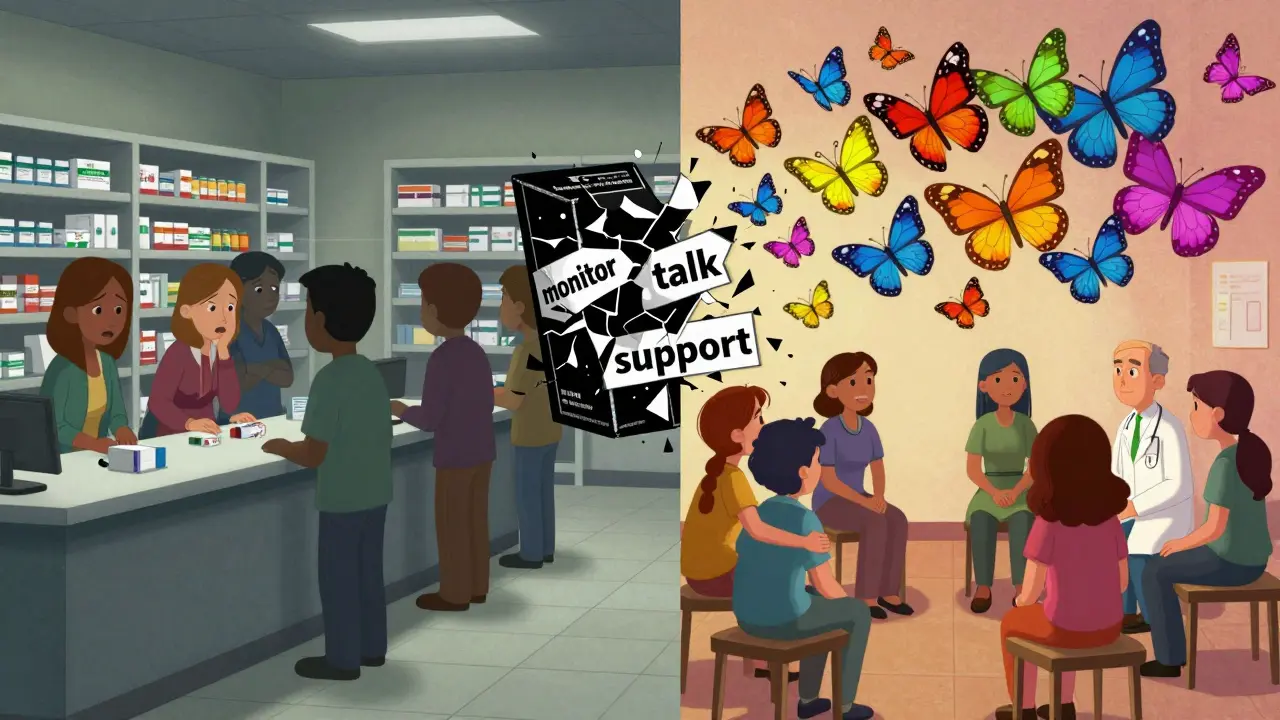
- Combine meds with therapy. CBT and talk therapy reduce risk more than either alone.
The Bigger Picture: A Warning That Needs Updating
The black box warning was meant to protect. But now, 20 years later, evidence shows it’s causing harm by scaring people away from treatment. The FDA reviewed the latest data in 2022 and kept the warning-but added new language to clarify that the benefits often outweigh the risks. That’s a step forward. But experts agree: we need more precise warnings. The future? Medication-specific alerts. Clearer patient guides. Better training for doctors to explain the risk without causing panic. The goal isn’t to scare people off treatment. It’s to make sure they get the right help, at the right time, with the right support.Final Thought: Don’t Let Fear Stop Healing
Antidepressants aren’t magic. They’re tools. And like any tool, they need to be used wisely. The black box warning isn’t a reason to avoid treatment-it’s a reason to be careful, informed, and supported. If you’re struggling, you’re not alone. And you don’t have to fight it alone, either. The right medication, with the right support, can bring you back to life. Just make sure you’re not letting fear make the decision for you.Do antidepressants cause suicide?
No, antidepressants don’t cause suicide. But in a small number of children, teens, and young adults under 25, they may increase the risk of suicidal thoughts during the first few weeks of treatment. This doesn’t mean the drug is dangerous-it means the brain is adjusting. Close monitoring during this time is critical.
Why does the warning say ‘up to age 24’?
The FDA expanded the warning to include people up to age 24 after data showed the same pattern of increased suicidal thinking in young adults as in teens. By age 25, the risk drops to near zero. The brain is still developing into the mid-20s, and this period is more sensitive to changes in serotonin levels.
Is fluoxetine (Prozac) safer for teens?
Yes. Fluoxetine is the only antidepressant FDA-approved for treating depression in children as young as 8. Multiple studies show it has the lowest association with suicidal thinking among SSRIs. Many doctors start with fluoxetine for teens because of its strong safety record.
What should I do if I notice suicidal thoughts after starting medication?
Contact your doctor immediately. Don’t wait. Don’t stop the medication on your own. Your doctor may adjust the dose, switch medications, or add therapy. In an emergency, go to the nearest ER or call 999. Suicidal thoughts are treatable-but they need quick action.
Are there alternatives to antidepressants for teens with depression?
Yes. For mild to moderate depression, cognitive behavioral therapy (CBT) is often as effective as medication. Exercise, sleep hygiene, and family support also help. But for moderate to severe depression, especially when someone is suicidal, medication combined with therapy is the most effective approach. Avoiding treatment because of fear can be more dangerous than taking the medicine.
Why did suicide rates go up after the black box warning?
After the warning, fewer teens were prescribed antidepressants, fewer were diagnosed with depression, and fewer went to therapy. Depression didn’t disappear-it went untreated. Studies show that when people avoid treatment, suicide risk goes up. The warning saved some from early side effects-but cost lives by reducing access to care.

One comment
Okay but like, I started on Zoloft last year and yeah, I felt like a zombie at first-but then I got my energy back before my mood lifted, and I almost did something stupid. My mom started checking in every night. We cried, we talked, we didn’t panic. It’s not the drug’s fault-it’s the timing. The black box? Yeah, it scared me. But not as much as realizing I was alone in my head.
So please, if you’re reading this and you’re scared-don’t stop. Just get someone to hold your hand through it.
While the anecdotal evidence presented in this post is compelling, the statistical correlation between reduced antidepressant prescriptions and increased suicide rates does not, in and of itself, establish causation. Confounding variables-including socioeconomic stressors, pandemic-related isolation, and reduced access to mental health infrastructure-must be rigorously controlled for before drawing definitive conclusions. The FDA’s black box warning remains a necessary precautionary measure grounded in empirical risk assessment, not fearmongering.
I’m a therapist and I’ve seen both sides. Kids who got scared off meds and spiraled. Kids who got the right one at the right time and came back to life. The warning’s not wrong-but it’s incomplete. We need to teach people how to use the tool, not just warn them it’s sharp.
Prozac for teens? Yeah, I start there 90% of the time. It’s the safest. And therapy? Non-negotiable. Meds alone are like giving someone a hammer and saying ‘fix your house.’ They need the blueprint too.
THIS IS WHY WESTERN MEDICINE IS BROKEN. You give a child a chemical to 'fix' their soul? You think serotonin is the problem? Your ancestors didn’t need pills to survive hardship. You’re medicating pain away instead of teaching resilience. This is cultural decay. In India, we teach kids to pray, to sweat, to sit with their pain-not to numb it with synthetic chemicals. This black box warning? It’s a bandaid on a severed artery.
And don’t even get me started on how Pharma is laughing all the way to the bank.
My cousin took Prozac after the warning came out and said he felt worse at first. But he stuck with it. His mom made him text her every night. He’s fine now. No drama. No panic. Just consistency.
Don’t make it a big thing. Just be there.
I didn’t know about the energy-before-mood thing until I read this. That makes so much sense. I thought I was getting worse when I started feeling more awake but still sad. Turns out I was just… waking up. Scary, but normal. Thanks for explaining it like this.
Why are we letting American doctors decide how Indian kids should feel? We have yoga. We have ayurveda. We have family. We don’t need your pills. Your black box is your problem, not ours.
Correlation ≠ causation. The suicide rate increase is more likely due to pandemic effects, economic decline, and social fragmentation. Blaming the FDA warning is a distraction. The real issue is underfunded mental health systems, not a safety label.
So let me get this straight. The FDA says ‘this might make you think about dying’ and suddenly everyone’s like ‘oh no we can’t use it’-but if you told them ‘this might make you gain 15 pounds’ they’d take it with a side of fries and a Netflix binge.
People are terrified of mental health tools but will take a pill that makes their skin peel off. We’re hilarious.
The real question isn’t whether antidepressants increase suicidal ideation-it’s why we’ve built a system where the only intervention for deep psychological suffering is a biochemical intervention. We treat depression like a broken circuit, not a human cry for meaning. The black box warning is a symptom of a society that outsources emotional labor to pharmaceuticals. The real fix isn’t better labels-it’s better community, better connection, better ways to be with pain without numbing it.
I’m 23 and I was on Lexapro for 18 months. The first month? I cried every day. I thought I was failing. My therapist said ‘you’re not getting worse-you’re getting awake.’ That changed everything.
My mom started leaving little notes on my pillow: ‘I’m proud of you for trying.’ I didn’t tell her I cried reading them.
It’s not the drug. It’s the silence around it. Talk about it. Even if it’s awkward. Even if you’re scared. Someone out there needs to hear it.
My brother started on fluoxetine after his first panic attack. We didn’t know anything. We just trusted the doctor. He’s doing great now. No drama. No warnings needed. Just a good plan and someone who didn’t give up on him.
It’s not perfect. But it helped.