
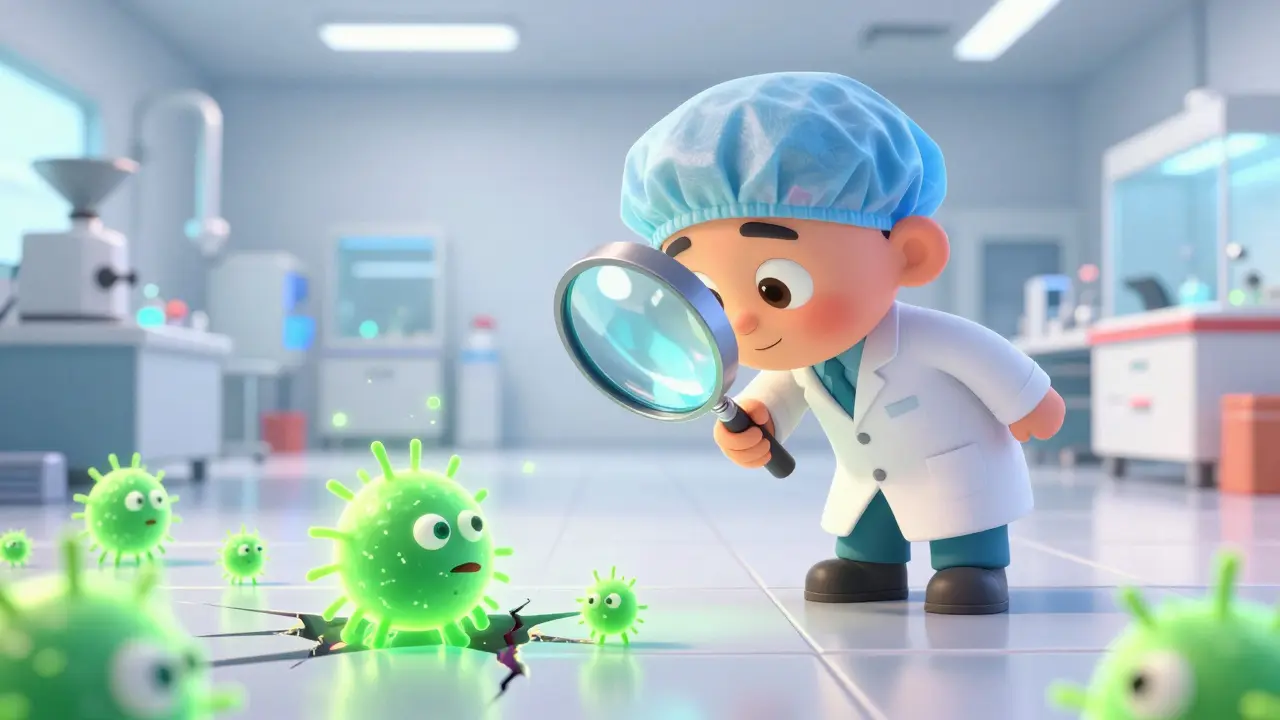
Imagine walking into a production facility and discovering that 62% of your contamination alerts are coming from the floors-areas you probably ignored because they aren't "touching" the product. This is the hidden reality of manufacturing. Whether you are producing life-saving pharmaceuticals or ready-to-eat snacks, the environment around your product is just as dangerous as the product itself if it isn't managed. Environmental monitoring is the only way to catch these invisible threats before they turn into a multi-million dollar recall or a public health crisis.
The goal isn't just to pass an audit; it's to build a system that proves your facility is clean. If you're relying on a once-a-month deep clean and hoping for the best, you're gambling with your brand. To actually control your environment, you need a strategy that targets the right areas, uses the right tools, and analyzes data in real-time.
The Blueprint: Understanding Zone Classification
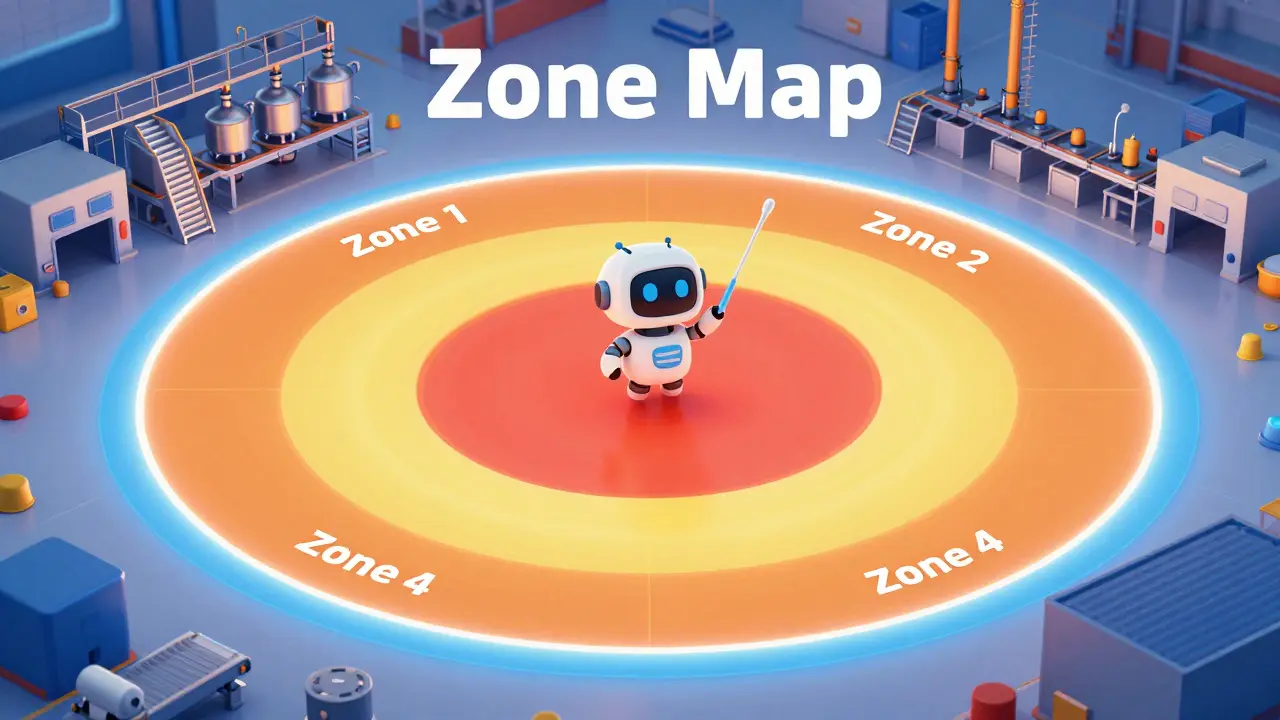
You can't test every square inch of a factory every day. Instead, industry experts use a risk-based approach called Zone Classification. This system divides your facility into four distinct areas based on how likely they are to contaminate your product.
| Zone | Description | Examples | Sampling Frequency |
|---|---|---|---|
| Zone 1 | Direct food/product contact surfaces | Slicers, mixers, conveyors, utensils | Daily to Weekly |
| Zone 2 | Non-contact surfaces close to product | Equipment exteriors, refrigeration doors | Weekly to Monthly |
| Zone 3 | Remote non-contact surfaces in processing areas | Forklifts, floors, walls | Monthly to Quarterly |
| Zone 4 | Areas outside the processing room | Loading docks, warehouses, hallways | Quarterly |
A common mistake is focusing only on Zone 1. While these are the highest risk, contamination often "hides" in Zone 3 or 4 and hitches a ride on a worker's boot or a pallet jack into Zone 1. By monitoring the perimeter, you find the source of the leak before it hits the production line.
How to Test for Different Contaminants
Depending on what you manufacture, your "enemy" changes. A pharmaceutical plant cares about a single microscopic particle, while a food plant is hunting for Listeria monocytogenes. You need to match your testing method to the specific analyte you're hunting.
Microbiological Testing
This is the most common form of monitoring. Using sterile sponges or swabs, teams collect samples to check for pathogens, molds, and yeasts. For Ready-to-Eat (RTE) foods, the FDA requires aggressive testing for Listeria, especially in high-moisture areas where bacteria love to thrive.
Air Quality Monitoring
Airborne particles can settle on open products. To catch these, facilities use liquid impinger or solid impactor samplers. These devices pull large volumes of air through a sterile medium, allowing labs to count the number of organisms or particles per cubic meter (CFU/m³). In high-end pharmaceutical cleanrooms (ISO Class 5), this monitoring is often continuous to ensure the air remains sterile.
Chemical and Water Analysis
Water is a primary vector for contamination. Pharmaceutical plants use Total Organic Carbon (TOC) and conductivity measurements to ensure purified water meets strict standards. For metals and specific chemicals, laboratories use Inductively Coupled Plasma (ICP) or chromatography (HPLC/GC) to detect trace amounts of contaminants that could poison a batch.
Speeding Up the Process: ATP vs. Lab Cultures
The biggest headache in environmental monitoring is the wait time. Traditional microbial tests can take 24 to 72 hours to produce a result. By the time you find out a surface was contaminated, the product is already in a truck heading to a customer.
This is where ATP Testing (Adenosine Triphosphate) comes in. ATP is a molecule found in all living cells. By swabbing a surface and using a luminometer, you get a reading in seconds. It doesn't tell you which bacteria are present, but it tells you if the surface is organic-clean. Facilities using ATP for sanitation verification have reported a 32% faster turnaround between production runs because they don't have to wait for the lab to give the green light.
Common Pitfalls and How to Avoid Them
Even the best-funded programs fail if the execution is sloppy. Based on industry data, there are three main areas where facilities trip up:
- Inconsistent Zone Labeling: One manager might see an overhead pipe as a Zone 2 surface, while another sees it as Zone 1 because condensation drips from it. You must have a documented, visual map of your zones that everyone agrees on.
- Contaminating the Sampler: It sounds obvious, but many teams fail to properly sterilize the interior of their air samplers. If your tool is dirty, your results are useless.
- Data Silos: Many plants run ATP tests, microbial tests, and allergen tests as three separate programs. If you don't integrate this data, you miss the patterns. For example, if ATP levels are rising in Zone 3, a microbial spike in Zone 1 is probably coming next.
The Future of Contamination Control
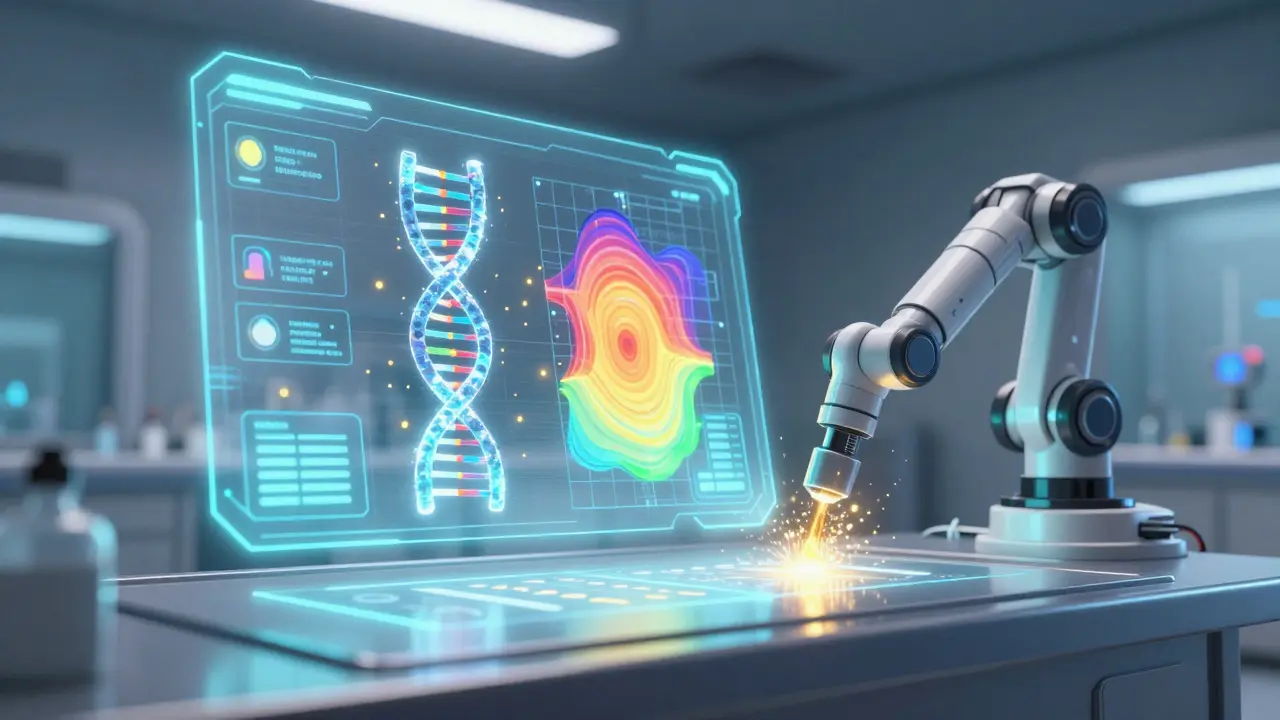
We are moving away from "snapshot" testing toward real-time intelligence. The European Medicines Agency (EMA) has already pushed for real-time data trending in pharmaceutical environments. The next big leap is Next-Generation Sequencing (NGS) and metagenomics. Instead of growing a colony in a petri dish, NGS allows labs to sequence the DNA of the environment, identifying pathogens in under 24 hours with pinpoint accuracy.
AI is also entering the fold. We're seeing a shift toward AI-integrated systems that can predict where contamination will occur based on humidity, temperature, and historical cleaning cycles, allowing teams to clean a room before it becomes a hazard.
How often should I test Zone 1 surfaces?
For high-risk environments, especially Ready-to-Eat (RTE) food facilities, Zone 1 surfaces should be tested at least weekly. Some facilities opt for daily sampling of critical contact points to ensure maximum safety and compliance with FDA guidelines.
What is the difference between non-viable and viable particle monitoring?
Viable monitoring looks for living organisms (bacteria, fungi) that can grow in a culture medium. Non-viable monitoring counts all particles of a certain size, regardless of whether they are alive, using laser counters. Pharmaceutical cleanrooms typically require both.
Can ATP testing replace traditional microbiology?
No. ATP testing is a verification tool for cleanliness, not a diagnostic tool for pathogens. It tells you if something is there, but not what it is. You should use ATP for quick checks between runs and microbiology for official safety verification.
Why monitor Zone 4 if it's so far from the product?
Zone 4 areas, like loading docks, often act as the entry point for contaminants. If you find Listeria in a warehouse (Zone 4), you can stop it from migrating into the processing area (Zone 1) via foot traffic or equipment movement.
What training is required for sampling personnel?
The FDA recommends at least 40 hours of hands-on training for personnel conducting environmental sampling. This ensures they know how to collect samples without introducing outside contamination and how to handle sterile equipment properly.
Next Steps for Facility Managers
If you're starting from scratch or upgrading your current program, don't try to do everything at once. Start by mapping your facility. Physically walk through your plant and label every surface from Zone 1 to 4. Once you have your map, pick your "critical control points"-the areas where a failure would be catastrophic-and focus your budget there first.
For those in the pharmaceutical sector, check your alignment with the latest EU GMP Annex 1 revisions to ensure your continuous monitoring is up to date. For food processors, prioritize a specific search for Listeria in your dampest areas. The goal isn't to find zero bacteria-that's nearly impossible-but to find them before your product does.


One comment
This is such a helpful breakdown! 🌟 It's so easy to overlook the floors, but seeing it laid out like this really motivates me to double-check our site maps! Keep sharing these tips! ✨
Pls tell me why we are acting like this is new info lol. Absolutey ridiclous to think a basic zone map solves systemic failur. I bet half these facilities just fake the logs anyway because the managment is too lazy to actually scrub a drain properly!! Total joke!! 🙄
The point about ATP testing is spot on. We implemented a hybrid system last year and it completely changed the workflow by cutting down the downtime between batches. It's the only way to be assertive about sanitation before the lab results even hit the desk.
already knew all this 🙄 just basic gmp stuff 💅
The sheer audacity to suggest a simple map is a "blueprint"...!!! Truly, one must possess a rudimentary understanding of microbial migration to see the flaws here...!!! It is quaint that you think AI will replace the nuanced eye of a seasoned analyst...!!! Simply pedestrian logic...!!!
basically just a fancy way of sayin clean your floors lol
It is truly commendable to see such a detailed approach to safety...!!! These guidelines ensure that our global standards remain high...!!! It is the only path toward a safer future for all consumers...!!!
While I strongly agree with the overarching philosophy of risk-based sampling, it is imperative that we recognize that the human element in sampling is often where the most egregious errors occur, and therefore we must demand a higher standard of rigorous, ongoing training that goes beyond the basic 40-hour FDA recommendation to ensure that the data we are collecting is not merely a reflection of poor technique but a true representation of the facility's hygiene status, as any compromise in the sampling phase renders the most expensive HPLC or GC equipment completely irrelevant to the outcome of the safety audit.
Typical government waste of time. 🙄 The FDA doesn't know squat about real world producion. We do things the American way-fast and efficient-not by following some stupid map made by a bureaucrat who's never stepped foot in a real factory. This whole guide is just a way to make us spend more on useless swabbes.
I appreciate the focus on the future of NGS. It's quite exciting to think about how DNA sequencing will remove the guesswork from pathogen identification. (^^)
Let's get these standards implemented everywhere! 🚀 No matter where you are, the goal should be total safety for the customer! Let's push for better tech in every plant! 💪🔥