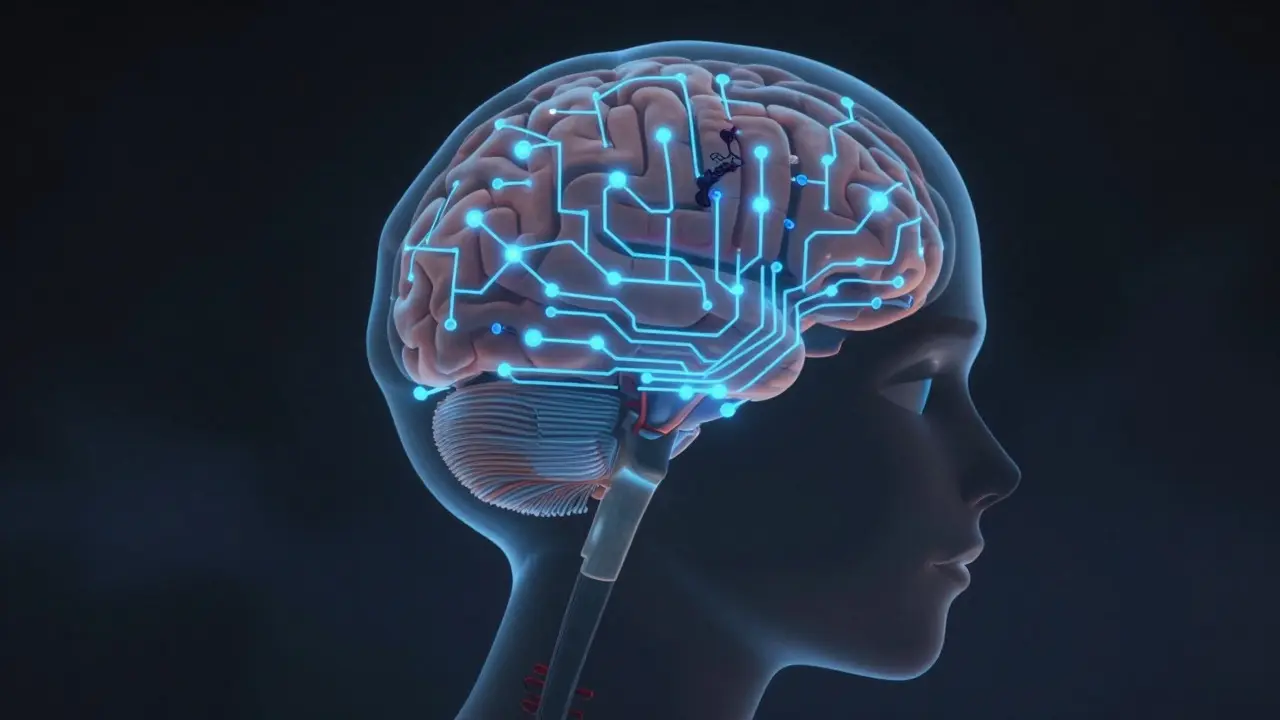
When a loved one starts forgetting names or losing their way in familiar places, the first thought is usually Alzheimer’s disease. It dominates the headlines and public awareness campaigns. But what if the cause isn’t Alzheimer’s? What if it’s something else entirely-something that requires a completely different approach to care and medication?
Alzheimer’s accounts for roughly 60-80% of dementia cases, but the remaining 20-40% involve other distinct conditions. Three major types stand out: Vascular dementia, a condition caused by reduced blood flow to the brain, Frontotemporal dementia (FTD), a disorder affecting personality and language centers, and Lewy body dementia (LBD), a condition linked to abnormal protein deposits causing movement and cognitive issues. Getting this diagnosis right matters. Misdiagnosing LBD as Alzheimer’s, for instance, can lead to prescribing medications that cause severe, even dangerous, side effects.
Understanding Vascular Dementia: The Blood Flow Connection
Vascular dementia is the second most common form of dementia, accounting for about 10% of all cases. Unlike Alzheimer’s, which involves a slow, steady decline, vascular dementia often hits suddenly. Imagine your brain as a complex electrical grid. If a power line gets cut, the lights go out immediately. In vascular dementia, small strokes or reduced blood flow damage specific areas of the brain tissue, leading to sudden drops in cognitive function.
The progression tends to be step-like. A person might have a period of stability, then suffer a minor stroke or transient ischemic attack (TIA), resulting in a noticeable decline. Then, they stabilize again until the next event. This pattern is a key diagnostic clue.
Symptoms vary depending on which part of the brain was affected by the lack of blood flow. Common signs include:
- Trouble with planning, organizing, or following multi-step instructions.
- Slowed thinking speed rather than just memory loss.
- Mood changes, such as depression or apathy.
- Physical issues like unsteady gait or coordination problems, which are less common in early Alzheimer’s.
The good news? Because vascular dementia is tied to blood vessel health, it is partially preventable and manageable. Controlling high blood pressure, managing diabetes, and quitting smoking can significantly reduce the risk. Treatments focus on preventing further strokes using antiplatelet drugs like aspirin and statins to manage cholesterol.
Frontotemporal Dementia: When Personality Changes First
If you think dementia always means memory loss, frontotemporal dementia (FTD) will challenge that assumption. FTD affects the frontal and temporal lobes-the parts of the brain responsible for personality, behavior, and language. It strikes younger people, typically between ages 40 and 65, making it the most common dementia in individuals under 60.
In the early stages, memory often remains intact. Instead, family members notice dramatic shifts in behavior. A once cautious person might become impulsive, spending money recklessly or making inappropriate social comments. Someone who was emotionally reserved might become flat or indifferent, while another might exhibit excessive empathy or agitation.
FTD has three main variants, each with distinct features:
- Behavioral variant FTD: Characterized by significant personality and behavioral changes, including loss of social inhibitions and poor judgment.
- Primary progressive aphasia: Affects language abilities. Patients may struggle to find words, understand speech, or repeat phrases, despite having intact memory and reasoning skills initially.
- Movement disorders: Some forms of FTD are linked to motor neuron diseases, causing muscle stiffness, tremors, or difficulty swallowing.
Diagnosis can be tricky because these symptoms are often mistaken for psychiatric conditions like depression, bipolar disorder, or schizophrenia. Up to 50% of FTD cases are initially misdiagnosed as mental health issues. Brain imaging, specifically MRI scans showing shrinkage in the frontal and temporal lobes, helps confirm the diagnosis. Currently, there is no cure for FTD, but antidepressants (SSRIs) can help manage some behavioral symptoms, and speech therapy aids those with language difficulties.

Lewy Body Dementia: The Great Mimicker
Lewy body dementia (LBD) is perhaps the most misunderstood type of dementia. It encompasses two related conditions: dementia with Lewy bodies (DLB) and Parkinson’s disease dementia (PDD). The difference lies in timing. If dementia symptoms appear before or within a year of movement problems, it’s DLB. If Parkinson’s motor symptoms exist for more than a year before dementia sets in, it’s PDD.
LBD is characterized by the buildup of abnormal protein clumps called Lewy bodies in the brain. These deposits affect areas controlling thinking, movement, and sleep. LBD accounts for 15-20% of dementia cases, yet up to 75% are initially misdiagnosed as Alzheimer’s.
Why is it so hard to spot? Because its symptoms fluctuate wildly. One hour, a person with LBD might be sharp, engaged, and conversant. The next hour, they might be confused, drowsy, or unable to focus. This "cognitive fluctuation" is a hallmark sign.
Other core symptoms include:
- Visual hallucinations: Seeing people or animals that aren’t there. These are often detailed and realistic.
- REM sleep behavior disorder: Acting out dreams physically, such as kicking, punching, or shouting during sleep.
- Parkinsonian motor symptoms: Stiffness, slowness of movement, shuffling walk, and masked facial expressions.
The stakes for accurate diagnosis are high. People with LBD have an extreme sensitivity to antipsychotic medications. Drugs commonly used to treat hallucinations in Alzheimer’s patients can cause severe reactions in LBD patients, including worsening rigidity, confusion, or even life-threatening neuroleptic malignant syndrome. Cholinesterase inhibitors, like rivastigmine, are often preferred to help with cognition and alertness.
Comparing the Three: A Quick Reference Guide
| Feature | Vascular Dementia | Frontotemporal Dementia (FTD) | Lewy Body Dementia (LBD) |
|---|---|---|---|
| Primary Cause | Reduced blood flow/strokes | Protein buildup (tau/TDP-43) in frontal/temporal lobes | Lewy bodies (alpha-synuclein) in brain |
| Typical Onset Age | 65+ (varies) | 40-65 (younger onset) | 50+ (average 70s) |
| Key Early Symptoms | Sudden cognitive drops, executive dysfunction | Personality changes, language issues, preserved memory | Fluctuating attention, visual hallucinations, motor issues |
| Memory Loss | Variable, depends on stroke location | Often intact in early stages | Less prominent early on compared to Alzheimer’s |
| Medication Caution | Manage blood pressure/diabetes meds | Antidepressants may help behavior | Avoid typical antipsychotics (severe sensitivity) |

Why Diagnosis Matters More Than You Think
You might wonder, "Does it really matter which type it is? They all end up needing care." Yes, it matters immensely. The treatment paths diverge sharply.
For vascular dementia, aggressive management of cardiovascular health can halt or slow progression. For FTD, understanding that memory isn’t the primary issue helps caregivers adjust communication strategies and avoid frustrating the patient with memory tests. For LBD, knowing to avoid certain medications prevents hospitalizations and severe physical decline.
Furthermore, clinical trials are increasingly targeted. New therapies for Alzheimer’s don’t necessarily work for LBD or FTD. Accurate diagnosis ensures patients have access to the correct experimental treatments if available. It also provides a clearer prognosis, helping families plan for the future with realistic expectations.
Navigating the Diagnostic Journey
If you suspect a loved one has dementia, start with a primary care physician, but be prepared to advocate for a specialist referral. Neurologists or geriatric psychiatrists are best equipped to differentiate these types.
Diagnostic tools have evolved. Beyond standard memory tests, doctors now use:
- Brain Imaging: MRI scans to look for stroke damage (vascular) or lobe shrinkage (FTD). PET scans can detect amyloid or tau proteins.
- Blood Tests: Emerging biomarkers, such as plasma GFAP, are being researched to detect vascular injury and neurodegeneration earlier.
- Sleep Studies: To check for REM sleep behavior disorder, a strong indicator of LBD.
Keep a symptom diary. Note when confusion happens, any hallucinations, changes in sleep patterns, or shifts in personality. This data is invaluable for specialists trying to distinguish between the fluctuating nature of LBD and the steady decline of other types.
Can vascular dementia be reversed?
Generally, no. Once brain tissue dies from a stroke, it doesn't regenerate. However, managing underlying causes like high blood pressure and diabetes can prevent further strokes, potentially stabilizing the condition and slowing progression.
Is frontotemporal dementia genetic?
In about 30% of cases, yes. Family history plays a significant role, particularly with mutations in genes like C9orf72, MAPT, or GRN. Genetic counseling is recommended for those with a strong family history of FTD.
How long do people live with Lewy body dementia?
The average survival time after diagnosis is 5 to 8 years, though this varies widely based on age, overall health, and how well complications like infections or falls are managed.
What medications should be avoided in Lewy body dementia?
Typical antipsychotics (like haloperidol) and many atypical antipsychotics (like risperidone) should be avoided or used with extreme caution. They can cause severe sensitivity reactions, including worsening parkinsonism, sedation, or neuroleptic malignant syndrome.
Can lifestyle changes prevent vascular dementia?
Yes, to a significant extent. Since vascular dementia is linked to heart health, maintaining a healthy weight, exercising regularly, eating a Mediterranean-style diet, and controlling blood pressure and cholesterol can reduce risk by up to 20%.