
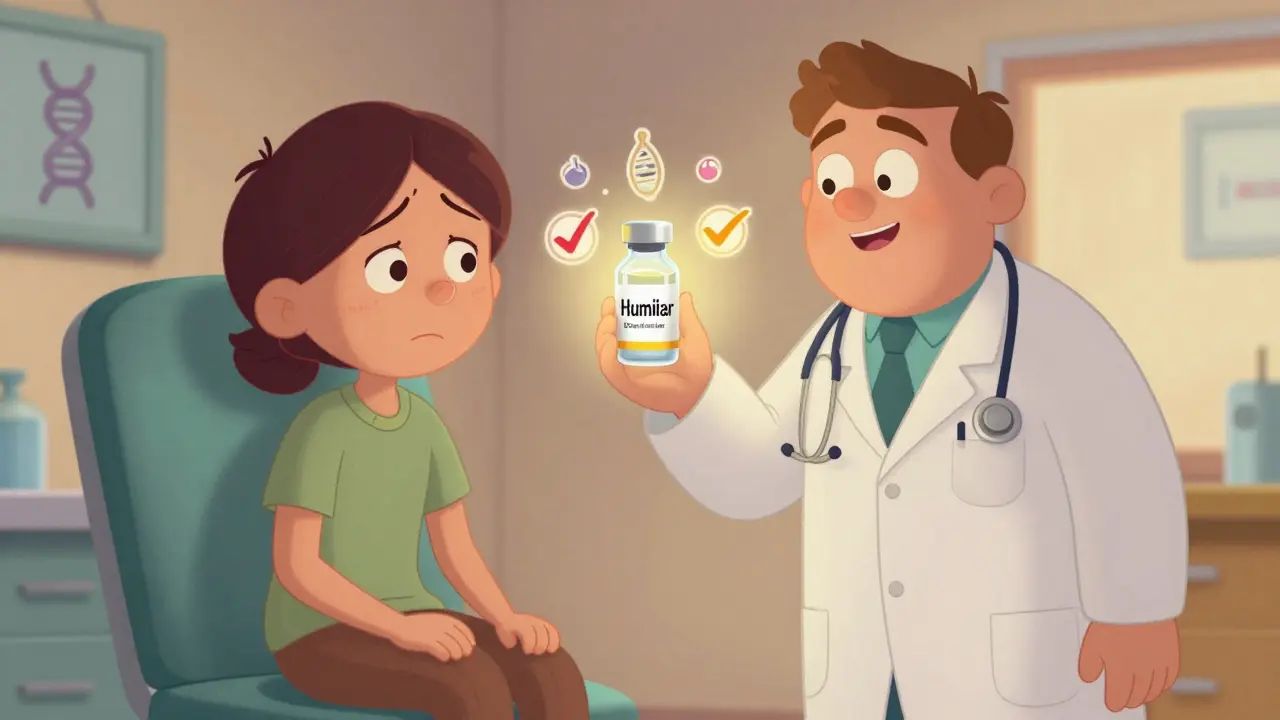
When your doctor suggests switching from your current biologic medication to a biosimilar, it’s natural to feel uneasy. You’ve been stable on your treatment. You know how your body reacts. Now you’re being asked to try something new-something with a complicated name and unclear history. This hesitation isn’t just about fear. It’s about confusion, misinformation, and real experiences that didn’t go as planned.
What Exactly Is a Biosimilar?
A biosimilar is a biologic medication that is highly similar to an already approved reference biologic, with no clinically meaningful differences in safety, purity, or potency. It’s not a copy, and it’s not a generic. Unlike traditional generics, which are chemically identical to their brand-name counterparts, biosimilars are made from living cells-like yeast or hamster ovary cells-and are incredibly complex. Think of it like this: a generic is a photocopy of a simple document. A biosimilar is a hand-drawn replica of a Picasso painting. It looks nearly identical, and experts confirm it performs the same way, but the process to create it is vastly more complicated.
The U.S. Food and Drug Administration (FDA) approved the first biosimilar, Zarxio, in 2015. Since then, 74 biosimilars have been approved as of April 2025. These medications treat serious conditions like rheumatoid arthritis, Crohn’s disease, cancer, and diabetes. The goal? To make life-saving treatments more affordable. Biosimilars typically cost 35% less than the original biologic. For example, pegfilgrastim biosimilars have cut out-of-pocket costs for patients by 47-59% in the first treatment cycle.
Why Are Biosimilars So Different From Generics?
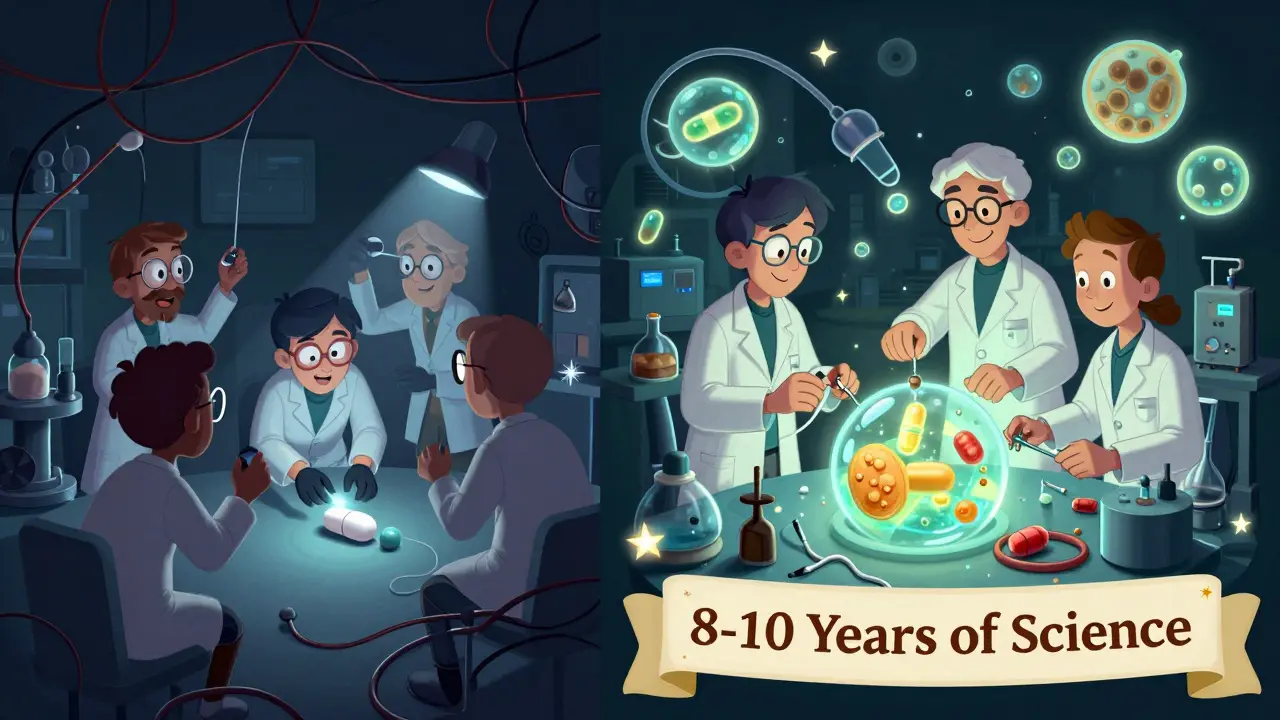
Most people think all cheaper versions of drugs are the same. They’re not. A generic is a chemically identical version of a small-molecule drug. You can replicate its structure exactly in a lab. A biosimilar is a version of a large, complex protein made in living cells. Even tiny changes in the manufacturing process-temperature, pH, cell line-can affect the final product. That’s why biosimilars require years of testing: analytical studies, animal trials, and at least one clinical trial to prove they behave the same way in humans.
Here’s the stark contrast:
| Aspect | Generics | Biosimilars |
|---|---|---|
| Drug Type | Small-molecule chemicals | Large, complex proteins from living cells |
| Development Time | 3-4 years | 8-10 years |
| Development Cost | $2-3 million | $100-250 million |
| Approval Pathway | Abbreviated (no clinical trials needed) | Extensive (analytical, animal, clinical data required) |
| Market Share After 1 Year | Up to 90% | Under 10% |
That’s why biosimilars take longer to enter the market-and why patients are often unaware they even exist. Only 31% of patients with chronic conditions know what biosimilars are, compared to 64% of healthcare professionals.
Why Do Patients Hesitate?
It’s not just ignorance. Real stories fuel fear.
One Reddit user, ChronicPainPatient87, shared: "My doctor switched me to a biosimilar for Humira without telling me, and I had a flare-up. Now I’m terrified to switch again even if it’s cheaper." This isn’t an isolated case. A 2025 study found that 79% of patients worry biosimilars won’t work as well. Sixty-three percent fear new or different side effects.
And here’s the twist: even when biosimilars save the healthcare system money, patients don’t always feel it. A study of seven biologic drugs found that out-of-pocket costs didn’t drop after biosimilars entered the market. For infliximab, prices stayed the same. Why? Because pharmacy benefit managers (PBMs) and insurers often don’t pass savings on. They may still charge the same copay for the biosimilar as the brand-name drug-or even make it harder to get.
When CVS excluded Humira from most formularies in April 2024, the average cost of biologic drugs dropped 2.3 percentage points. But patient satisfaction scores fell 15%. Patients felt rushed, uninformed, and distrustful. The system saved money. The patient felt betrayed.
What Do Experts Say?
Doctors and regulators are trying to fix this. Dr. James Wilson, Director of the FDA’s Office of Therapeutic Biologics and Biosimilars, said in 2024 that "all biosimilars in the U.S. should be interchangeable". Interchangeable means a pharmacist can switch you to a biosimilar without needing a new prescription from your doctor-just like generics. This is a big step toward normalizing biosimilars.
But knowledge gaps remain. Only 68-88% of healthcare providers fully understand biosimilar safety and efficacy. Among patients, that number drops to 48-62%. That’s why education isn’t optional-it’s critical.
Research from the Center for Biosimilars shows that when patients and providers get clear, simple explanations-like "This is not a new drug. It’s been tested just as rigorously as the original, and it works the same way"-attitudes improve dramatically. One study found that people exposed to detailed definitions rated biosimilars 10% more positively than those who weren’t.
How Can We Reduce Hesitation?
Changing minds starts with honest, clear communication. Here’s what works:
- Involve patients in the decision. Don’t just switch them. Talk to them. Say: "I’m suggesting this because it’s been proven to work just as well, and it could lower your costs long-term. Let’s go over the data together."
- Use real-world evidence. Share data from actual patients. For example: "In a study of 1,200 people with rheumatoid arthritis, those on the biosimilar had the same number of good days as those on the brand-name drug."
- Track outcomes. Monitor biomarkers like anti-drug antibodies or disease activity scores. If a patient’s condition stays stable, it’s proof the biosimilar is working.
- Clarify cost savings. Ask your insurer: "Will switching to the biosimilar lower my copay?" If not, push for it. Savings should reach the patient.
- Don’t hide the switch. Transparency builds trust. If a patient finds out they were switched without consent, trust is broken.
Some clinics are already seeing results. One oncology center in Atlanta started a dedicated biosimilar education session before treatment. Within six months, patient acceptance jumped from 22% to 71%. The key? They didn’t just hand out pamphlets. They answered questions. They showed lab results. They let patients talk to others who’d made the switch.
The Road Ahead
By 2030, nearly $232 billion in biologic sales will lose exclusivity. That’s 118 different drugs-many of them lifesaving. If we do this right, biosimilars could save the U.S. healthcare system $300 billion between 2025 and 2030.
But that won’t happen if patients stay afraid. The science is solid. The data is clear. The cost savings are real. What’s missing is trust.
It’s time to stop treating biosimilars like a risky experiment. They’re not. They’re a proven, regulated, and carefully tested option. The next time a patient hears "biosimilar," they shouldn’t think "unknown." They should think: "This is the same treatment, just more affordable."
Are biosimilars as safe as the original biologic?
Yes. The FDA requires biosimilars to undergo extensive testing to prove they have no clinically meaningful differences in safety, purity, or potency compared to the reference product. This includes analytical studies, animal studies, and at least one clinical trial in patients. Over 74 biosimilars have been approved in the U.S. since 2015, and post-market surveillance shows no increased risk of adverse events.
Why don’t I save money even though biosimilars are cheaper?
While biosimilars reduce overall system costs, savings don’t always reach the patient. Pharmacy benefit managers (PBMs) and insurers may not adjust copays or may still favor the brand-name drug through formulary restrictions. Some plans charge the same copay for biosimilars and originals. Patients should ask their insurer directly: "Will switching to this biosimilar lower my out-of-pocket cost?" If not, they can request a formulary exception.
Can I be switched to a biosimilar without my consent?
In most cases, no. Even if a biosimilar is designated as "interchangeable," pharmacists are required to notify the prescribing provider and patient before making the switch in most states. Some states require explicit patient consent. Always check your state’s laws. If you weren’t informed, you have the right to request the original biologic.
Do biosimilars cause different side effects than the original drug?
Clinical trials and real-world data show no meaningful difference in side effect profiles. Minor differences in inactive ingredients may occur, but these don’t affect safety or effectiveness. A 2025 study of over 10,000 patients on biosimilars found identical rates of injection-site reactions, infections, and serious adverse events compared to the reference biologic.
How long does it take for a biosimilar to be approved?
It typically takes 8-10 years and costs $100-250 million to develop and approve a biosimilar, compared to 3-4 years and $2-3 million for a generic. This is because biosimilars require complex analytical, preclinical, and clinical data to prove similarity. The FDA’s 2024 draft guidance aims to shorten this by relying more on analytical data and reducing the need for repeat clinical trials.
What’s the difference between "biosimilar" and "interchangeable"?
All interchangeable biosimilars are biosimilars, but not all biosimilars are interchangeable. An "interchangeable" designation means a biosimilar can be substituted for the reference product without the prescriber’s involvement-just like a generic. To earn this status, the manufacturer must prove that switching between the biosimilar and the original won’t increase safety risks or reduce effectiveness. As of 2025, only a handful of biosimilars have received this designation, but the FDA is moving toward making it standard.
Will biosimilars become the standard treatment?
Experts predict they will. By 2027, adoption rates for targeted therapies could reach 30-40%. By 2030, many believe biosimilar use will exceed 50%, especially as more real-world data confirms their safety and as patients and providers gain experience. The FDA, insurers, and patient advocacy groups are all pushing for broader access. The key will be consistent education and transparent communication.
What Comes Next?
If you’re a patient, ask questions. Demand transparency. Ask your provider: "Is this a biosimilar? How do I know it’s safe? Will it cost me less?" If you’re a provider, don’t assume your patient knows what a biosimilar is. Explain it. Show them data. Let them decide.
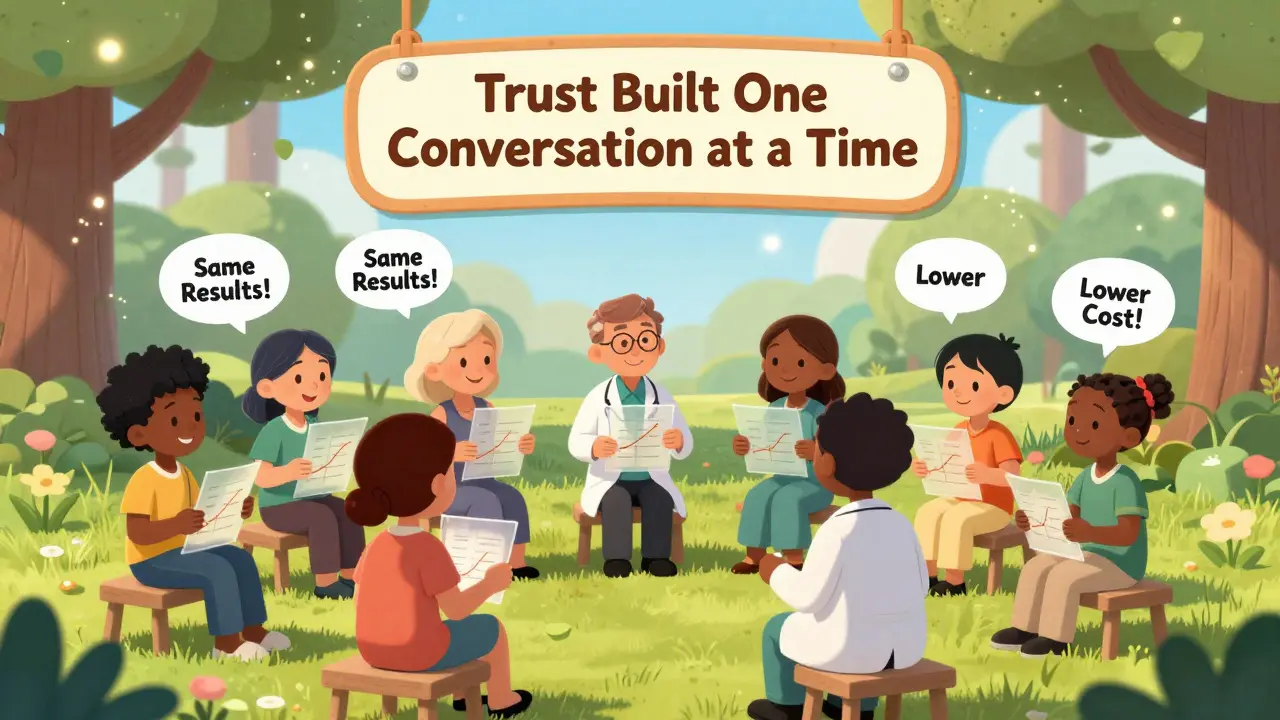
The future of affordable biologic care depends on trust-not just science. And trust is built one conversation at a time.


One comment
Okay but can we talk about how insane it is that we’re still treating biosimilars like they’re some kind of shady backup plan? I switched to one for my RA last year and my joints haven’t felt this good in a decade. My copay dropped from $450 to $90. No flares. No weird side effects. Just… relief. Why are we scared of something that literally works better for our wallets and our bodies? We need to stop letting fear drive this conversation.
Unproven.
Unproven? Actually, it's proven. FDA-approved. 74 of them. Clinical trials. Post-market surveillance. And yet, here we are, still acting like biosimilars are some kind of pharmaceutical conspiracy. It’s not just ignorance-it’s willful blindness. And don’t even get me started on PBMs. They’re the real villains. Not the science. The profit.
This whole thing is a disaster. I know someone who got switched without warning-ended up in the ER with a severe reaction. Now she’s terrified of every drug. And you want to push this further? This isn’t innovation-it’s exploitation. The system doesn’t care about patients. It cares about quarterly earnings. Biosimilars? More like bioscamilars.
Look, I'm all for saving money but you can't just swap out a medicine like it's a battery. My cousin got switched and now she's got a rash every time she takes it. They don't even tell you when you're getting the cheap version. That's not healthcare. That's corporate greed. And don't even get me started on how the FDA lets this slide. America needs to stop being so trusting of big pharma.
Interesting read. I live in India where biosimilars are the norm-no one bats an eye. We’ve been using them for over a decade. Same results. Lower cost. No drama. Maybe the fear isn’t about the science-it’s about how we talk about it. In the U.S., it’s framed like a gamble. Here, it’s just… medicine.
I work in a clinic that started doing biosimilar education sessions last year. We didn’t just hand out flyers-we sat down with patients, showed them lab reports side by side, and let them ask anything. One woman cried because she’d been afraid to switch for two years, worried she’d lose her quality of life. When she saw her own biomarkers stayed stable? She hugged me. That’s the power of clarity. Education isn’t a bonus-it’s the foundation. And we’ve been skipping it.
It’s funny how we’ll accept a generic for blood pressure or antibiotics without question, but when it comes to biologics-drugs that keep us alive-we suddenly turn into skeptics. I think it’s because biologics feel more… personal. They’re not just pills; they’re injections, infusions, lifelines. And when you’ve been on one for years, it becomes part of your identity. Switching feels like betrayal-even when the science says it’s safe. We need to acknowledge that emotional weight, not just the data. The fear isn’t irrational-it’s rooted in survival. And if we want adoption, we have to meet people where they are, not where we think they should be.
My mate got switched last year-no warning, no chat. Just a new vial. He freaked out. But after three months? Same energy. Same symptoms. Same everything. The only difference? His bank account. I reckon the real issue isn’t the science-it’s the way it’s rolled out. People need to feel in control. Not told. Not forced. Just… informed. And yeah, the cost savings should actually reach them. Not vanish into some PBM black hole.
As someone who’s lived with Crohn’s for 15 years, I’ve seen the cost of biologics climb until it was impossible. My family had to choose between rent and medicine. When my doctor finally suggested a biosimilar, I was terrified. But I gave it a shot. Two years later, I’m stable. No flares. No extra side effects. And I can afford to see my kids grow up. This isn’t about politics or profit. It’s about dignity. We need to stop making patients feel guilty for wanting to live affordably.
Hey, I just read this and thought-why are we even debating this? The data’s clear. The FDA doesn’t approve junk. If it’s approved, it works. Maybe the real problem is how we communicate it. Too many doctors say ‘it’s similar’ instead of ‘it’s the same.’ Language matters. And patients deserve honesty-not jargon.
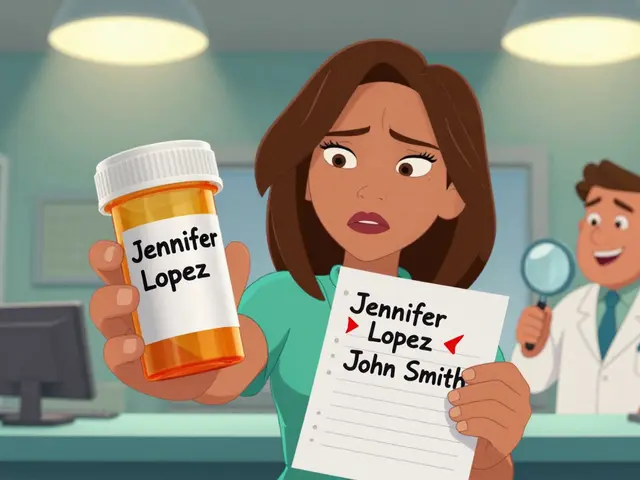
I got switched without consent. My doctor didn’t tell me. My pharmacist didn’t tell me. I only found out because I noticed the vial looked different. I had a flare. I was furious. And now? I’m not just scared-I’m angry. This isn’t healthcare. It’s bait-and-switch. And if you think patients are just being irrational, you’ve never been gaslit by your own medical system.
There’s a philosophical layer here that rarely gets addressed. We treat biosimilars as if they’re somehow less ‘real’ because they’re not chemically identical. But what does ‘real’ even mean in medicine? Is a life saved less valuable because the molecule was grown in hamster cells instead of a petri dish? Science doesn’t care about our metaphors. Only people do. And our fear stems from a deeper anxiety: that we’re no longer in control of our own healing. The answer isn’t more regulation-it’s more humanity. We must restore agency. Not by hiding the switch, but by inviting the patient into the room. Because trust isn’t built by data sheets. It’s built by listening.