Pain Relief Meds: How to Choose Safe and Effective Analgesics
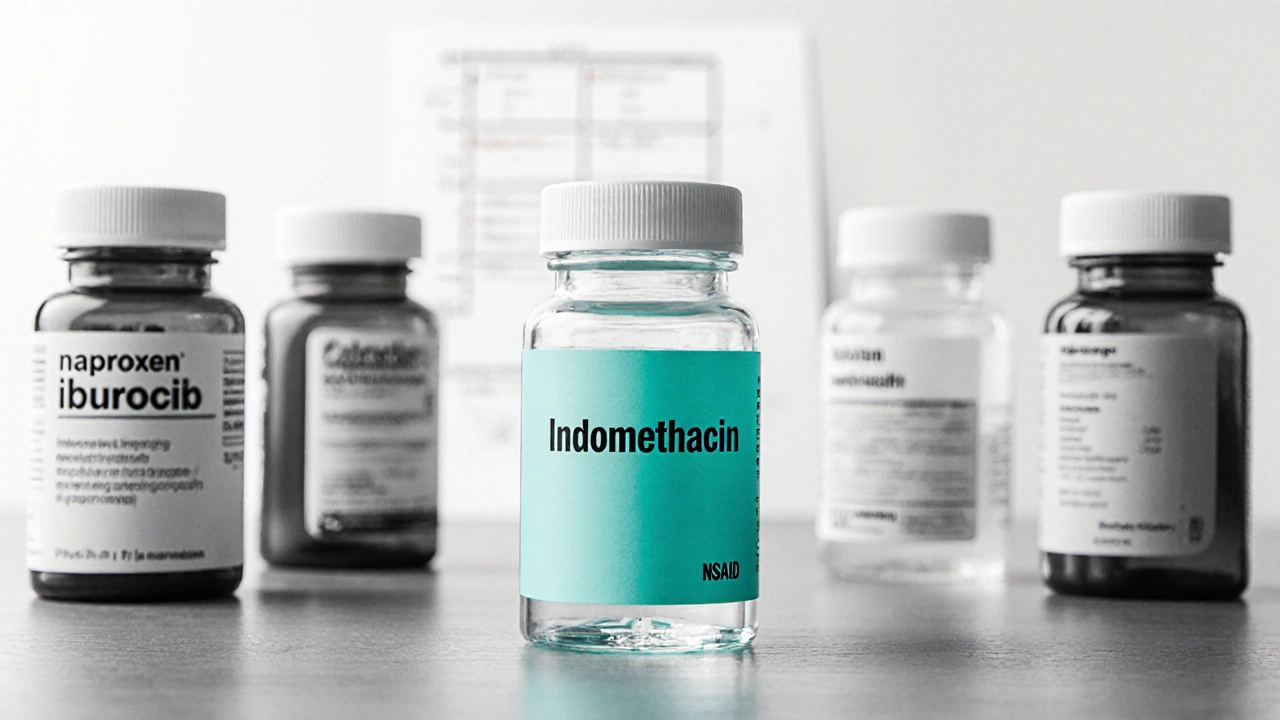
When talking about pain relief meds, medicines that reduce or eliminate discomfort caused by injury, surgery, or chronic conditions. Also known as analgesics, they span a wide range of drug classes. Among the most common are NSAIDs, non‑steroidal anti‑inflammatory drugs that block prostaglandins to cut pain and swelling and acetaminophen, a non‑opioid pain reliever that works mainly in the brain to lower fever and dull aches. These two groups alone cover over half of over‑the‑counter options you’ll see on pharmacy shelves. pain relief meds also include stronger prescriptions like opioid analgesics and supportive agents such as muscle relaxants, each serving a distinct purpose in a comprehensive pain‑management plan. Understanding how these categories differ helps you avoid unnecessary side effects and pick the right product for your situation.
Key Drug Families and How They Work
NSAIDs encompass drugs like ibuprofen, naproxen, and diclofenac; they reduce inflammation by inhibiting COX enzymes, which in turn lowers prostaglandin production. This mechanism makes NSAIDs ideal for joint pain, sports injuries, and postoperative soreness, but it also means they can irritate the stomach lining if taken on an empty stomach. Acetaminophen, on the other hand, requires liver metabolism and carries a risk of hepatotoxicity at high doses, so staying below the recommended 4 g per day is crucial. When pain is moderate to severe and not fully controlled by NSAIDs or acetaminophen, physicians may turn to opioid analgesics, potent painkillers that bind to central nervous system receptors to block pain signals. Opioids can provide rapid relief for acute trauma or cancer‑related pain, yet they influence tolerance, dependence, and a host of side effects like constipation and respiratory depression. Because of these risks, many providers pair a low‑dose opioid with an NSAID or acetaminophen to achieve balanced relief while minimizing the opioid dose.
Beyond the primary classes, muscle relaxants, agents that ease muscle spasms by acting on the central nervous system often complement analgesics for back pain or neck strain. They don’t reduce inflammation directly, but they can improve mobility and allow other meds to work more effectively. Choosing the right combination depends on the pain’s origin, intensity, and your personal health profile. For instance, a patient with hypertension may avoid certain NSAIDs that raise blood pressure, while someone with liver disease should limit acetaminophen. By matching the drug’s attributes—like anti‑inflammatory action, central nervous system effect, and metabolic pathway—to the patient’s needs, you create a safer, more targeted pain‑relief strategy. Below you’ll find a curated list of articles that dive deeper into each medication type, compare options, and offer practical tips for buying quality generics online.