Opioid Therapy: What You Need to Know About Pain Management and Risks
When doctors prescribe opioid therapy, a treatment using medications like oxycodone, hydrocodone, or morphine to manage moderate to severe pain. Also known as narcotic pain relief, it works by binding to receptors in your brain and spinal cord to block pain signals. But it’s not just about relief—it’s a balancing act between comfort and risk.
Opioid therapy is often used for acute pain after surgery or injury, or for chronic pain from cancer or advanced illness. But it’s also one of the most misunderstood treatments in modern medicine. Many people assume it’s safe if a doctor prescribes it, but opioid dependence, a physical and psychological reliance that can develop even with short-term use is real—and it doesn’t always look like addiction. Some patients take their pills exactly as directed and still find they can’t stop without withdrawal symptoms. Others notice their pain gets worse over time, not better, a condition called opioid-induced hyperalgesia.
The risks don’t stop there. opioid side effects, including drowsiness, constipation, nausea, and slowed breathing are common. And when opioids mix with other meds—like benzodiazepines or even some sleep aids—the chance of a fatal overdose spikes. That’s why knowing your full medication list matters. You might not think a muscle relaxer or anxiety pill is dangerous with your pain med, but together, they can shut down your breathing. The FDA has warned about this for years, and emergency rooms see it too often.
There’s also the question of long-term use. For most people with chronic non-cancer pain, guidelines now say opioids shouldn’t be the first or only option. Why? Because the benefits fade over time, while the risks grow. Studies show that after three months, most patients don’t get better pain control—and many start needing higher doses just to feel the same relief. That’s when dependence, tolerance, and even misuse start creeping in.
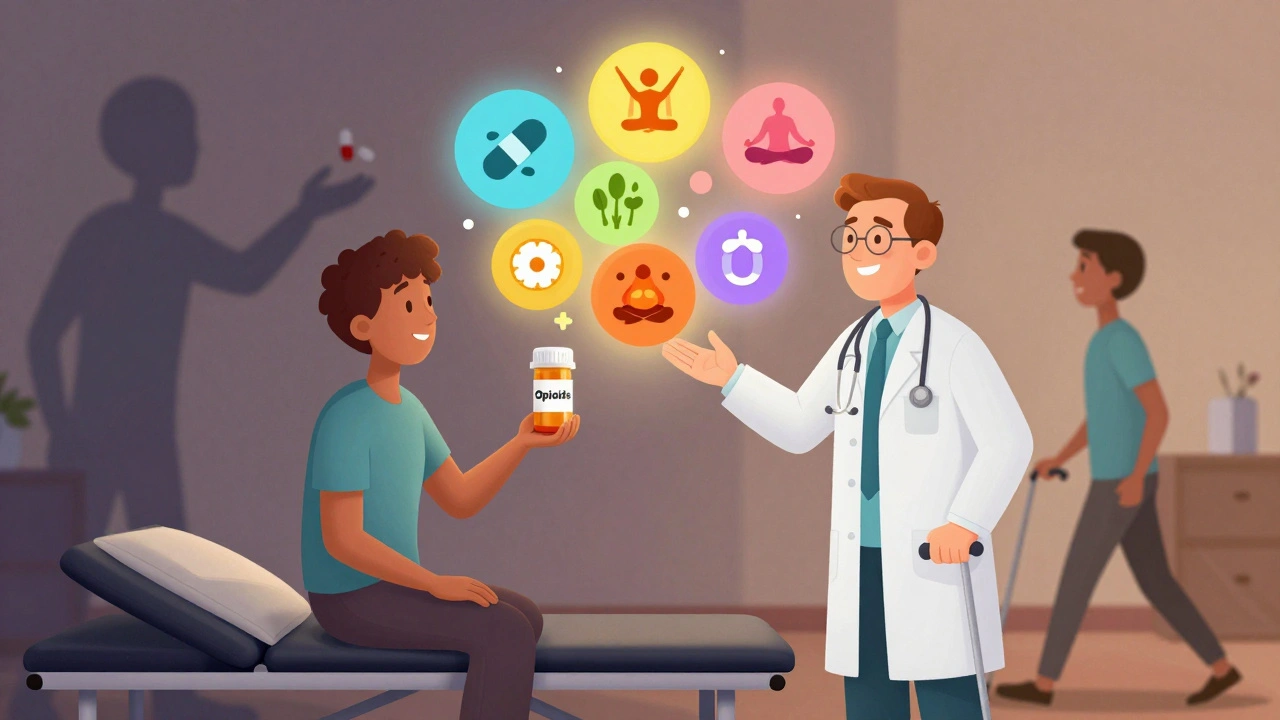
What’s missing from many conversations is what comes next. If you’re on opioid therapy and want to step back, you’re not alone. There are safer, effective alternatives: physical therapy for back pain, nerve blocks for chronic conditions, non-opioid meds like gabapentin or duloxetine, and even mindfulness techniques that help your brain relearn how to process pain. And if you’re worried about withdrawal, help exists—medically supervised tapering, counseling, and support groups can make the difference between struggling alone and finding a way forward.
The posts below cover real situations people face: drug interactions that make opioids more dangerous, how to spot signs of misuse before it’s too late, what to do if you’re on multiple meds, and how to talk to your doctor about safer options. This isn’t about fear—it’s about awareness. You deserve pain relief without trading your safety for it.