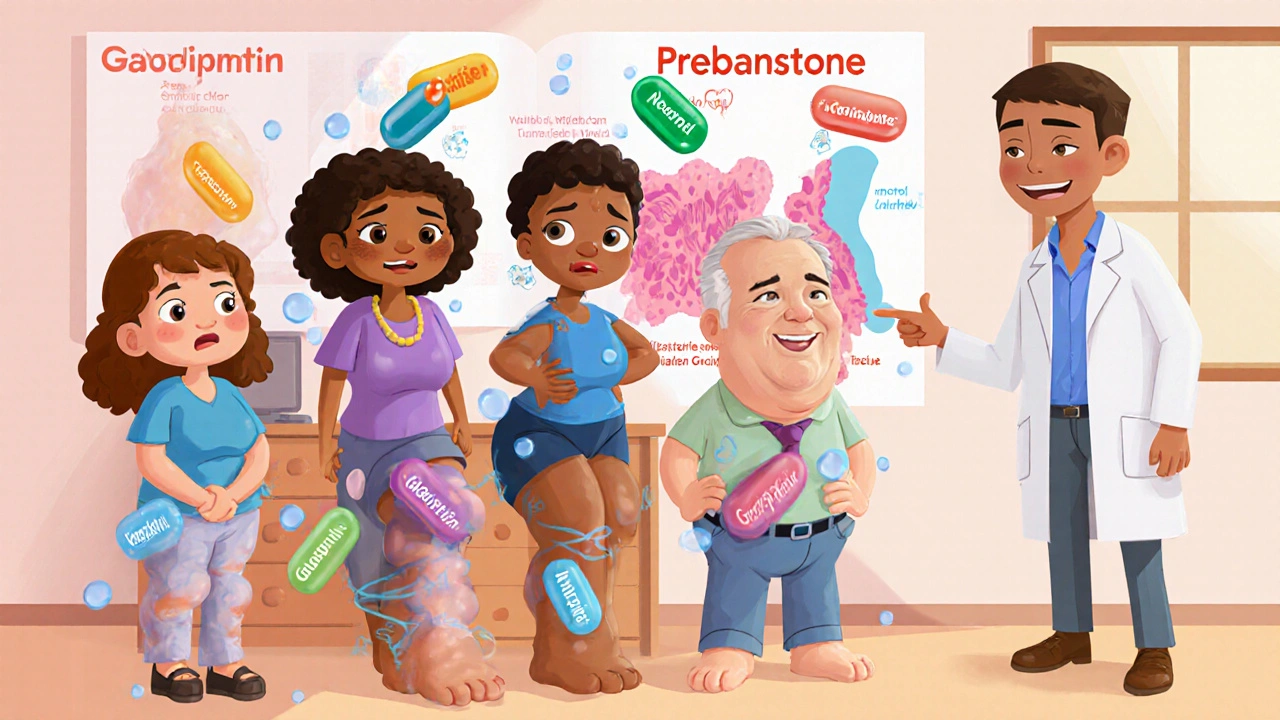
Drug-Induced Edema: Causes, Common Medications, and What to Do
When your ankles, legs, or hands swell up for no clear reason, it might not be just weight gain or standing too long. It could be drug-induced edema, swelling caused by medications that disrupt how your body manages fluid. Also known as medication-related fluid retention, this condition happens when certain drugs make your blood vessels leak fluid into nearby tissues. It’s not rare—millions of people on common prescriptions experience it without realizing why.
Many of the drugs that cause this are ones you’d expect to help you: hypertension drugs, medications used to lower blood pressure like calcium channel blockers (amlodipine, nifedipine) can relax blood vessels so much that fluid escapes into your legs. diuretics, drugs meant to remove excess fluid sometimes backfire—especially if they’re used wrong or combined with other meds. Even NSAIDs like ibuprofen or naproxen, often taken for pain, can trigger swelling by messing with kidney function. And if you’re on diabetes meds like thiazolidinediones or certain steroids, swelling isn’t just a side effect—it’s a known risk.
What makes this tricky is that the swelling doesn’t always show up right away. It can creep in over weeks or months. You might notice your shoes feel tighter, your rings won’t slide off, or your socks leave marks after a long day. It’s easy to blame aging or sitting too much. But if you’re on any of these meds and the swelling started after you began taking them, it’s worth talking to your doctor. They can check if it’s the drug, adjust your dose, or switch you to something else that won’t leave you puffy.
Some people try to fix it with salt-free diets or extra water—but that doesn’t always help. The real fix is often stopping or changing the drug causing it. And if you’re on multiple medications, interactions can make it worse. A pill that’s fine alone might cause swelling when paired with another. That’s why it’s not just about the drug you’re taking—it’s about the whole mix.
Below, you’ll find real-world breakdowns of medications that commonly cause this issue, how they compare to alternatives, and what people actually do to manage it without risking their health. Whether you’re on blood pressure meds, diabetes drugs, or pain relievers, there’s a clear path forward—once you know what’s behind the swelling.