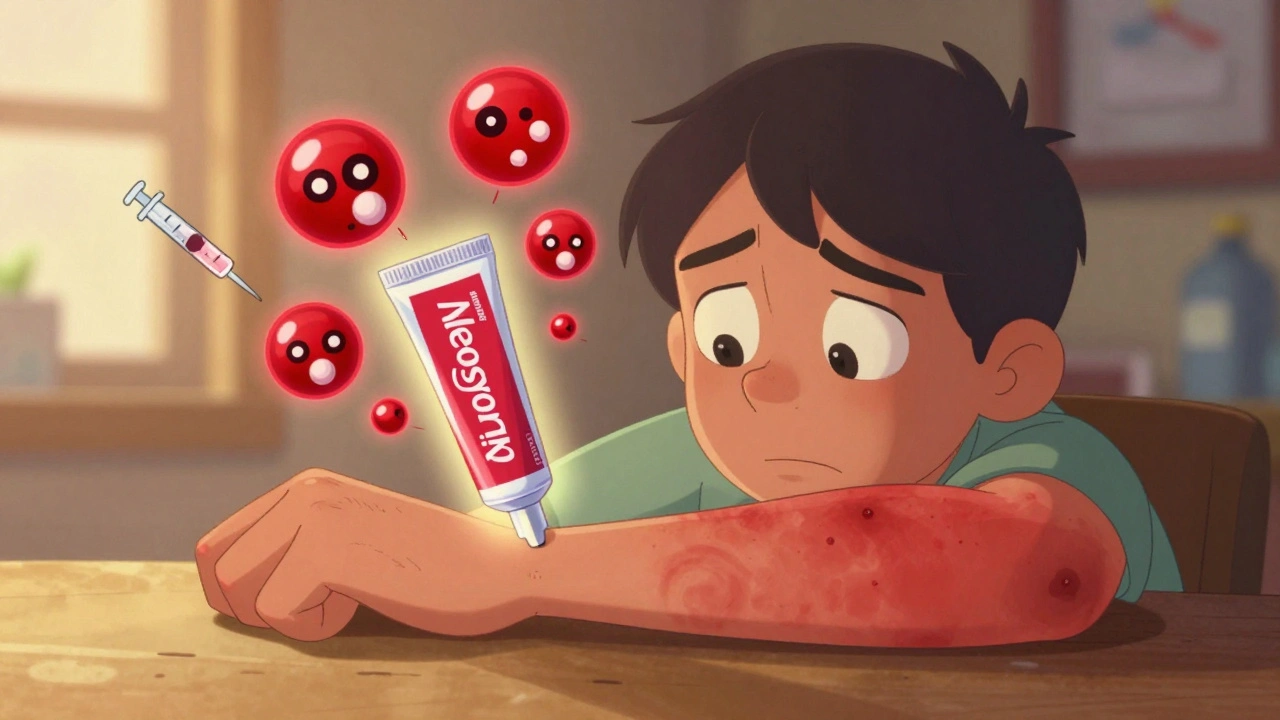
Contact Dermatitis: Causes, Triggers, and How to Manage Skin Reactions
When your skin reacts badly to something you touched, it’s often contact dermatitis, a common skin condition caused by direct contact with an irritant or allergen. Also known as allergic contact dermatitis or irritant dermatitis, it’s not contagious—but it can be painfully persistent. Unlike eczema or hives that come from inside your body, contact dermatitis happens right where the substance met your skin. You might not even realize what caused it until the redness, itching, or blisters show up hours or days later.
This condition shows up in two main ways: irritant contact dermatitis, the most common type, caused by repeated exposure to harsh chemicals like soap, bleach, or solvents, and allergic contact dermatitis, a delayed immune reaction to things like nickel, poison ivy, or certain cosmetics. The difference matters because one can be avoided by washing your hands more often, while the other needs strict avoidance of the trigger—even if you’ve used it safely for years. Many people don’t know that even natural ingredients like tea tree oil or lanolin can trigger reactions. And yes, your favorite hand lotion, jewelry, or even the dye in your jeans could be the culprit.
What makes this tricky is how sneaky the triggers can be. A doctor might test you for allergies with patches on your back, but you still need to track what you touch daily. Some reactions look like burns, others like tiny blisters or dry, cracked skin. And if you’re using topical meds—like hydrocortisone or antihistamine creams—you might be masking the real problem instead of fixing it. That’s why knowing your triggers is the first step to stopping the cycle. You can’t just treat the rash; you have to stop the source.
Below, you’ll find real advice from people who’ve been there. Some posts show how common medications, supplements, or even over-the-counter creams can cause skin reactions. Others explain how to read product labels to avoid hidden irritants, how to tell if a rash is serious enough to see a doctor, and what to do when your skin won’t heal no matter what you try. You’ll learn what’s actually backed by evidence—not just what’s sold in drugstores. This isn’t about quick fixes. It’s about understanding your skin well enough to keep it healthy, long-term.