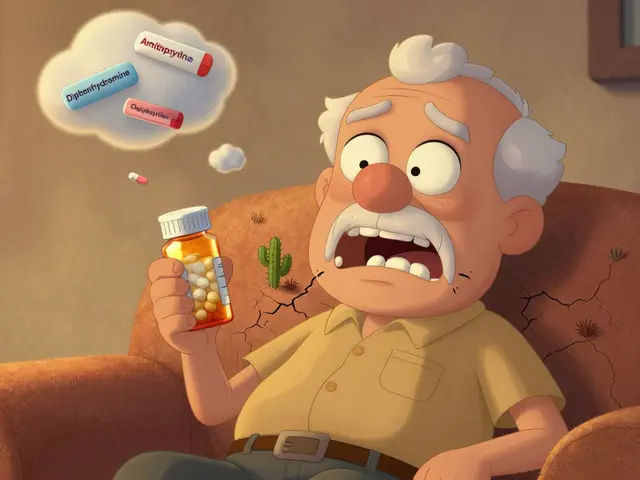
Citrus Drug Interaction Checker
Step 1: Select Your Medication Class
Select the category of medication you are currently taking.
Step 2: Select Citrus Fruit
Which fruit do you plan to consume?
Analysis Result
Risk LevelSummary goes here.
Mechanism:
Explanation of enzyme interaction.
Recommendation:
Actionable advice.
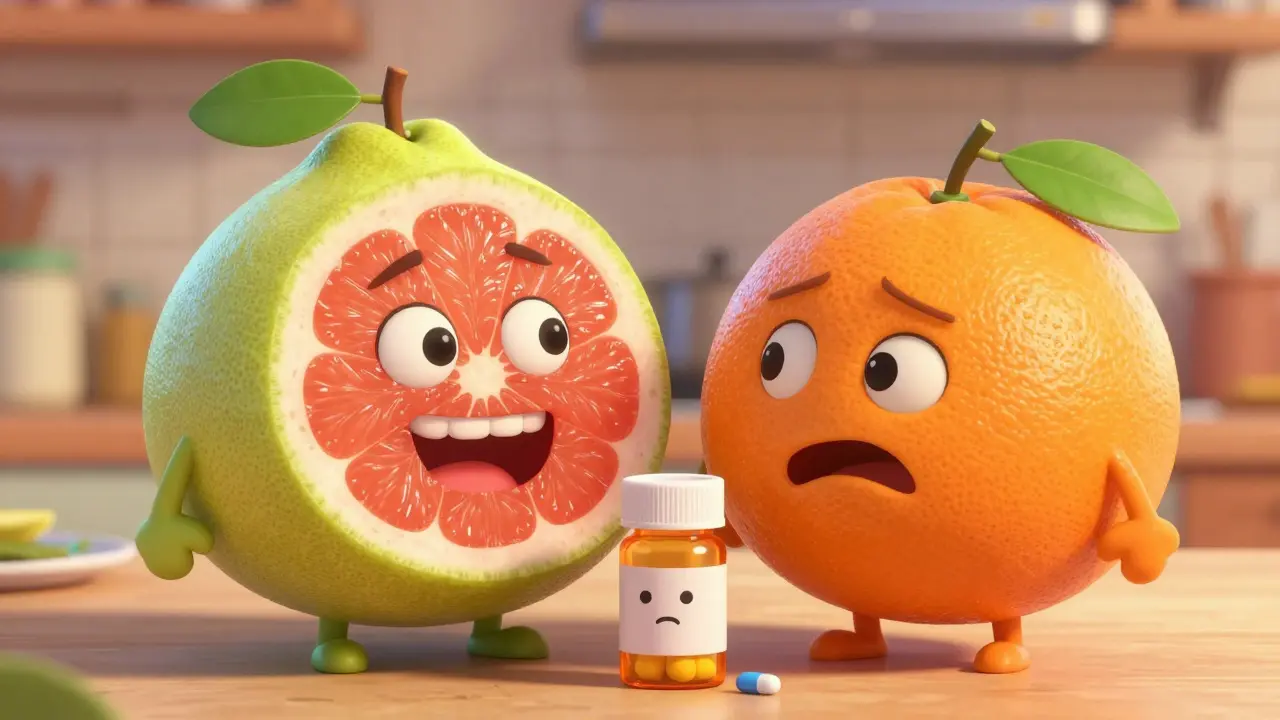
You probably know the drill. Your doctor warns you to avoid grapefruit juice while on certain medications. It’s a standard piece of advice for anyone taking statins or blood pressure meds. But here is the catch: that warning doesn’t stop at grapefruit. Two other common fruits-pomelo and Seville orange-carry nearly identical, and sometimes even stronger, risks. Many people assume these fruits are safe alternatives because they taste different or look distinct from grapefruit. That assumption can lead to dangerous spikes in drug levels within your bloodstream.
If you take prescription medication, understanding the hidden dangers of pomelo and Seville oranges is just as critical as knowing about grapefruit. These fruits contain powerful compounds that interfere with how your body processes drugs. Ignoring them isn't just a minor dietary oversight; it can turn a controlled dose into an overdose. Let's break down exactly why these fruits are problematic, which medications are affected, and how you can stay safe without giving up all citrus entirely.
The Science Behind the Interaction
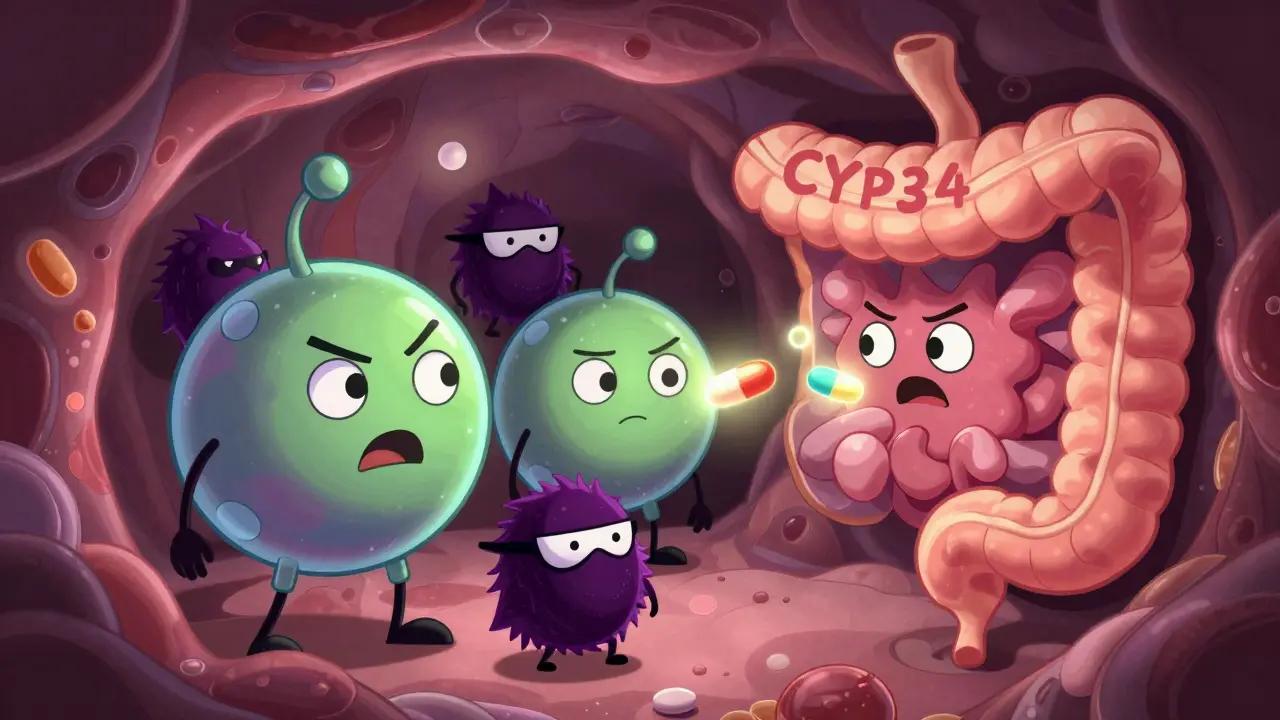
To understand why pomelo and Seville oranges are risky, we need to look at what happens inside your gut. The primary culprit in these fruits is a group of compounds called furanocoumarins. Specifically, two molecules named bergamottin and 6',7'-dihydroxybergamottin do most of the heavy lifting.
Your body uses an enzyme system called cytochrome P450 3A4 (CYP3A4) to break down many common drugs before they enter your bloodstream. This process, known as first-pass metabolism, acts like a filter. Furanocoumarins in pomelo and Seville oranges bind to this enzyme and shut it down. When the enzyme is inhibited, your body can't break down the drug effectively. As a result, much more of the active ingredient enters your system than intended.
| Fruit Type | Bergamottin Concentration (μM) | Clinical Risk Level |
|---|---|---|
| Grapefruit | 1.0 - 2.0 | High |
| Pomelo | 1.5 - 2.5 | Very High |
| Seville Orange | 3.0 - 4.0 | Extremely High |
| Sweet Orange | Negligible | Low/Safe |
As the table shows, Seville orange often contains significantly higher concentrations of bergamottin than grapefruit. A 2017 analysis published in *Food Chemistry* found that some cultivars of Seville orange have levels reaching 3.0-4.0 μM. Pomelo sits in between but still exceeds typical grapefruit levels. This means that swapping grapefruit for pomelo might not reduce your risk-it could actually increase it.
Why Seville Oranges Are Sneaky
Most people don't eat raw Seville oranges. They are too bitter. Instead, you encounter them in processed forms, most notably in traditional marmalades. This creates a unique danger zone. Consumers rarely associate a jar of breakfast marmalade with pharmaceutical interactions.
The peel of the Seville orange contains the highest concentration of furanocoumarins. Since marmalade is made primarily from the peel and pith, it packs a potent punch. A case report published in *Transplantation Proceedings* documented a patient whose tacrolimus levels spiked by 400% after consuming Seville orange marmalade. Tacrolimus is an immunosuppressant used to prevent organ rejection. Such a massive spike can lead to kidney damage and severe toxicity.
The problem is compounded by labeling gaps. According to a 2022 FDA compliance review, only 37% of pomelo and Seville orange products carry drug interaction warnings. Compare that to 78% for grapefruit products. You might be buying "traditional" or "artisanal" marmalade without realizing it’s loaded with the same inhibitors found in grapefruit juice.
Pomelo: The Bigger Cousin
Pomelo (*Citrus maxima*) is the largest citrus fruit and native to Southeast Asia. In Western markets, it’s often sold whole or segmented, and sometimes mislabeled as "Chinese grapefruit." Dr. David Bailey, who discovered the grapefruit-drug interaction phenomenon in 1989, described pomelo as "grapefruit's bigger, more dangerous cousin" due to its higher furanocoumarin content.
A study in the *British Journal of Clinical Pharmacology* found that pomelo juice increased the area under the curve (AUC) for simvastatin-a common cholesterol drug-by 350%. For context, grapefruit juice increased it by 300%. Simvastatin is metabolized by CYP3A4. When pomelo inhibits this enzyme, the drug accumulates in the muscles, increasing the risk of rhabdomyolysis, a serious condition where muscle tissue breaks down and releases damaging proteins into the blood.
Patients often report confusion here. On pharmacy forums, users share stories of being warned about grapefruit but not pomelo. One Reddit user noted their patient developed rhabdomyolysis after eating pomelo daily for two weeks. The lack of awareness among healthcare providers is a significant gap. A 2023 survey showed only 42% of community pharmacists routinely screen for pomelo interactions, compared to 87% for grapefruit.
Which Medications Are Affected?
Not every drug interacts with these fruits. The risk is concentrated in medications metabolized by the CYP3A4 enzyme or transported by organic anion-transporting polypeptides (OATPs). If your medication is broken down by other pathways, like CYP2D6, you are likely safe. However, several major drug classes fall into the high-risk category.
- Statins: Simvastatin, atorvastatin, and lovastatin are highly susceptible. Increased levels raise the risk of muscle pain and kidney failure.
- Calcium Channel Blockers: Drugs like felodipine, nifedipine, and amlodipine can cause dangerously low blood pressure if combined with pomelo or Seville orange.
- Immunosuppressants: Cyclosporine and tacrolimus require precise dosing. Interactions can lead to organ rejection or toxic side effects.
- Anxiety Medications: Buspirone levels can skyrocket, leading to excessive drowsiness and serotonin syndrome symptoms.
- Allergy Medications: Fexofenadine relies on OATP transporters, which are also inhibited by flavonoids in these fruits, reducing the drug's effectiveness rather than increasing toxicity.
The University of Florida Center for Pharmacogenomics maintains a list of over 107 medications with significant interaction potential. If you are unsure, check the package insert for mentions of "CYP3A4 inhibitors" or "grapefruit juice." If it lists grapefruit, it almost certainly applies to pomelo and Seville oranges too.
How Long Does the Effect Last?
This is where many people get tripped up. You might think, "I'll just take my pill with water and eat my pomelo salad later." Unfortunately, the inhibition is irreversible. Once the furanocoumarins bind to the CYP3A4 enzymes in your intestine, those specific enzyme molecules are dead. Your body has to synthesize new ones.
This regeneration process takes time. The effects of a single serving of pomelo or Seville orange can last up to 72 hours. Shiew Mei Huang, Ph.D., from the FDA Division of Clinical Pharmacology, explains that even small amounts-as little as 200 mL of juice-can trigger this prolonged blockage. This means avoiding the fruit for just one day before taking a sensitive medication isn't enough. You need a consistent avoidance period.
Safe Alternatives and Practical Steps
You don't have to give up citrus entirely. Sweet oranges, lemons, limes, and tangerines generally do not contain significant levels of furanocoumarins. They are safe to consume with most medications. When shopping, read labels carefully. Avoid any product listing "Seville orange," "bitter orange," or "Citrus aurantium." Be cautious with "marmalade" unless it specifies it is made from sweet oranges.
Here is a quick checklist for managing your intake:
- Ask your pharmacist: Don't just ask about grapefruit. Explicitly ask, "Do pomelo or Seville oranges interact with my meds?"
- Check the label: Look for warnings on supplement bottles and fruit packaging. Note that current labeling laws are inconsistent, so absence of a warning doesn't guarantee safety.
- Stick to safe citrus: Swap pomelo for sweet oranges or grapefruit-safe alternatives like cantaloupe.
- Wait 72 hours: If you accidentally consume pomelo or Seville orange, wait at least three days before restarting sensitive medications, or consult your doctor immediately.
The European Medicines Agency issued a scientific opinion in 2019 stating that pomelo and Seville orange should be treated as equivalent to grapefruit until proven otherwise. This guidance is slowly trickling down to clinical practice, but patient education remains key. By staying informed, you protect yourself from adverse events that are entirely preventable.
Is pink grapefruit safer than red grapefruit regarding drug interactions?
No. All varieties of grapefruit, including pink and white flesh, contain furanocoumarins. The color of the flesh does not determine the presence of these compounds. In fact, some studies suggest that the peel and outer pulp contain the highest concentrations, regardless of internal color. Treat all grapefruit types with equal caution.
Can I eat pomelo if I take generic versions of statins?
It depends on the specific statin. Generic simvastatin, atorvastatin, and lovastatin are metabolized by CYP3A4 and will interact with pomelo. However, rosuvastatin and pravastatin are not significantly metabolized by this enzyme and are generally considered safe to consume with pomelo. Always verify the specific chemical name of your medication.
Does cooking or juicing remove the dangerous compounds in Seville oranges?
No. Furanocoumarins are heat-stable compounds. Cooking, boiling, or juicing does not destroy them. In fact, concentrating the fruit into juice or marmalade can increase the potency per serving because you are consuming a larger volume of the active compounds in a smaller amount of food.
How soon after eating pomelo can I take my medication safely?
You cannot simply wait a few hours. Because the enzyme inhibition is irreversible, the effect lasts up to 72 hours. To be safe, you should avoid pomelo entirely while taking interacting medications. If you must consume it, discuss a temporary pause in medication with your doctor, but do not self-adjust doses.
Are there any benefits to avoiding these fruits beyond drug interactions?
While pomelo and Seville oranges are nutritious, containing vitamin C and fiber, the risk of drug toxicity outweighs these benefits for patients on sensitive medications. Switching to sweet oranges or lemons provides similar nutritional value without the interaction risk, making it a smarter choice for overall health management.