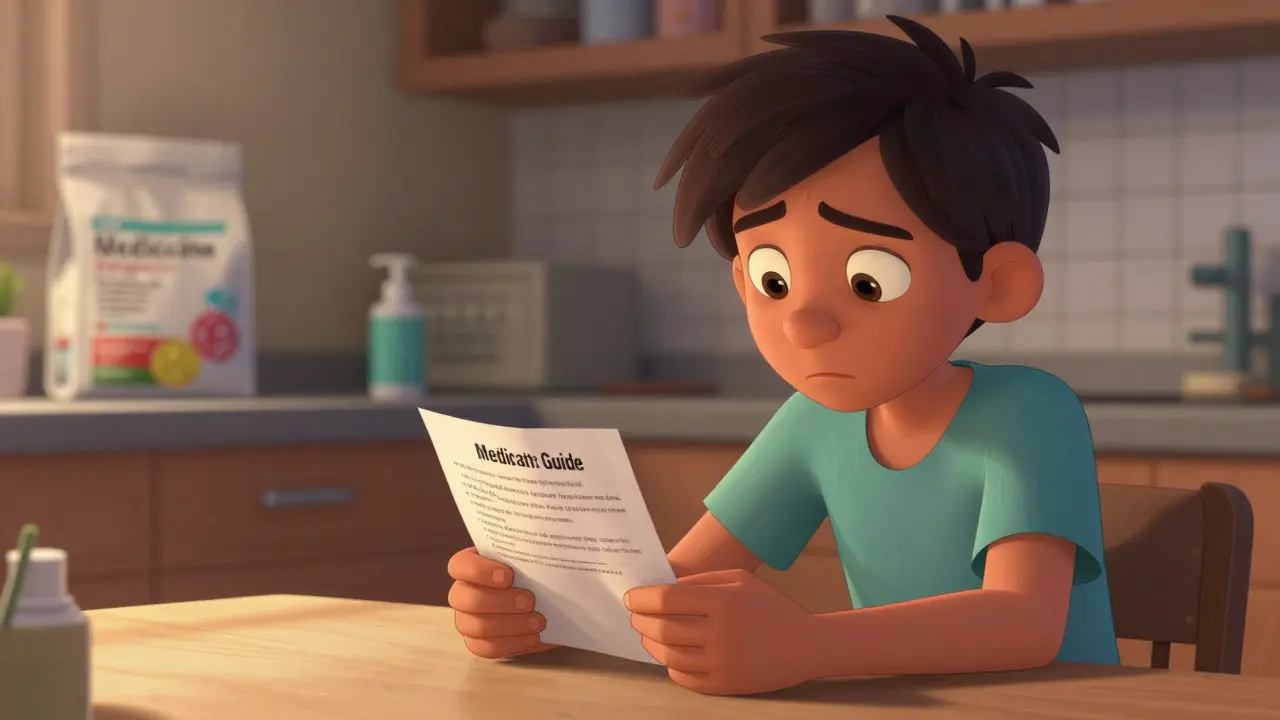
You pick up a new prescription. The pharmacist hands you a small paper sheet tucked inside the bag. It’s called a Medication Guide, defined as a document provided by the FDA for certain high-risk drugs to help patients use them safely. Most people glance at it and toss it aside. But that sheet holds the key to avoiding serious health crises. Drug interactions are not just minor side effects; they can be fatal. According to data from the Institute of Medicine, medication errors contribute to thousands of deaths annually, with drug interactions representing a significant portion of adverse events.
Understanding these warnings is not about memorizing medical jargon. It is about knowing where to look and what specific words mean danger. Whether you are managing chronic conditions or picking up a one-time antibiotic, reading these guides correctly can save your life. Here is how to decode the language of safety warnings without needing a pharmacy degree.
The Anatomy of a Medication Guide
Not every pill comes with a guide, but those that do usually contain high-risk medications like blood thinners, antidepressants, or strong painkillers. The U.S. Food and Drug Administration (FDA) mandates these guides for drugs with serious public health concerns. When you hold one in your hand, it follows a strict structure designed for quick scanning.
The most critical section is labeled Drug Interactions. In professional prescribing information, this is Section 7, but on patient guides, it often appears under "Warnings" or "Precautions." This section details clinically significant interactions-situations where two substances mix poorly in your body. For over-the-counter (OTC) meds, look for the "Drug Facts" label. The FDA requires interaction info here too, specifically in the "Warnings" box.
Pay attention to formatting. The FDA’s updated templates use visual cues to signal urgency:
- Bold text usually indicates absolute contraindications. If it says "Do not take [Drug X] if...", stop reading and follow that instruction immediately.
- Italics often mark precautionary statements like "Ask a doctor before use if...". These require a conversation with your provider but aren't immediate bans.
- Black Box Warnings are the highest level of alert. They highlight risks that can be fatal, such as severe bleeding or organ failure.
For example, the medication guide for Warfarin, a common blood thinner, includes a black box warning about interactions with nonsteroidal anti-inflammatory drugs (NSAIDs). Combining these increases bleeding risk by 70-100%. That number isn't abstract; it means a higher chance of internal hemorrhage from a simple bruise.
Decoding Severity Levels
Not all interactions are created equal. Some cause a mild headache; others shut down your kidneys. To make sense of the chaos, experts categorize interactions into tiers. While different organizations use slightly different names, the logic remains consistent.
| Severity Level | What It Means | Action Required |
|---|---|---|
| Contraindicated / Major | Absolute avoidance required. Serious adverse effects are likely or proven. | Do not combine. Seek alternative treatment immediately. |
| Moderate | Monitoring required. Effects may vary by individual. | Consult your doctor. Dose adjustments or timing changes may help. |
| Minor | Generally safe. Minimal clinical significance. | Usually no action needed, but stay aware. |
Organizations like CredibleMeds use similar categories: "Known Risk," "Potential Risk," and "Conditional Risk." About 87% of major hospital systems rely on these classifications to manage patient care. When you see "Major" or "Contraindicated" on your guide, treat it as a hard stop. If it says "Moderate," it’s a yellow light-proceed with caution and professional advice.
The Hidden Culprits: OTCs and Supplements
Here is the biggest mistake patients make: they only check interactions between their prescription pills. Dr. Joseph Grillo, a Professor of Pharmacy at Northeastern University, points out that many people ignore over-the-counter medications and supplements. Yet, these account for 37% of clinically significant interactions reported to the FDA.
Think about your daily routine. You might take a statin for cholesterol. Then, you catch a cold and grab ibuprofen or an herbal supplement like St. John’s Wort. You assume it’s fine because it didn’t come from a prescription pad. It’s not.
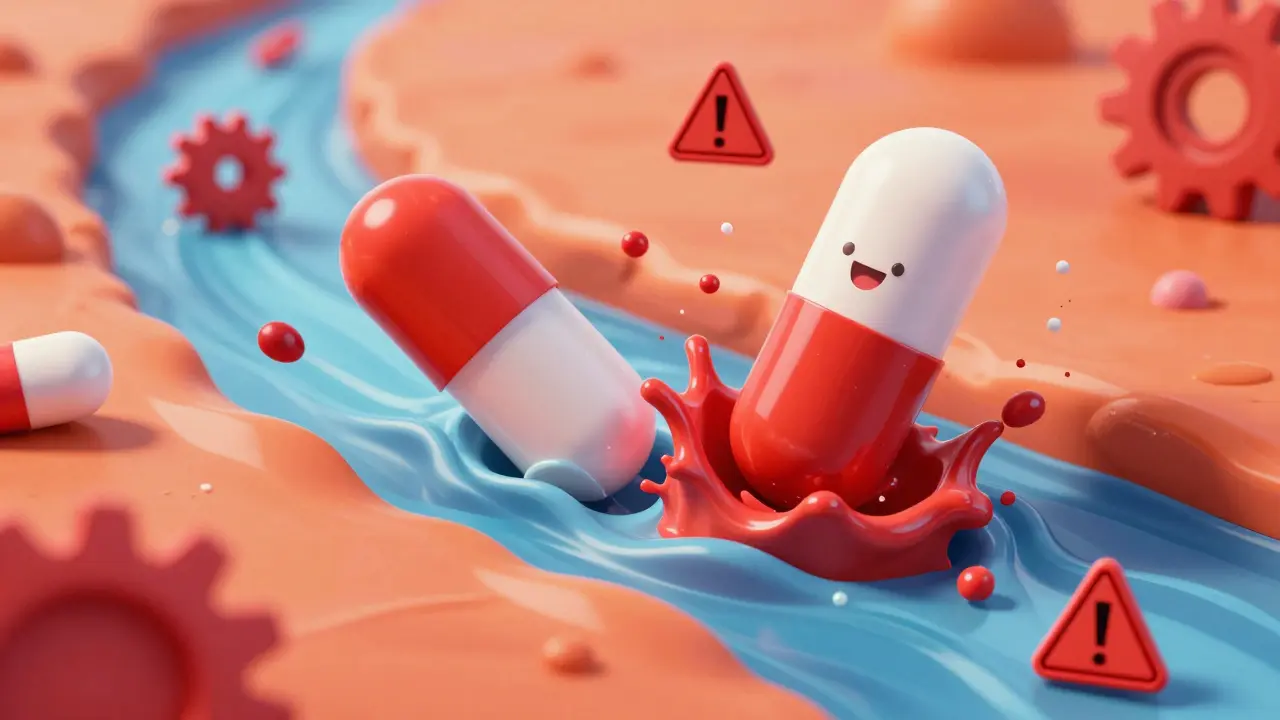
Cytochrome P450 enzymes, particularly CYP3A4, metabolize approximately 50% of all prescription drugs. Many OTCs and herbs interfere with these enzymes. For instance, taking simvastatin with clarithromycin (an antibiotic) can increase simvastatin exposure in your blood by 10-fold. This spikes the risk of rhabdomyolysis-a condition where muscle tissue breaks down and damages kidneys-from 0.04% to 0.4% annually. That tenfold increase happens because the enzyme meant to break down the statin is blocked by the antibiotic.
Always include vitamins, herbal remedies, and OTC pain relievers in your interaction checks. If the guide mentions "other medications," it includes everything you swallow.
Food and Drink: More Than Just Flavor
Food-drug interactions are often the most confusing part of medication guides. A Consumer Reports survey found that 67% of patients were confused about dietary restrictions. The guide might say "avoid grapefruit," but it rarely explains why or how much is too much.
Grapefruit contains compounds that inhibit the same CYP3A4 enzymes mentioned earlier. One glass of grapefruit juice can increase the INR (International Normalized Ratio) for warfarin users by 1.5-2.0 within 24 hours. This makes the blood thinner work too well, leading to dangerous bleeding. You don’t need a whole bowl of grapefruit salad to trigger this; even a single serving matters.
Other common food triggers include:
- Vitamin K-rich foods (like spinach and kale) which counteract blood thinners.
- Dairy products which can bind to antibiotics like tetracyclines, preventing absorption.
- Alcohol which amplifies the sedative effects of opioids and benzodiazepines, risking respiratory depression.
If the guide lists dietary warnings, take them literally. Do not guess portions. Ask your pharmacist exactly what "moderate" intake looks like for your specific dosage.
Timing Is Everything
Sometimes, you don’t have to stop a medication entirely. You just need to separate the doses. Dr. David Graham, an FDA Associate Director, noted that 65% of serious drug interactions occur with medications taken within 30 days of each other. However, spacing them out can mitigate 60% of moderate interactions.
Look for phrases like "separate doses by 2-4 hours." This is crucial for drugs that compete for absorption in the gut. For example, thyroid medication (levothyroxine) should be taken on an empty stomach, away from calcium supplements or iron, which block its absorption. Taking them together renders the thyroid drug ineffective, leaving you hypothyroid despite taking your pill.
Create a schedule. Write down when you take each med. If two interact moderately, shift one morning dose to evening, or vice versa. Keep a log. This simple habit prevents accidental overlaps.
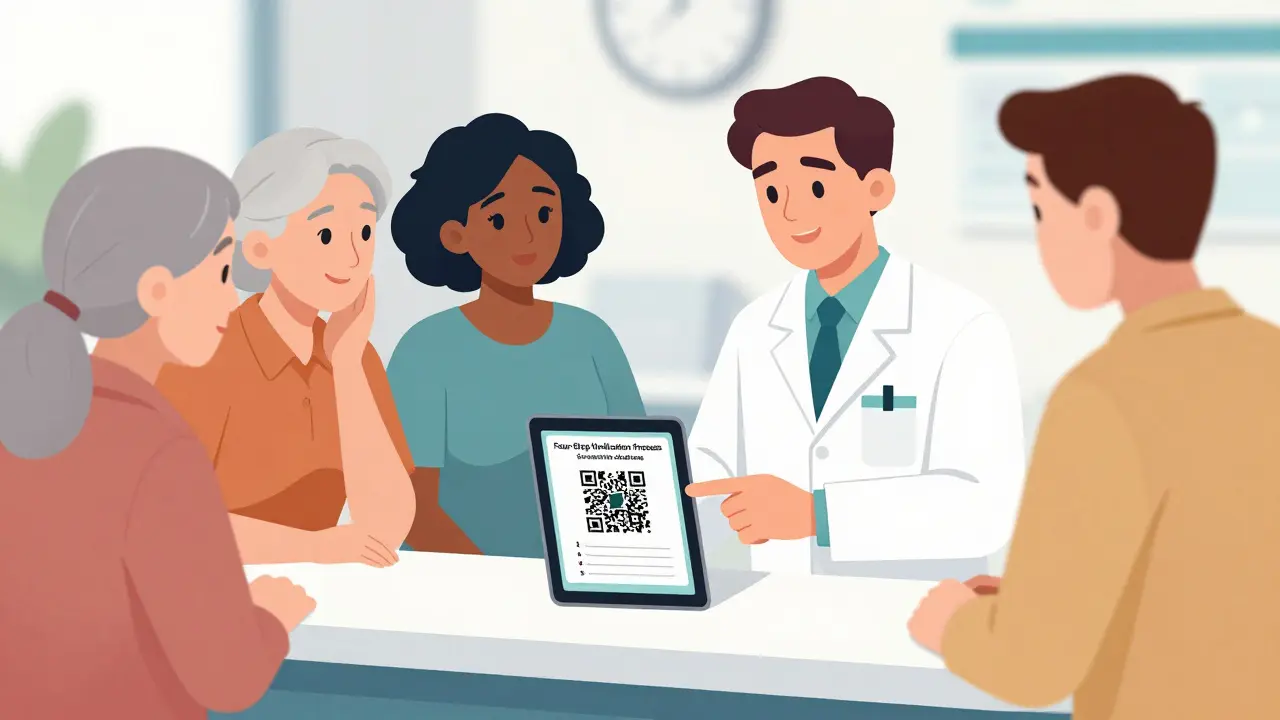
Your Four-Step Verification Process
To turn this knowledge into action, follow this practical checklist derived from the Cleveland Clinic’s Medication Safety Program. The average patient takes 4.7 medications, making manual checking essential.
- List Everything: Write down every prescription, OTC drug, supplement, and herbal remedy you take. Include dosages and frequencies.
- Locate the Sections: Find the "Warnings" and "Drug Interactions" sections in each medication guide. Highlight any bolded contraindications.
- Cross-Reference: Use the FDA’s Drug Interaction Checker online. Enter your full list. Look for "Major" or "Contraindicated" flags.
- Consult a Professional: Take your list and the flagged interactions to a pharmacist. Ask specifically about timing adjustments. Don’t just ask "is it safe?" Ask "how do I space these out?"
New tools are emerging to help. Since January 2025, the FDA’s Digital Medication Guide Initiative requires new drugs to include QR codes linking to interactive digital guides. Scan them for voice navigation and real-time updates. If your older meds don’t have QR codes, photograph the physical guides. Having a digital backup allows you to search for keywords like "grapefruit" or "antibiotic" instantly.
When to Call for Help
Reading guides is proactive, but reacting to symptoms is reactive. Know the signs of a bad interaction. Serotonin syndrome, caused by mixing certain antidepressants (like sertraline) with tramadol, presents with agitation, rapid heart rate, and tremors. Bleeding risks from anticoagulants show up as unusual bruising or nosebleeds.
If you experience sudden changes in energy, digestion, or mental state after starting a new med, don’t wait. Contact your healthcare provider. Bring the medication guide with you. It provides the evidence base for your concern.
Medication safety is a partnership. The guide gives you the rules; you provide the vigilance. By decoding these warnings, you move from passive patient to active guardian of your own health.
What does "contraindicated" mean on a medication guide?
Contraindicated means you should absolutely not take the drug with another specific substance. It is a hard prohibition due to high risk of severe harm or death. Unlike "use with caution," there is no safe way to combine these items.
Do I need to worry about vitamin supplements interacting with my prescriptions?
Yes. Supplements are not regulated as strictly as drugs but still contain active ingredients. Herbs like St. John’s Wort or garlic supplements can significantly alter how your liver processes medications, leading to toxicity or reduced effectiveness. Always include them in your interaction checks.
Why does grapefruit juice interact with so many medications?
Grapefruit contains furanocoumarins, which block the CYP3A4 enzyme in your intestines. This enzyme breaks down many drugs. When blocked, more of the drug enters your bloodstream than intended, effectively overdosing you even if you took the correct pill amount.
How long do I need to wait between taking two interacting medications?
It depends on the interaction type. For absorption issues, separating doses by 2-4 hours often helps. For metabolic interactions involving liver enzymes, spacing them out may not help at all. Always consult a pharmacist for specific timing advice based on your drugs.
Are online drug interaction checkers reliable?
They are useful starting points but not perfect. Tools like the FDA’s checker or those from major hospitals use standardized databases. However, they cannot account for your unique genetics or health history. Use them to identify potential risks, then verify with a healthcare professional.