
Medication errors are not just hospital problems. They happen at home, often quietly, until they cause serious harm. If you or a loved one takes multiple prescriptions, over-the-counter drugs, or supplements, the risk of an adverse drug event (ADE) rises significantly. In fact, data suggests that one in five patients receiving home care experiences an ADE. The good news? You don’t have to accept this risk as inevitable. By building a structured personal medication safety plan with your care team, you can catch mistakes before they happen.
This isn’t about becoming a pharmacist overnight. It’s about creating a system-a set of habits, tools, and communication protocols-that protects you when memory fades, instructions get confusing, or new drugs interact badly with old ones. Let’s walk through exactly how to build this plan, step by step, so you can take control of your health safely.
Why a Formal Safety Plan Matters
You might think, "I’ve been taking these pills for years; what could go wrong?" But medication safety is dynamic. As your body changes, as doctors add new treatments, and as you pick up different over-the-counter remedies, the landscape shifts. Research from the American College of Clinical Pharmacy (ACCP) shows that preventable ADEs are rarely caused by a single mistake. Instead, they result from failures across multiple steps: prescribing, monitoring, dispensing, and patient action.
Specifically, deficiencies in prescribing and monitoring contribute to 50-60% of these events. Patient actions or communication breakdowns account for another 20%. Only 2% stem from dispensing errors at the pharmacy. This means the biggest leverage points for safety lie in how well you communicate with your providers and how consistently you manage your own regimen. A formal safety plan addresses these gaps head-on.
Personal Medication Safety Plan is a collaborative framework between patients and healthcare providers designed to prevent medication errors, ensure proper usage, and monitor effectiveness throughout treatment. It originated from systematic efforts by organizations like the Institute for Safe Medication Practices (ISMP) to address preventable harm in healthcare settings.
Step 1: Create a Comprehensive Medication Inventory
The foundation of any safety plan is knowing exactly what you are taking. Many people forget that "medications" include more than just prescription pills. You need to list everything:
- Prescription medications
- Over-the-counter (OTC) drugs (pain relievers, antacids, sleep aids)
- Vitamins and herbal supplements
- Topical creams or patches
For each item, record the name, dosage, frequency, and the reason it was prescribed. The Alzheimer's Association recommends keeping this list in your wallet or purse at all times. Update it at least once a year, or immediately whenever a change occurs. This document becomes your single source of truth during appointments and emergencies.
Step 2: Verify Details with Your Care Team
Having a list isn’t enough; you must verify its accuracy. Bring your inventory to every doctor’s appointment. Ask your physician or pharmacist to check for potential drug interactions. This is crucial because even benign supplements can interfere with powerful prescription drugs.
Don’t be shy about asking questions. Use specific prompts like:
- "What is the primary purpose of this medication?"
- "What side effects should I watch for?"
- "Does this interact with my other medications?"
- "Is there a generic alternative that works just as well?"
Your care team includes not just your primary care physician, but also specialists, pharmacists, and mental health providers. Ensure everyone knows about every substance entering your body. Communication failures here are a leading cause of adverse events.
Step 3: Establish Secure Storage and Labeling Protocols
Where do you keep your meds? If they’re scattered in drawers, purses, or unlabeled containers, you’re setting yourself up for failure. Secure storage is universally recommended, especially if you live with children, pets, or individuals who may struggle with impulsivity or cognitive challenges.
Use a locked cabinet or box for high-risk medications. For daily use, clear labeling is non-negotiable. Every container should display:
- Patient’s name
- Medication name
- Dosage instructions
- Prescribing provider’s contact information
If you transfer pills to smaller organizers, ensure the labels remain legible. One caregiver reported a terrifying incident where their mother double-dosed heart medication because it was stored in an unlabeled container next to her bed. Simple labeling prevents such disasters.

Step 4: Implement Administration Systems
Consistency is key. Use tools that support your routine. A weekly pill organizer (pill box) is one of the most effective low-tech solutions. It visually confirms whether you’ve taken your dose for the day. Pair this with a fixed daily routine-such as taking morning meds with breakfast and evening meds with dinner-to build habit strength.
For those with cognitive decline, simplicity wins. Use simple language and clear instructions. Instead of vague directions, say: "Here’s the pill for your blood pressure. Put it in your mouth and drink some water." If possible, enlist a trusted friend or family member to oversee administration. This shared responsibility reduces the burden on the patient and adds a layer of oversight.
Step 5: Set Up Routine Monitoring and Check-ins
A static plan fails over time. You need regular assessments to evaluate effectiveness and adjust as needed. Schedule routine appointments with your healthcare providers specifically to review your medication regimen. Don’t wait for problems to arise.
During these check-ins, discuss:
- Any new side effects
- Changes in symptoms or conditions
- Adherence difficulties
- Potential deprescribing opportunities (stopping unnecessary meds)
Document any concerns. If you feel confused, dizzy, or unusually fatigued, note when it happens relative to your doses. This data helps your provider distinguish between disease progression and medication-related issues.
Step 6: Prepare Emergency Protocols
Hopes for the best, prepare for the worst. Maintain updated medication records accessible to emergency contacts. In the event of a serious drug interaction, overdose, or sudden illness, first responders need immediate access to accurate information.
Consider carrying a medical ID bracelet or keeping a digital copy of your medication list on your phone. Share your safety plan with close family members or caregivers so they know how to assist you in a crisis. Knowledge empowers them to act quickly and correctly.
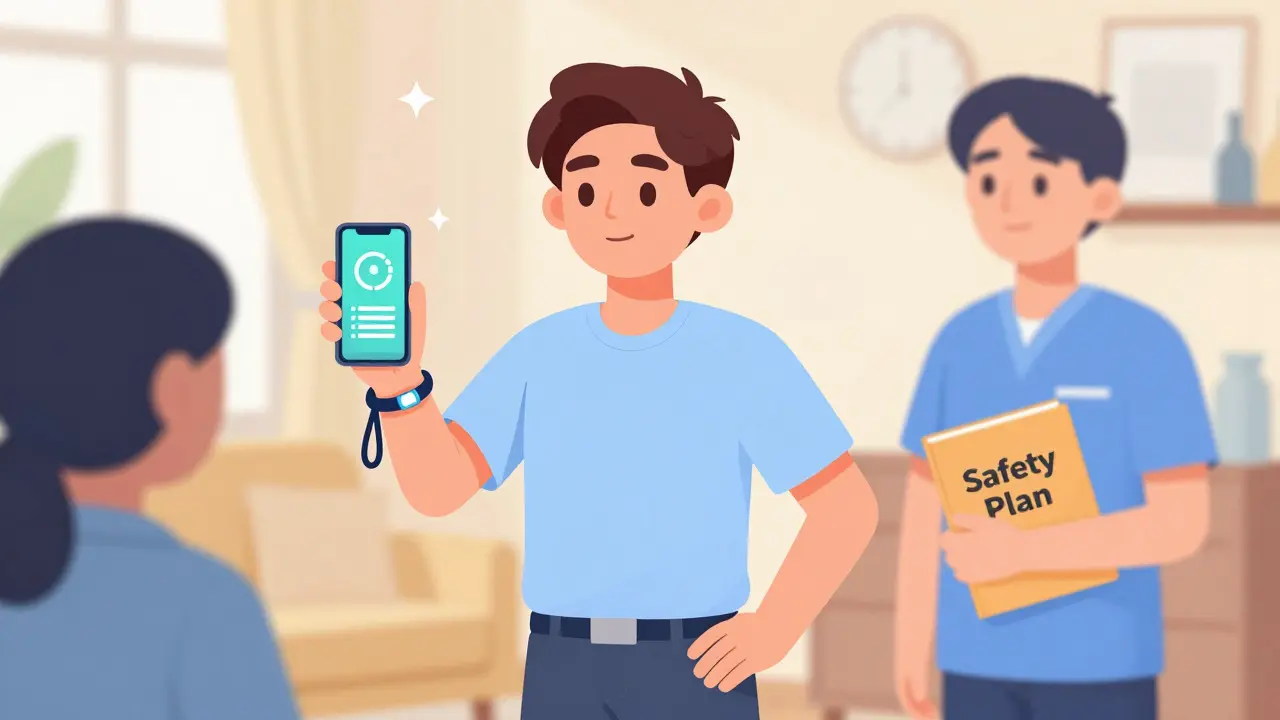
Comparison: Key Components of a Medication Safety Plan
| Component | Action Required | Frequency |
|---|---|---|
| Medication Inventory | List all prescriptions, OTCs, and supplements with dosages | Update annually or after any change |
| Provider Verification | Review list with doctor/pharmacist for interactions | At every appointment |
| Secure Storage | Use locked cabinets; label all containers clearly | Ongoing maintenance |
| Administration Aid | Use pill organizers; establish fixed daily routines | Daily |
| Monitoring Check-ins | Assess effectiveness and side effects with provider | Every 3-6 months or as directed |
| Emergency Access | Keep records accessible; inform caregivers | Always current |
Common Pitfalls to Avoid
Even well-intentioned plans fail if certain traps are ignored. First, omitting supplements from your list is a major error. Herbal remedies like St. John’s Wort or Ginkgo Biloba can drastically alter how prescription drugs work. Second, assuming that "if it hasn’t happened to me, it won’t" creates complacency. Adverse events often creep up gradually. Third, neglecting fall risks. Some medications increase dizziness or balance issues, particularly in older adults. Discuss fall risk explicitly with your provider.
Finally, don’t rely solely on technology. While apps and smart pillboxes help, they cannot replace human judgment and communication. Technology supports the plan; it doesn’t create the culture of safety.
FAQ
Who should be involved in my medication safety plan?
Your plan should involve your primary care physician, specialists, pharmacists, and any caregivers or family members assisting with daily management. Collaboration ensures everyone is aligned on your regimen and potential risks.
How often should I update my medication list?
Update your list immediately whenever a new medication is added, stopped, or changed in dosage. Additionally, conduct a full review at least once a year to remove discontinued items and verify current details.
Are over-the-counter drugs really that risky?
Yes. OTC medications and supplements can interact dangerously with prescriptions. For example, ibuprofen may affect kidney function when combined with certain blood pressure meds. Always disclose OTC use to your provider.
What should I do if I miss a dose?
Check the medication guide or ask your pharmacist for specific instructions. Generally, if it’s close to the next dose, skip the missed one. Never double up unless explicitly advised, as this increases overdose risk.
How can I tell if a medication is causing side effects?
Track new symptoms alongside your medication schedule. Note timing, severity, and duration. Report these observations to your provider promptly. Sudden confusion, dizziness, or rash are common red flags requiring immediate attention.