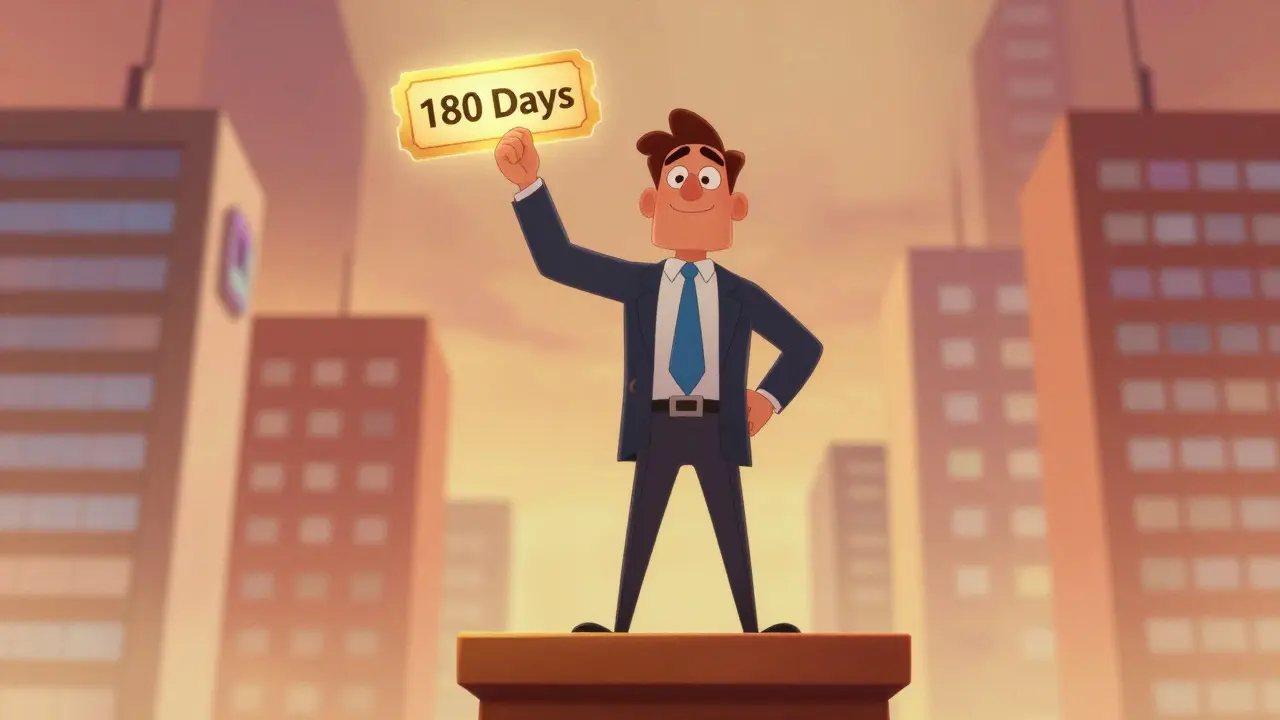
Imagine finding a gold nugget that lets you be the only seller of a popular medicine for six months. That is exactly what happens when a company files the first Abbreviated New Drug Application (ANDA) with a Paragraph IV patent certification. This move triggers a statutory reward known as 180-day exclusivity, which grants the winning applicant a temporary monopoly on selling the generic version of a brand-name drug. It sounds like a massive advantage, and it is. But why does the system work this way? And why do some companies file just to block others without ever selling the drug?
The Origin Story: Balancing Innovation and Access
To understand why the first filer gets such a huge prize, we have to look back at 1984. Before then, the U.S. pharmaceutical market was stuck in a difficult spot. Brand-name drug companies held patents that kept prices high, but there was little incentive for generic manufacturers to challenge those patents. Challenging a patent meant risking expensive lawsuits against powerful incumbents. The result? Patients paid full price for drugs long after they should have had cheaper alternatives.
Congress solved this with the Drug Price Competition and Patent Term Restoration Act of 1984, commonly known as the Hatch-Waxman Amendments. This law created a delicate balance. It gave brand-name companies a bit more time to recoup their R&D costs through patent term restoration. In return, it created a fast-track pathway for generics to enter the market once patents expired or were invalidated. The key carrot in this deal was the 180-day exclusivity period. By rewarding the first brave soul to challenge a patent, the government hoped to accelerate the arrival of affordable medicines.
The logic is simple: if the first challenger wins big, other companies will follow suit, keeping the pipeline of generic challenges active. Without this incentive, many generic firms would simply wait for patents to expire naturally, delaying access to lower-cost drugs by years.
How to Qualify for the Prize
Earning this exclusivity isn't automatic. You can't just file an application and hope for the best. The rules are strict, defined under Section 505(j)(5)(B)(iv) of the Federal Food, Drug, and Cosmetic Act. Here is what you need to hit the mark:
- Be the First: You must be the very first applicant to submit a "substantially complete" ANDA to the FDA. "Substantially complete" means the application includes all required data, including chemistry, manufacturing, and controls information. It’s not enough to just mail in a cover letter; the science has to be ready.
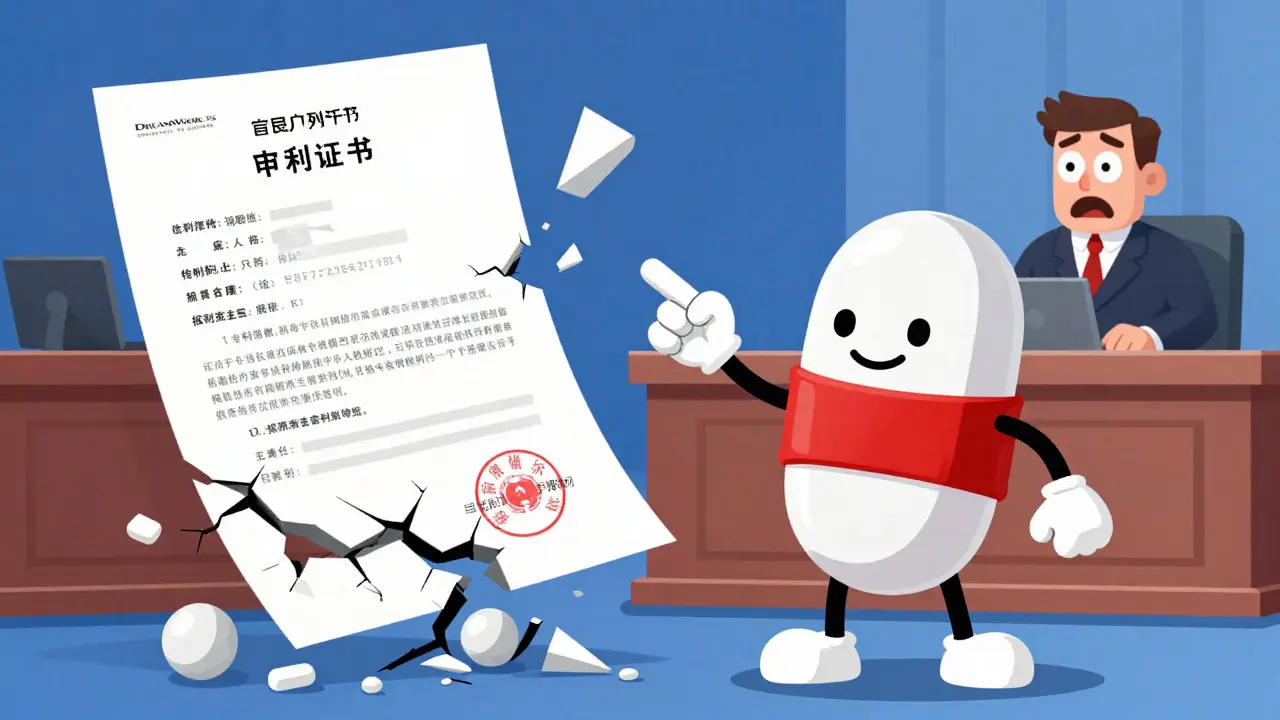
- File a Paragraph IV Certification: Your application must include a Paragraph IV certification. This is a bold legal statement declaring that you believe the brand-name drug's listed patents are invalid, unenforceable, or will not be infringed by your generic product. Essentially, you are telling the brand company, "Your patent won't stop me."
- Avoid Forfeiture: You must actually bring the drug to market within specific timeframes. If you win the right to exclusivity but never launch the product, or if you settle with the brand company in a way that delays entry, you can lose your prize.
The stakes are incredibly high. According to industry data, being the first filer can increase a generic drug's net present value by 200% to 300% compared to subsequent entrants. During the 180-day window, the first generic typically captures 70-80% of the market share. For a blockbuster drug, that translates to hundreds of millions, sometimes billions, of dollars in revenue.
When Does the Clock Start Ticking?
This is where things get tricky-and controversial. The 180-day clock doesn't always start when you think it does. Under current FDA guidance, the exclusivity period begins on whichever date comes first:
- Commercial Marketing: The day the first generic applicant actually starts selling the drug.
- Court Decision: The day a court finds the challenged patent invalid, unenforceable, or not infringed.
That second trigger is the source of much frustration. Imagine this scenario: A generic company files a Paragraph IV challenge. The brand company sues. Two years later, the court rules in favor of the generic company, saying the patent is invalid. At that exact moment, the 180-day clock starts ticking-even if the generic company hasn't received FDA approval yet, let alone started selling.
If the generic company decides to delay launching the product for another year due to supply chain issues or strategic reasons, the 180-day exclusivity runs out while no generic drug is available on the shelf. Meanwhile, other generic competitors are blocked from entering because the exclusivity period is still active. This creates a situation where the brand-name drug remains the only option for consumers, effectively extending its monopoly despite the patent being invalidated. This loophole has been criticized by the Federal Trade Commission (FTC) and consumer advocates as a way to "game" the system.
The "Paper Generic" Problem
You might wonder, why would a company want the clock to run without selling anything? The answer lies in settlement deals. Sometimes, the brand-name company pays the first generic filer a large sum of money to stay out of the market. These are often called "reverse payment settlements" or "pay-for-delay" deals.
In these cases, the generic company gets a guaranteed payout, and the brand company keeps its high prices. The 180-day exclusivity period expires during this standoff, blocking other generic competitors who didn't get paid off. Once the exclusivity ends, multiple generics flood the market, driving prices down-but only after consumers have paid premium prices for months or even years.
The FTC estimates that these practices cost consumers billions annually. To combat this, Congress added forfeiture provisions in the Medicare Modernization Act of 2003. Now, if the first filer fails to market the drug within 30 days of a favorable court decision, or enters into certain types of settlements, they can forfeit their exclusivity rights. However, loopholes remain, and litigation over whether a settlement violates these rules is common.
| Scenario | Trigger Event | Market Impact | Risk to First Filer |
|---|---|---|---|
| Standard Launch | First day of commercial marketing | Immediate price drop; first filer captures majority share | Low (if manufacturing is ready) |
| Court Win Delay | Favorable court ruling (before launch) | Exclusivity burns while no generic is sold; brand retains monopoly temporarily | Medium (risk of forfeiture if too delayed) |
| Reverse Payment Settlement | Settlement agreement signed | Entry delayed; exclusivity may be forfeited depending on terms | High (potential loss of exclusivity and antitrust scrutiny) |
Recent Reforms: Closing the Loopholes
The FDA and lawmakers have recognized these flaws. In 2022, the FDA proposed significant reforms to the 180-day exclusivity framework. The core idea is simple: tie the exclusivity period strictly to actual market entry. Under the proposed changes, the 180-day clock would only start when the first applicant begins commercial marketing. If they don't launch, the clock doesn't start, and other applicants can proceed.
This change aims to eliminate the "paper generic" strategy where companies use exclusivity as a bargaining chip rather than a tool for patient access. Additionally, the FDA has expanded the Competitive Generic Therapy (CGT) program, which offers similar incentives for drugs that lack adequate competition, regardless of patent status. This ensures that even if the patent dance stalls, patients still get access to affordable options.
Industry reactions are mixed. Large generic manufacturers worry about the uncertainty of new rules, while brand-name companies argue that disrupting the Hatch-Waxman balance could reduce innovation incentives. However, most experts agree that accelerating generic entry benefits public health and reduces healthcare costs.
Strategic Considerations for Generic Developers
If you are a generic developer considering a Paragraph IV challenge, here are practical steps to navigate the landscape:
- Timing is Everything: File your ANDA as early as possible. Being even one day late can mean losing the first-filer status. Monitor the FDA's Orange Book daily for patent listings and expiration dates.
- Prepare for Litigation: Budget for 18-24 months of legal battles. Have strong patent counsel ready to defend your Paragraph IV certification. The cost can range from $5 million to $10 million or more.
- Plan Your Launch: Ensure your manufacturing and supply chain are ready to go live immediately upon approval. Delays can lead to forfeiture or wasted exclusivity.
- Watch for Settlements: Be cautious of settlement offers from brand companies. Ensure any agreement complies with FTC guidelines to avoid antitrust penalties and forfeiture of exclusivity.
The 180-day exclusivity provision remains a powerful tool in the pharmaceutical arsenal. While it has its flaws, it continues to drive competition and lower drug prices. As regulations evolve, staying informed and agile will be key to leveraging this opportunity effectively.
What is the purpose of 180-day exclusivity?
The purpose is to incentivize generic drug manufacturers to challenge the patents of brand-name drugs. By granting the first successful challenger a temporary monopoly, the government encourages faster entry of lower-cost generic alternatives, benefiting patients and reducing healthcare costs.
Who qualifies for 180-day exclusivity?
Only the first applicant to file a substantially complete Abbreviated New Drug Application (ANDA) with a Paragraph IV certification challenging a listed patent qualifies. They must also successfully navigate patent litigation or wait for patent expiration and launch the product within specified timeframes to avoid forfeiture.
Can multiple companies share 180-day exclusivity?
Yes. If multiple companies file their ANDAs with Paragraph IV certifications on the same day, they can agree to share the 180-day exclusivity period. This is common in high-stakes drug markets where several firms compete simultaneously.
What happens if the first filer never launches the drug?
Under current rules, if the first filer receives a favorable court decision but delays marketing, the 180-day clock may still start, potentially blocking other generics without providing actual competition. Proposed reforms aim to tie the start of the clock strictly to commercial marketing to prevent this.
How does 180-day exclusivity differ from CGT exclusivity?
180-day exclusivity is tied to patent challenges (Paragraph IV). CGT (Competitive Generic Therapy) exclusivity applies to drugs lacking adequate competition, regardless of patent status. CGT exclusivity is triggered by first commercial marketing and runs without interruption, addressing some loopholes in the traditional system.