
Digoxin Dose Adjustment Estimator
Recommended Adjustment
-
Enter dose and profile to see the recommended adjustment and monitoring timeline.
⚠️ MEDICAL DISCLAIMER: This tool is for educational purposes only. Dosage adjustments must be performed by a licensed healthcare provider. Always verify with current clinical guidelines and the patient's specific medical history.
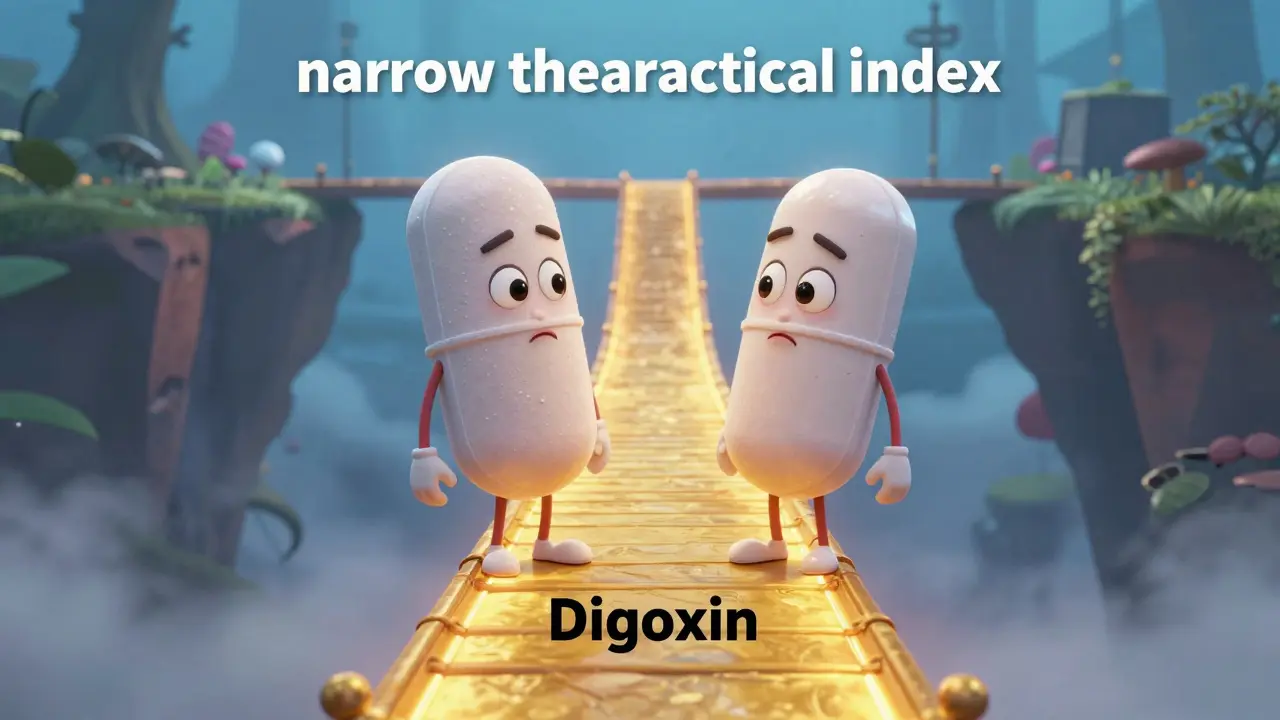
Mixing two powerful heart medications can sometimes lead to a dangerous chemical cocktail in the bloodstream. When you combine Digoxin is a cardiac glycoside used primarily to treat heart failure and atrial fibrillation with Amiodarone, a potent antiarrhythmic, the risk isn't just a side effect-it's a potential medical emergency. Both of these drugs have what pharmacists call a narrow therapeutic index, meaning the window between a dose that helps you and a dose that poisons you is incredibly small.
If you or a loved one are starting Amiodarone while already taking Digoxin, the stakes are high. Failing to adjust the dosage can lead to a spike in blood levels that causes everything from nausea to life-threatening heart rhythms. The good news is that this interaction is predictable and manageable if you know exactly what to look for and when to act.
Why These Two Drugs Clash
The problem isn't that these drugs fight each other, but that Amiodarone essentially blocks the exit door for Digoxin. To understand this, we have to look at P-glycoprotein, a transport protein that acts like a pump, pushing Digoxin out of your cells and into the kidneys and gut to be eliminated from the body.
Amiodarone is a powerful inhibitor of this pump. When Amiodarone shuts down P-glycoprotein, Digoxin stops leaving the body at the normal rate. This leads to a backup in the system. Research has shown that adding Amiodarone can cause serum Digoxin levels to jump significantly-sometimes doubling from a safe range of 0.5-0.9 ng/mL to nearly 2.0 ng/mL. It also slows down the body's total clearance of the drug by about 29%, meaning the medication lingers in your system much longer than intended.
Spotting the Warning Signs of Digoxin Toxicity
Because Digoxin levels can creep up slowly, you might not notice the problem until it's serious. Toxicity doesn't always look like a heart problem at first. Often, it starts with gastrointestinal distress or strange visual changes.
- Digestive Issues: Sudden nausea, vomiting, or a complete loss of appetite.
- Visual Disturbances: Seeing halos around lights or experiencing a yellowish-green tint to your vision (xanthopsia).
- Neurological Changes: Confusion, extreme fatigue, or dizziness.
- Cardiac Red Flags: An unusually slow heart rate (bradycardia) or irregular skipped beats.
In severe cases, this interaction can lead to hyperkalemia (dangerously high potassium levels) and life-threatening arrhythmias. For elderly patients or those with kidney disease, these risks are amplified because their bodies already struggle to clear medications.

The Golden Rule for Dose Adjustment
You can't just "wait and see" with these medications. Clinical guidelines from the American Heart Association and the European Heart Rhythm Association are clear: you must reduce the Digoxin dose before or immediately upon starting Amiodarone.
| Patient Profile | Recommended Dose Reduction | Monitoring Frequency |
|---|---|---|
| General Adult (Normal Kidney Function) | Reduce dose by 50% | Check levels at 72 hours |
| Elderly or Renal Impairment (CrCl <50 mL/min) | Reduce dose by 67% (keep only 33%) | Check levels at 24, 72, and 168 hours |
Why the 50% cut? Because the data shows that Amiodarone typically increases Digoxin serum levels by roughly 100%. By cutting the dose in half, you're essentially offsetting the blocked exit pump to keep the blood concentration steady.
Timing the Monitoring: When to Check Blood Levels
One of the biggest mistakes clinicians make is checking blood levels too early. The interaction between these two drugs doesn't happen instantly. While you should reduce the dose immediately, the maximum increase in Digoxin levels usually peaks about 1 to 2 weeks after starting Amiodarone.
A safe monitoring protocol generally looks like this:
- Baseline: Test Digoxin levels immediately before the first dose of Amiodarone.
- Initial Check: Test again 72 hours after the first Amiodarone dose to catch any rapid spikes.
- Peak Check: Re-test at the two-week mark to ensure the levels haven't climbed into the toxic zone as the interaction reaches its maximum effect.
If you're managing this at home, keep a log of your heart rate. A resting pulse that starts dropping significantly below your usual baseline is a signal to call your cardiologist immediately.

The Long Tail: What Happens When You Stop?
Here is the part that catches many people off guard: Amiodarone has an incredibly long half-life, sometimes ranging from 25 to 100 days. This means that even after you stop taking the pills, the drug stays in your tissues for months.
The interaction doesn't vanish the moment you stop the medication. The active metabolite, desethylamiodarone, continues to inhibit the P-glycoprotein pump for weeks. If you increase your Digoxin dose too quickly after stopping Amiodarone, you could accidentally trigger toxicity because the "exit doors" haven't fully reopened yet.
Alternatives and Modern Strategies
Given the risks, many doctors are moving away from using Digoxin for rate control in patients who need Amiodarone. Newer guidelines suggest using Beta-blockers or non-dihydropyridine calcium channel blockers as a safer first-line option. These alternatives don't share the same narrow therapeutic index dangers and don't interfere with the body's efflux pumps in the same way.
However, for specific heart failure patients, Digoxin remains a vital tool. In those cases, pharmacist-led intervention protocols have proven highly effective, reducing toxicity events from over 12% down to about 2% by mandating strict dose reductions and scheduled blood monitoring.
Why does Amiodarone increase Digoxin levels?
Amiodarone blocks P-glycoprotein, a protein that acts as a pump to remove Digoxin from the body. When this pump is inhibited, Digoxin builds up in the bloodstream, which can lead to toxicity.
What is the safe therapeutic range for Digoxin?
For most patients, especially those managing atrial fibrillation, the target therapeutic range is between 0.5 and 0.9 ng/mL. Levels above this range significantly increase the risk of toxicity.
How soon after starting Amiodarone should I check my Digoxin levels?
You should have a baseline check before starting and a follow-up test roughly 72 hours after the first dose. Because the interaction peaks later, another check at 1-2 weeks is highly recommended.
Can I just take a lower dose of Digoxin and skip the blood tests?
No. Because Digoxin has a narrow therapeutic index, even a small error in dosing can be dangerous. Blood tests are the only way to confirm you are in the safe zone and not approaching toxicity.
Does this interaction happen with other drugs?
Yes, other drugs like Quinidine also interact with Digoxin, but the Amiodarone interaction is often more complex because it affects both renal and non-renal clearance pathways.




One comment
Definitely keep an eye on those vision changes. I've seen patients ignore the 'yellow tint' until they're practically in toxicity overdrive, so if things look weird, get to the clinic fast.
Oh please, as if a simple 50% dose cut solves everything! The sheer audacity of acting like these numbers are universal is just wild. It's absolutely terrifying how people just trust a table and ignore the chaos of individual biology! Total madness!
This info is total gold, really helps clear the fog on why these two don't play nice together. Super helpful stuff!
The reductionist approach to P-glycoprotein inhibition here is quaint, yet fundamentally simplistic. One must consider the pharmacokinetic synergy and the potential for idiosyncratic metabolic diversion that a basic dose-halving strategy utterly fails to encapsulate. It's a superficial analysis of a complex biochemical interplay that only a novice would find sufficient for clinical application.
I think we should all try to be a bit more patient with the medical community because they are doing their best in a very difficult world, though I must admit that the lack of communication regarding drug interactions is sometimes just aggressively negligent and makes me want to scream into a pillow while simultaneously trying to promote a global culture of understanding and empathy for all parties involved.
Western medicine is just a series of patches. Real healing comes from the roots, not from adjusting chemical doses in a lab. Pathetic.
Just a chill reminder that your doctor knows best. Dont mess with your doses without talking to them first.
It is so incredibly important to remember that you aren't alone in this journey, and while the prospect of toxicity is scary, focusing on the fact that these interactions are predictable means we can handle them with grace and support, and I truly believe that with a little patience and a lot of communication with your care team, you can get through this safely and come out stronger on the other side of your treatment plan.
The moral bankruptcy of the pharmaceutical industry is on full display when we have to write guides just to keep people from accidentally poisoning themselves. It is a tragedy of the highest order that our biological existence is now tethered to a narrow therapeutic index, a fragile thread of chemistry that could snap at any moment because some corporate entity decided this was the 'standard of care'. Truly, we are living in a pharmacological dystopia where the cure is just as precarious as the disease.
Thank you for sharing this information.
People just don't listen to their bodies. If you feel off, it's because your spirit is rejecting the chemicals. Simple as that.
Love the way this is broken down! It's like a puzzle for the heart and once you have the pieces, it all makes sense 🧩✨ Stay safe everyone! ❤️
The mentioned P-glycoprotein inhibition is well-documented, yet the specific volumetric clearance rates in patients with stage 3 chronic kidney disease remain an area requiring more granular data.