You take your morning medication without thinking twice about it. You trust that the benefits outweigh the risks. But what happens when new information emerges after a drug has been on the market for years? This is where FDA Drug Safety Communications come into play. These are official alerts from the U.S. Food and Drug Administration designed to update healthcare professionals and patients about new safety concerns regarding approved medications.
These communications aren't just warnings; they are critical updates that can change how you prescribe, dispense, or take a medication. Understanding them helps you stay safe and informed. Let's break down exactly what these communications are, why they matter, and how they impact your health decisions.
The Core Purpose of Drug Safety Communications
A Drug Safety Communication (DSC) is an official notification issued by the FDA’s Center for Drug Evaluation and Research (CDER). Its primary goal is to inform the public and healthcare providers about significant new safety information related to prescription drugs and over-the-counter medications. This information often changes the benefit-risk analysis of a drug, meaning the potential harms might now outweigh the benefits for certain groups of people.
Think of it this way: clinical trials before a drug is approved involve thousands of patients over a few years. Once the drug is on the market, millions of people use it for decades. Rare side effects or long-term risks only become visible in this larger, real-world population. DSCs bridge the gap between initial approval and lifelong usage data.
The legal foundation for these powerful tools comes from the Food and Drug Administration Amendments Act (FDAAA), signed into law in 2007. This act gave the FDA enhanced authority to monitor drug safety after marketing, including the power to require Risk Evaluation and Mitigation Strategies (REMS) and mandate post-market studies.
How the FDA Identifies Safety Signals
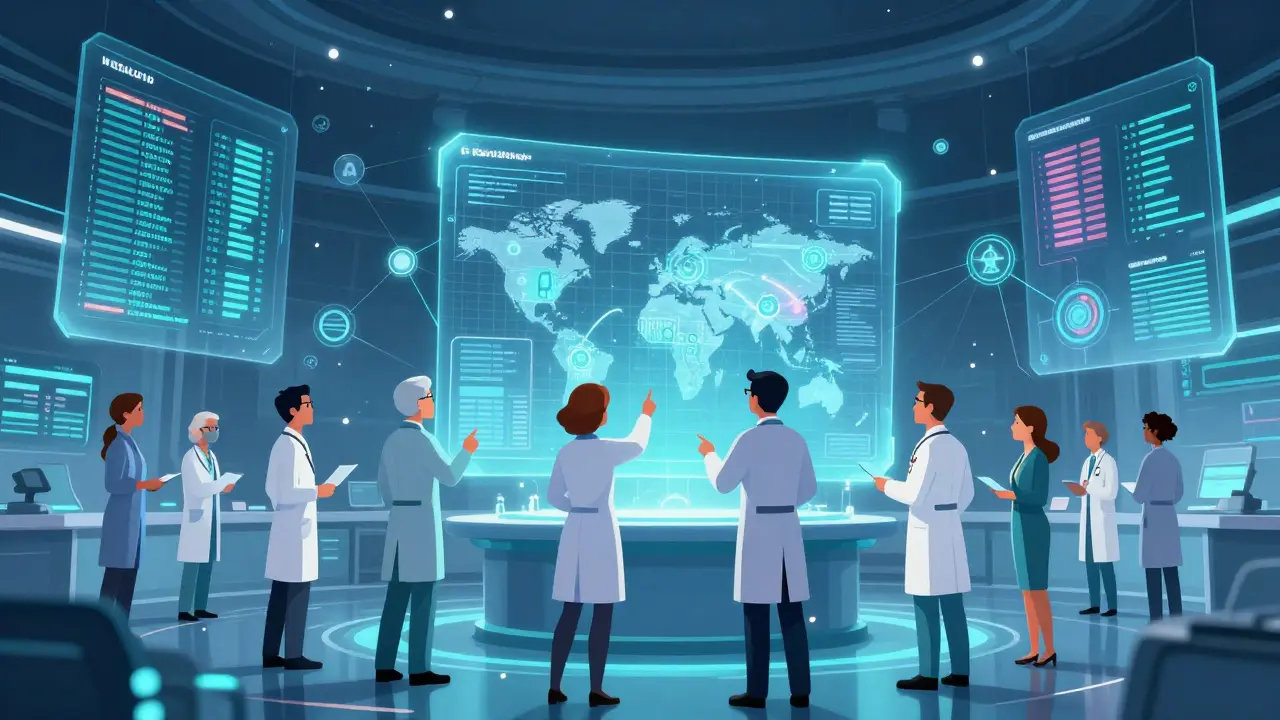
Where does the information in a DSC come from? It doesn't appear out of thin air. The FDA uses sophisticated systems to detect "signals"-clues that a drug might be causing harm.
- Adverse Event Reports: Healthcare providers and patients report side effects through the MedWatch program.
- Clinical Trial Data: Ongoing studies required as part of the approval process.
- Epidemiologic Studies: Large-scale research looking at patterns in patient populations.
- The Sentinel Initiative: This is a massive electronic system that monitors 300 million patient records across 16 data partners. It allows the FDA to actively search for safety signals rather than waiting for reports to come in.
In 2025, the FDA began implementing AI-assisted signal detection. This technology has reduced the median time from identifying a safety signal to issuing a communication from 2.6 years to 1.8 years. Faster detection means faster protection for patients.
What Happens When a DSC Is Issued?
Not every minor side effect triggers a Drug Safety Communication. The CDER classifies issues based on their severity and potential to alter prescribing decisions. When a DSC is released, it typically follows a standardized format to ensure clarity:
- What Safety Concern Is FDA Announcing? A clear statement of the risk (e.g., increased risk of heart failure with a specific diabetes drug).
- Recommendations for Health Care Professionals: Specific actions doctors should take, such as monitoring lab values or avoiding use in certain patients.
- Recommendations for Patients: Plain-language advice for individuals taking the medication.
- Additional Information: Links to detailed scientific data and labeling updates.
These communications can lead to various regulatory actions. In some cases, the FDA may require a manufacturer to update the drug label with new warnings. In more severe cases, it might establish a REMS program, which restricts access to the drug to ensure it is used safely. In rare instances, the drug may be removed from the market entirely.
| Action Type | Description | Example Scenario |
|---|---|---|
| Labeling Update | Adding warnings or contraindications to the drug insert. | Adding a warning about liver damage to a painkiller. |
| REMS Program | Risk Evaluation and Mitigation Strategy requiring special training or certification. | Thalidomide requiring pregnancy prevention protocols. |
| Post-Market Study | Mandating further research to understand a risk. | Studying long-term cardiovascular effects of a new biologic. |
| Market Withdrawal | Removing the drug from sale due to unacceptable risks. | Vioxx withdrawal due to heart attack/stroke risk. |
Real-World Impact on Healthcare Providers
For doctors and pharmacists, staying updated on DSCs is crucial but challenging. The volume of communications has skyrocketed. In 2024, the FDA issued 187 Drug Safety Communications, compared to just 42 in 2008. That is a 345% increase.
This surge leads to "alert fatigue." Many healthcare professionals receive dozens of emails weekly. A 2024 survey found that while 68% of hospital pharmacists check the FDA website weekly, only 42% of community pharmacists do. This gap can leave patients in smaller clinics less protected.
To combat this, major Electronic Health Record (EHR) systems like Epic and Cerner have integrated FDA safety alerts directly into provider workflows. However, a 2024 study noted that only 58% of these systems properly categorize alerts by urgency. This means a critical warning might get buried under routine notifications.
The American College of Physicians recommends that clinicians allocate 15-20 minutes weekly to review new DSCs. Subscribing to the FDA’s email service or RSS feed is one of the most effective ways to stay current. As of early 2025, nearly 148,000 healthcare professionals were subscribed to these direct updates.
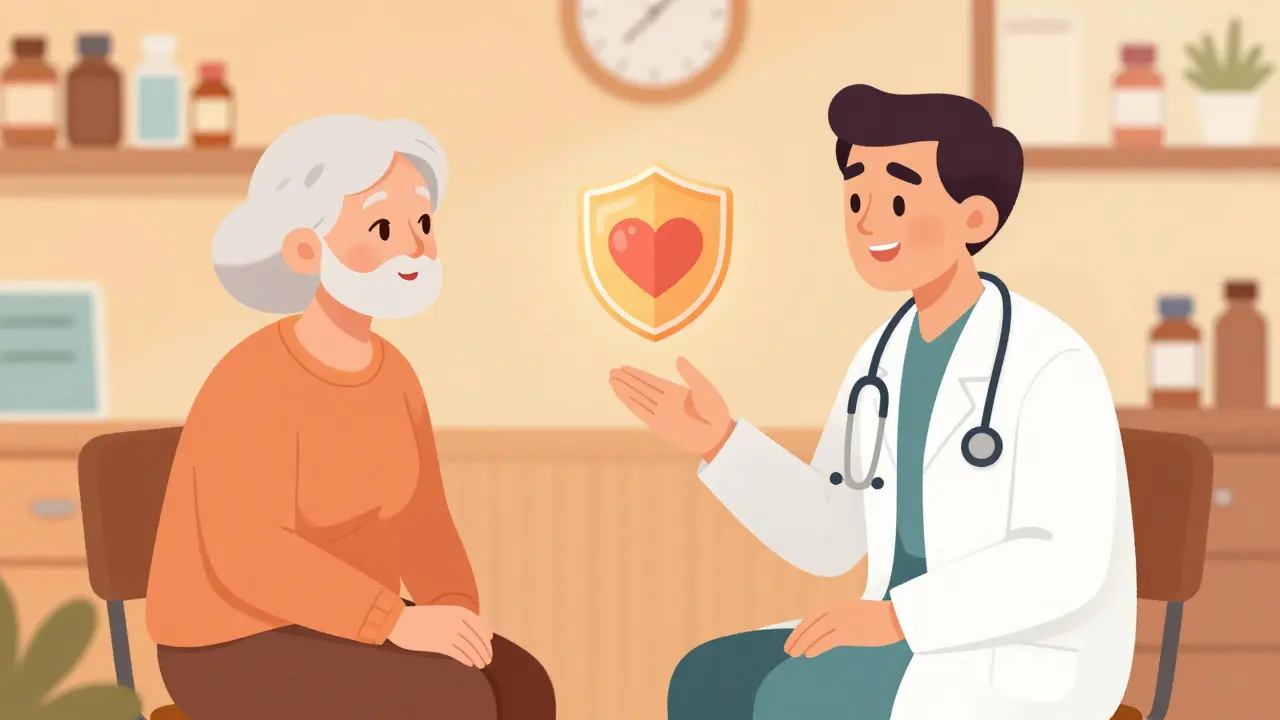
What Patients Need to Know
If you see a headline about an FDA Drug Safety Communication, don't panic. These alerts are proactive measures to keep you safe. Here is how to respond:
- Don’t Stop Medication Abruptly: Suddenly stopping certain drugs can be dangerous. Always consult your doctor first.
- Read the Patient Section: DSCs increasingly include dedicated sections written in plain language. Look for the "Recommendations for Patients" header.
- Talk to Your Provider: Share the information with your doctor or pharmacist. They can help you weigh the risks against the benefits for your specific situation.
- Report Side Effects: If you experience unusual symptoms, report them to the FDA via MedWatch. Your report could help protect others.
Data shows that engagement matters. In a 2022 DSC regarding proton pump inhibitors (PPIs) and the risk of C. difficile infection, 73% of patients discussed the alert with their providers, but only 38% actually changed their medication use. Open dialogue is key to making these communications effective.
The Future of Drug Safety Monitoring
The landscape of drug safety is evolving rapidly. The FDA’s 2025-2027 strategic plan aims to reduce the time between signal identification and public communication by another 25%. This speed is essential as new types of therapies enter the market.
Gene therapies, cell therapies, and AI-driven diagnostic tools present unique safety challenges. Traditional monitoring methods may not catch all risks associated with these complex treatments. The FDA is exploring integration with its emerging AI/ML Software as a Medical Device framework, expected to launch in late 2026. This will enable real-time analysis of safety signals from electronic health records.
Internationally, other agencies are adopting similar models. The European Medicines Agency uses "Article 31 Opinions" for comparable purposes. However, the FDA’s DSC system remains the most comprehensive and frequently updated globally, according to a 2024 WHO analysis.
As pharmacovigilance requirements expand, we can expect more frequent and detailed communications. For patients, this means greater transparency. For providers, it means a continued need for efficient filtering and interpretation of safety data.
Who issues Drug Safety Communications?
The Center for Drug Evaluation and Research (CDER), a branch of the U.S. Food and Drug Administration (FDA), issues these communications. They are responsible for evaluating the safety and efficacy of human drugs.
Do I need to stop taking my medication if there is a DSC?
No. Never stop taking prescribed medication without consulting your healthcare provider. A DSC provides new information to help you and your doctor make an informed decision, but abrupt cessation can sometimes be more harmful than the identified risk.
How are Drug Safety Communications different from black box warnings?
A black box warning is a permanent label change indicating a serious or life-threatening risk. A Drug Safety Communication is a broader alert that may announce a new risk, recommend monitoring, or lead to a label change like a black box warning. Not all DSCs result in black box warnings.
Where can I find past Drug Safety Communications?
The FDA maintains an online repository of all Drug Safety Communications on its official website. You can filter them by date, drug name, or therapeutic area to find specific historical alerts.
Why has the number of DSCs increased so much recently?
The increase is due to enhanced surveillance capabilities like the Sentinel Initiative, stricter post-marketing requirements from the FDAAA, and a growing volume of new complex drugs entering the market. Additionally, the FDA now shares information earlier in the evaluation process.