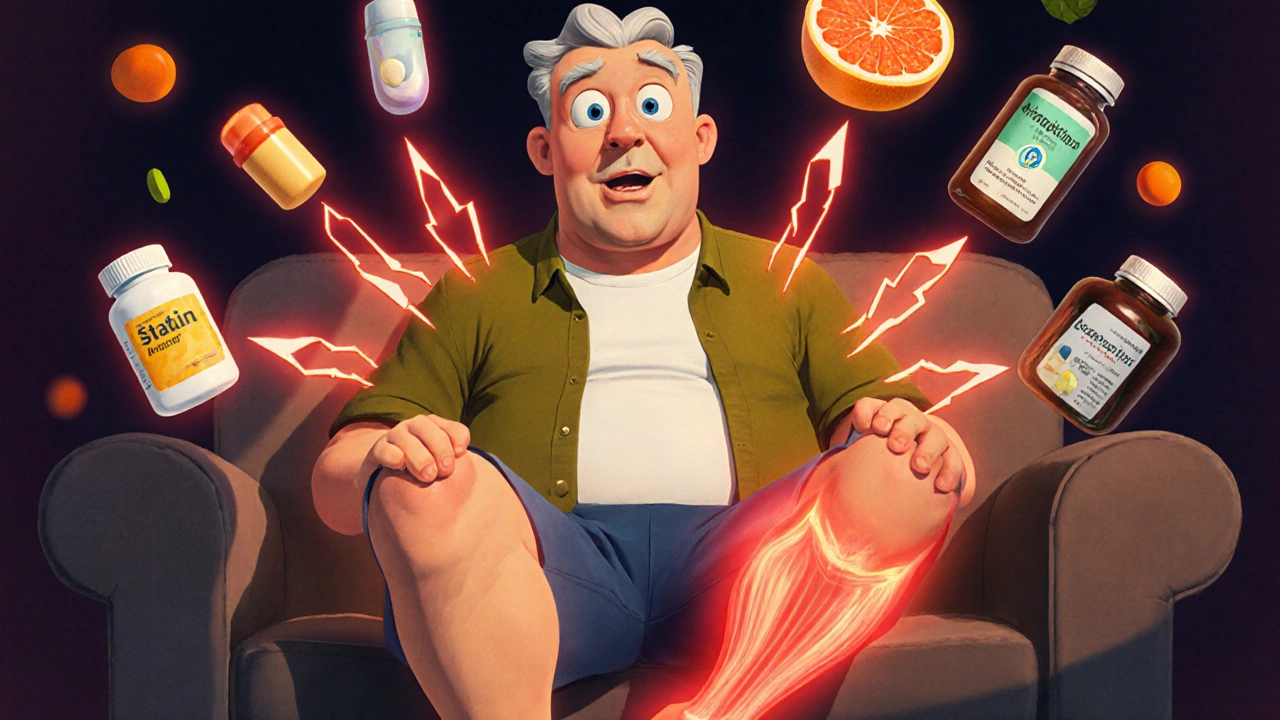
CYP3A4: How This Enzyme Affects Your Medications and What You Need to Know
When you take a pill, your body doesn’t just absorb it and call it a day. It has to process it—break it down, make it safe, and get it out. That’s where CYP3A4, a liver enzyme responsible for metabolizing over half of all prescription drugs. Also known as cytochrome P450 3A4, it’s the silent gatekeeper between your medicine and your bloodstream. If CYP3A4 is working too fast, your drug might not work at all. If it’s slowed down, you could get too much of it—and that’s when side effects turn dangerous.
This enzyme doesn’t work in isolation. It’s affected by what you eat, what else you take, and even your genetics. Grapefruit juice? It shuts down CYP3A4 in your gut, making drugs like statins or blood pressure meds stronger than intended. St. John’s wort? It flips the enzyme into overdrive, flushing out antidepressants or birth control before they can do their job. Even some antibiotics and antifungals can mess with it. That’s why your doctor needs to know every supplement, herb, or over-the-counter pill you’re using. It’s not just about avoiding bad reactions—it’s about making sure your meds actually work.
And it’s not just about what you take. Some people naturally have more or less CYP3A4 activity because of their genes. That’s why two people on the same dose of the same drug can have totally different results. One might feel great. The other might feel sick. This is why personalized medicine isn’t just a buzzword—it’s a necessity. If you’re on long-term meds for cholesterol, depression, high blood pressure, or even erectile dysfunction, chances are CYP3A4 is handling them. And if you’re taking more than one, you’re playing a high-stakes game of chemical dominoes.
Below, you’ll find real-world examples of how CYP3A4 shows up in everyday medications—from the blood pressure pills you take daily to the weight-loss drugs you might consider. You’ll see how it interacts with antidepressants, beta-blockers, and even hormone therapies. You’ll learn which drugs are most likely to cause trouble when mixed, and how to spot the warning signs before they become emergencies. This isn’t theory. It’s what’s happening in your body right now, every time you swallow a pill.