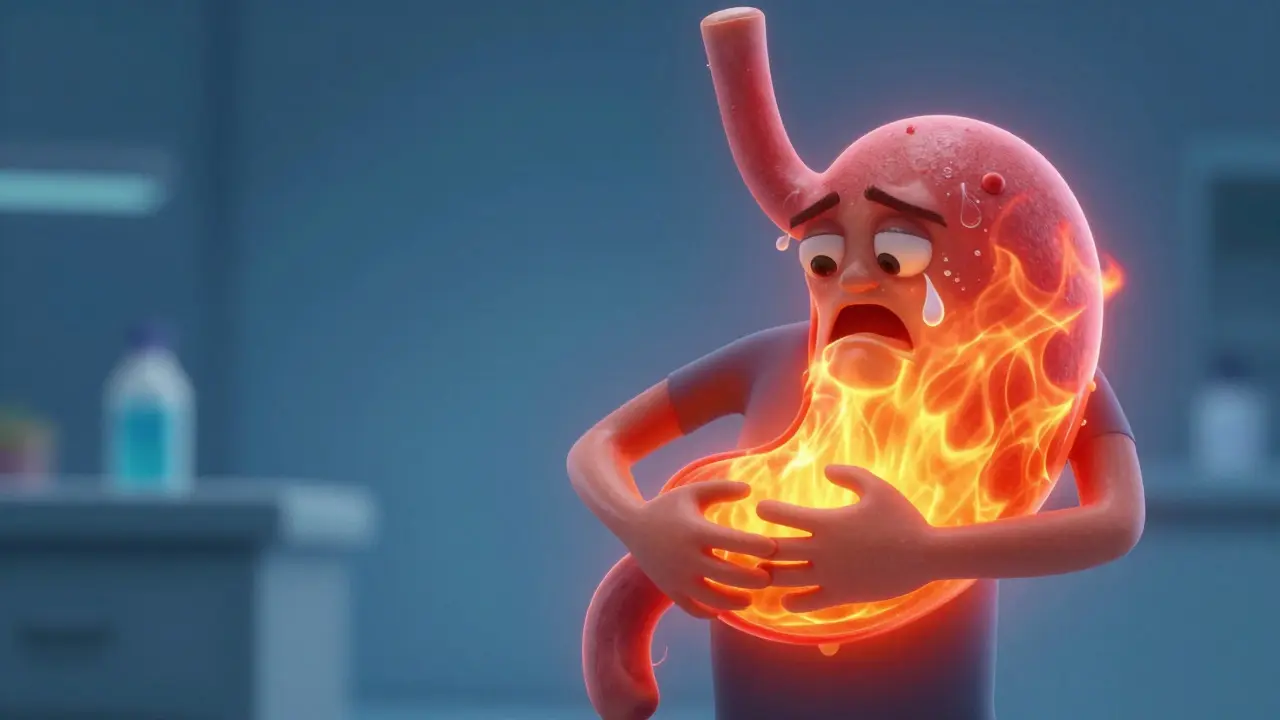
Heartburn is annoying. It burns, it disrupts sleep, and it makes eating a chore rather than a pleasure. So when a doctor prescribes a Proton Pump Inhibitor (PPI) that actually works, you take it. You might even keep taking it for years because it keeps the fire out. But here is the uncomfortable truth: those same pills that save your esophagus from acid damage can quietly introduce other health problems if used too long without oversight.
PPIs are among the most prescribed drugs in history. They block the final step of stomach acid production. For severe acid reflux or ulcers, they are lifesavers. But up to 70% of people taking them don’t strictly need them anymore. The question isn't just whether PPIs work-they do-it’s whether the long-term benefits still outweigh the hidden costs for your specific body.
How PPIs Work and Why We Overuse Them
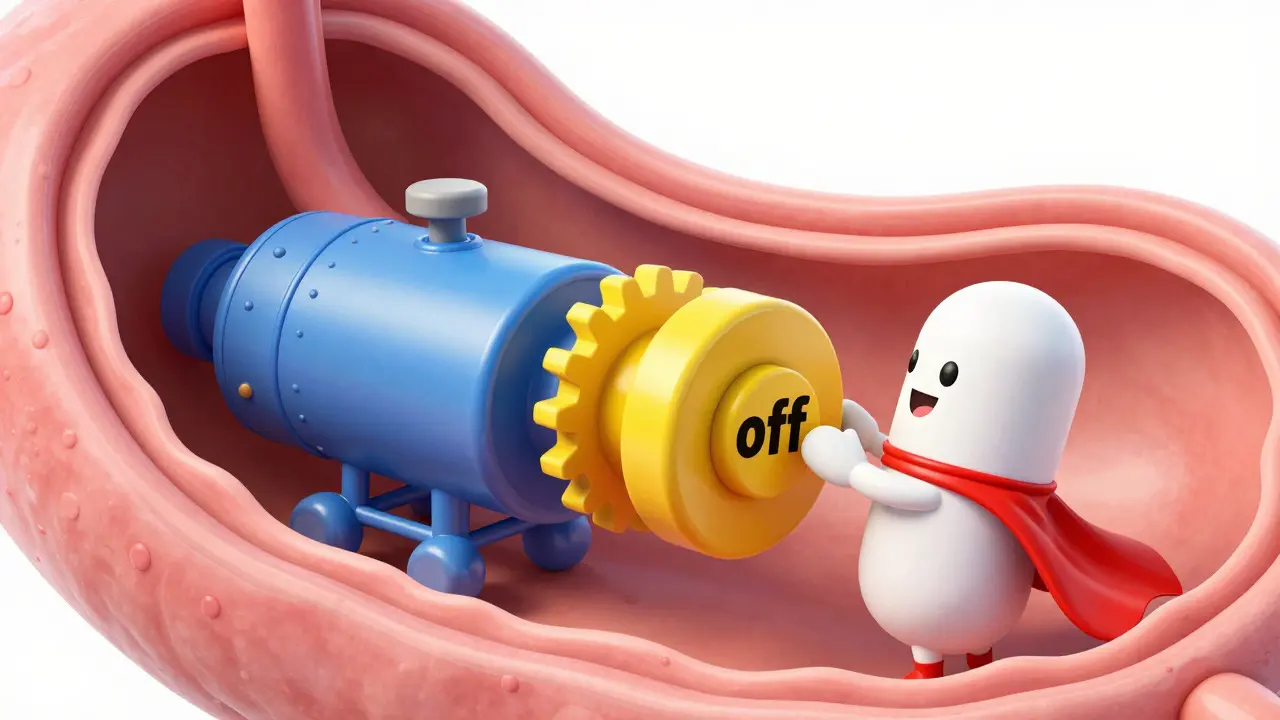
To understand the risk, you have to understand the mechanism. PPIs like omeprazole (Prilosec), esomeprazole (Nexium), and pantoprazole (Protonix) target the proton pumps in your stomach lining. These pumps are essentially tiny engines that spit acid into your stomach. PPIs jam these engines shut. Because the effect is irreversible for those specific cells, your body has to grow new cells to produce acid again. This takes time, which is why PPIs aren't instant fixes; they take days to reach full effect.
The problem arises from their effectiveness. They are so good at stopping acid that patients often forget to stop taking them once the initial injury heals. According to data from the American College of Gastroenterology (ACG), many patients continue daily use indefinitely for conditions that only required short-term treatment. The FDA warns that over-the-counter PPIs should be limited to 14-day courses, no more than three times a year. Yet, millions ignore this, treating heartburn relief as a permanent lifestyle accessory.
The Real Long-Term Health Risks
When you suppress stomach acid chronically, you change the environment of your entire digestive system. Acid isn't just for digesting food; it's a barrier against bacteria and a key to unlocking nutrients. Removing that barrier creates side effects that range from mild deficiencies to serious structural issues.
- Bone Fractures: This is one of the most well-documented risks. Stomach acid helps absorb calcium. Without it, bone density can drop. A 2017 study showed that using PPIs for four to eight years increased the risk of hip fractures by roughly 40-55%. The scary part? This risk reverses if you stop the medication, but the break happens before you know you're weak.
- Vitamin B12 Deficiency: Acid is needed to separate vitamin B12 from food proteins so your body can absorb it. After two years of continuous PPI use, an estimated 10-15% of users develop low B12 levels. This leads to fatigue, nerve damage, and memory issues that mimic aging.
- Magnesium Depletion (Hypomagnesemia): Though rare (affecting about 1% of users), low magnesium can be dangerous. It causes muscle cramps, irregular heartbeats, and seizures. The FDA updated its warnings in 2022 specifically to highlight this, recommending blood tests for anyone on PPIs longer than a year.
- C. Difficile Infection: Your stomach acid kills bad bacteria you swallow. Less acid means more pathogens survive to reach your intestines. PPI users face a 1.7 to 2.0 times higher risk of Clostridioides difficile infection, a severe diarrheal illness that can destroy the colon lining.
- Kidney Issues: There is evidence linking long-term PPI use to acute interstitial nephritis, an inflammation of the kidney tubules. While not every user gets chronic kidney disease, the association is strong enough that nephrologists now watch PPI usage closely.
What about dementia? You’ve likely seen headlines claiming PPIs cause Alzheimer's. Here is the nuance: early observational studies suggested a link, but higher-quality research has largely debunked it. As Dr. William Ravich of Yale Medicine noted, many earlier studies confused correlation with causation. People with existing cognitive decline were often already on PPIs for other reasons. Current consensus suggests the dementia risk is likely negligible compared to the proven risks listed above.
Why Stopping Is Harder Than Starting
If you decide to quit, you cannot just throw the bottle away. That is the biggest mistake people make. Your stomach has adapted to the lack of acid demand. When you suddenly remove the PPI, your remaining proton pumps go into overdrive. This is called rebound acid hypersecretion.
In 40% to 80% of patients, stopping abruptly causes symptoms worse than what they had before starting the drug. This surge of acid tricks you into thinking you still need the PPI, creating a cycle of dependency that isn't addiction in the chemical sense, but physiological dependence. This phenomenon is why "drug holidays" and structured tapering are essential.
A Step-by-Step Guide to Stopping Safely
Do not attempt this alone if you have severe esophagitis or Barrett's esophagus. For most others, the goal is to find the lowest effective dose or eliminate the need entirely. Here is the protocol recommended by gastroenterologists:
- Consult Your Doctor First: Confirm you don't have a condition requiring lifelong suppression, like Zollinger-Ellison syndrome or severe erosive esophagitis.
- Switch to On-Demand Use: Instead of taking a pill every morning, take it only when symptoms appear. This breaks the daily habit and reduces total exposure.
- Taper the Dose: If you are on 40mg, drop to 20mg for two weeks. Then switch to every other day for two weeks. Then try skipping days.
- Add an H2 Blocker: During the taper, use an H2 blocker like famotidine (Pepcid). It works differently and doesn't cause the same rebound effect. It acts as a bridge while your stomach readjusts.
- Manage Lifestyle Triggers: This is non-negotiable. If you stop the pill but keep eating spicy food late at night, you will fail. Elevate the head of your bed, lose weight if necessary, and avoid caffeine and alcohol during the transition.
| Feature | PPIs (Omeprazole, Nexium) | H2 Blockers (Famotidine) | Antacids (Tums, Rolaids) |
|---|---|---|---|
| Onset of Action | Slow (1-4 days for full effect) | Moderate (30-60 mins) | Immediate |
| Duration | Long (up to 24 hours) | Medium (6-12 hours) | Short (30-60 mins) |
| Rebound Risk | High upon abrupt stop | Low/Moderate | None |
| Best For | Healing tissue, severe GERD | Maintenance, mild-moderate reflux | Occasional, situational heartburn |

Who Should Never Stop?
Not everyone needs to deprescribe. Some patients have legitimate, life-long indications for PPI therapy. You should likely stay on them if you have:
- Barrett's Esophagus: A pre-cancerous change in the esophageal lining caused by chronic acid exposure. Stopping acid suppression increases cancer risk here.
- Severe Erosive Esophagitis: If endoscopy shows deep tears or bleeding in the esophagus, PPIs are the only way to heal the tissue effectively.
- History of GI Bleeding: Patients who have bled from ulcers often require maintenance therapy to prevent recurrence, especially if they also take blood thinners or NSAIDs.
- Zollinger-Ellison Syndrome: A rare tumor that causes massive acid overproduction.
For these groups, the risk of stopping outweighs the risk of long-term use. However, even these patients should be monitored annually for bone density and vitamin levels.
Frequently Asked Questions
Can I stop taking my PPI cold turkey?
It is generally not recommended. Stopping abruptly after long-term use often triggers rebound acid hypersecretion, causing symptoms to return worse than before. A gradual taper, possibly switching to an H2 blocker like famotidine first, is the safest approach to minimize discomfort.
Do PPIs cause dementia?
Current high-quality evidence does not support a direct causal link between PPIs and dementia. Early studies suggested a connection, but later research indicated that patients with early cognitive decline were simply more likely to be prescribed PPIs for other reasons. The risk appears to be negligible compared to other confirmed side effects.
How long is considered "long-term" PPI use?
Most guidelines define long-term use as anything exceeding 8 to 12 weeks for standard GERD or ulcer treatment. If you have been taking a PPI daily for more than a year, you should undergo a review with your gastroenterologist to assess if continued therapy is medically necessary.
What are the signs of low magnesium from PPIs?
Symptoms of hypomagnesemia include muscle cramps, weakness, tremors, anxiety, and irregular heartbeats (arrhythmias). Because these symptoms can be subtle or attributed to other causes, doctors recommend checking magnesium blood levels annually for patients on PPIs for more than one year.
Are there safer alternatives to PPIs?
Yes. For mild to moderate symptoms, H2 blockers like famotidine (Pepcid) are effective and carry fewer long-term risks. Antacids provide immediate but short-term relief. Newer medications called potassium-competitive acid blockers (P-CABs), such as vonoprazan, are emerging as potentially safer alternatives with different mechanisms, though long-term safety data is still being gathered.
Does taking PPIs increase the risk of kidney failure?
There is an established link between PPI use and acute interstitial nephritis, an inflammatory kidney condition. While not all cases progress to chronic kidney disease, the risk is significant enough that kidney specialists advise caution. Regular monitoring of kidney function (eGFR) is recommended for long-term users.
Can lifestyle changes replace PPIs?
For many people with mild GERD, yes. Weight loss, elevating the head of the bed, avoiding meals within three hours of bedtime, and reducing intake of trigger foods (caffeine, alcohol, spicy foods) can significantly reduce acid reflux. These changes are crucial adjuncts when trying to wean off medication.